Northern Africa
Morocco is North Africa's most complete short-haul trip: a three- to four-hour flight from most of Europe lands you in a country that packs Sahara dunes, snow-capped Atlas peaks, Atlantic surf towns, and two of the world's great living medinas into a single itinerary. Marrakech and Fez anchor the culture side, with souks, riads, and tanneries that function as working neighborhoods, not museum pieces; Merzouga and the Erg Chebbi dunes anchor the desert side, reachable by road in a long day from Marrakech via the Atlas passes. This is not a wildlife country, and it doesn't try to be one, its draw is landscape density and cultural depth packed into distances short enough to cover in a 7-10 day loop. Morocco has decades of tourism infrastructure behind it, from budget guesthouses to restored palace riads, and English is workable in tourist areas though French and Arabic still run daily life.
Where is Morocco?
Best time to visit
March to May and September to November are the sweet spots: Marrakech and the desert are warm without being brutal, and the High Atlas trails are clear of the worst snow and the worst heat. Summer (June-August) pushes interior cities like Marrakech and Fez past 38-40 degrees C (100-104 F), while the Sahara becomes genuinely punishing at midday, though desert camps are still run and the coast (Essaouira, Casablanca) stays pleasant thanks to Atlantic breezes. Winter brings snow to the High Atlas, closing or complicating high-altitude routes like the Toubkal summit push, but it's also when Oukaimeden's small ski area opens and when desert nights get properly cold, well below freezing, even though days are mild. Riads and older medina buildings have little or no central heating, so winter city stays can feel colder indoors than the daytime temperature suggests.
High season
Peak months are April, May, September, and October, plus a pronounced spike around Christmas and New Year's when European travelers use the short flight time for a winter-sun break. Marrakech in particular gets booked out and pricier over the New Year period; Easter week is the other major crunch point. Riad and desert camp availability tightens well in advance for these windows, more so than for most African destinations given how many independent, short-stay European travelers book Morocco.
Wildlife is not why people come to Morocco, and the guide won't pretend otherwise: there are no safari parks or big-game circuits here. The one notable exception is the Barbary macaque, found in the cedar forests around Azrou and Ifrane in the Middle Atlas, easily seen on a day trip from Fez. Birdlife along the coast and in pockets of desert oasis is decent for keen birders, but nobody should build a Morocco trip around animal sightings, the country's appeal is entirely cultural and geographic.
Get lost in the Marrakech medina and Jemaa el-Fna
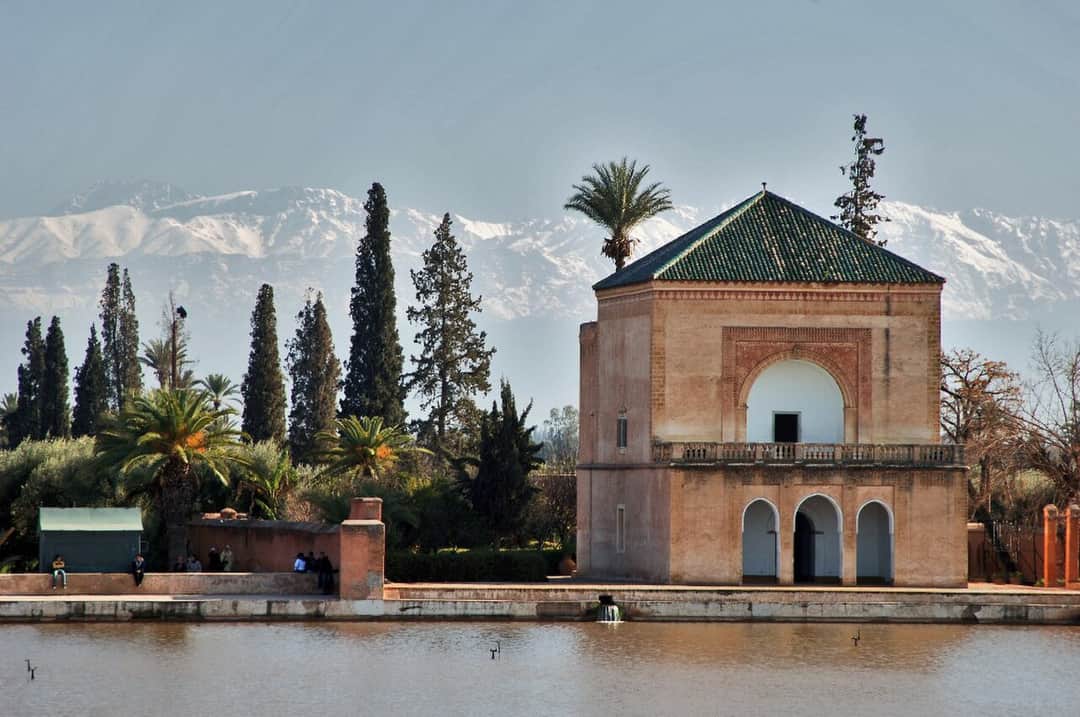
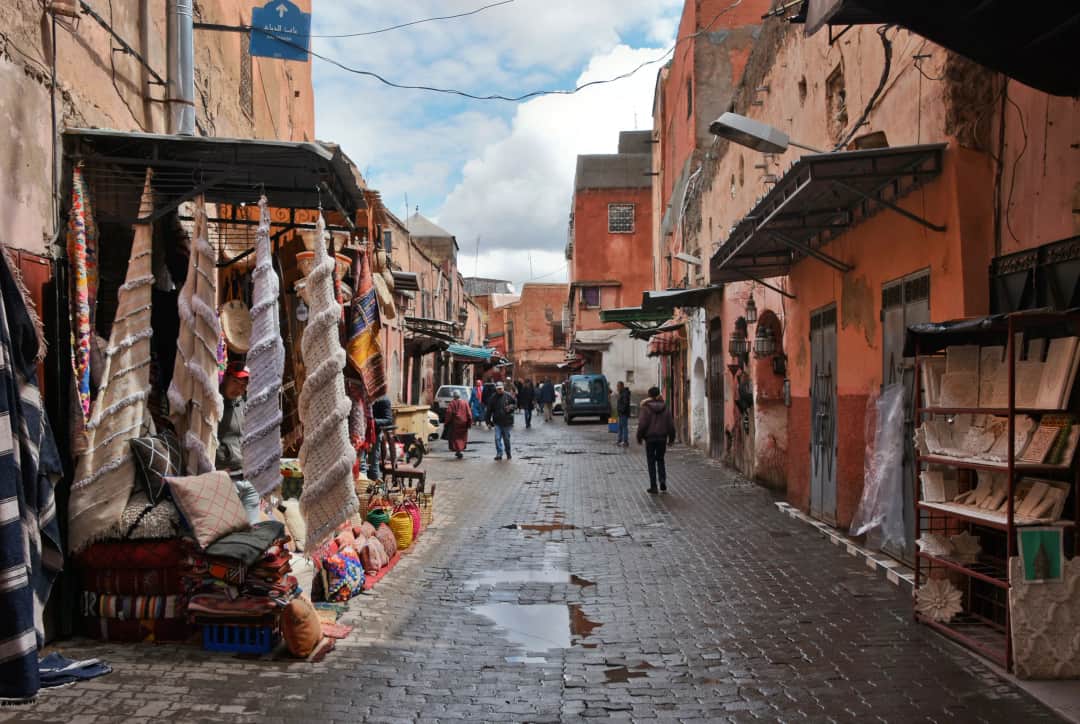
The medina's souks are organized by trade, dyers, metalworkers, leatherworkers, spice sellers, and wandering without a fixed plan is the point. Jemaa el-Fna square shifts character completely between afternoon (juice stalls, snake charmers, henna artists) and night (food stalls, storytellers, musicians), and is worth visiting at both times. Sites like the Bahia Palace and the Majorelle Garden give structured stops between the souk wandering, and a rooftop cafe over the square is the easiest way to take it all in without the hustle at ground level.
Walk Fez el Bali, the world's largest car-free urban area
Fez's old medina has been continuously inhabited for over a thousand years and still functions as a real city, donkeys and handcarts move goods because no vehicles fit through most of the alleys. The Chouara Tannery, with its stone dye pits, is the famous photo stop, but the real value is in the working madrasas, the Al Quaraouiyine area (one of the world's oldest universities), and the fact that Fez feels less commercialized and touristed than Marrakech. Hiring a licensed guide for a first pass is genuinely useful here, the medina's 9,000-plus alleys defeat most visitors' sense of direction fast.
Sahara overnight at Merzouga and the Erg Chebbi dunes
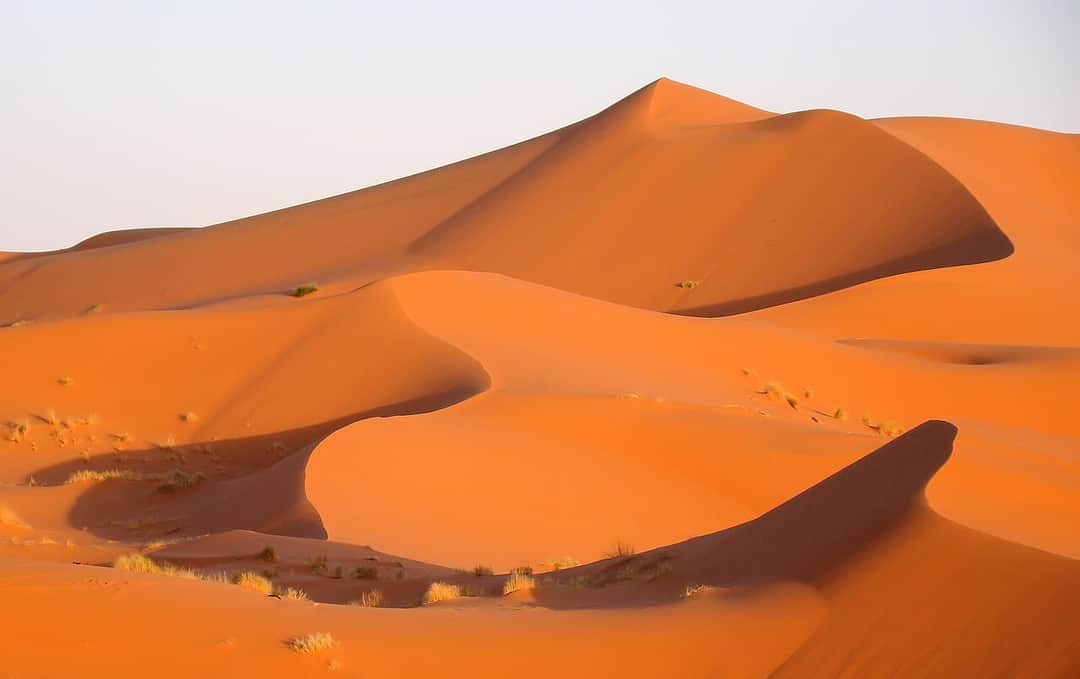
Erg Chebbi's dunes, some over 150 meters high, are the most accessible stretch of true Sahara from Marrakech or Fez, usually reached by a long day's drive or a multi-day route through the Atlas and gorges. The standard experience is a camel trek out to a desert camp for sunset, an overnight under the stars (or in a fixed-roof tent, camps range from simple to quite comfortable), and a sunrise ride back. Zagora, further south and less dramatic dune-wise, is the shorter and less crowded alternative if Merzouga's popularity is a turnoff.
Trek in the High Atlas from Imlil
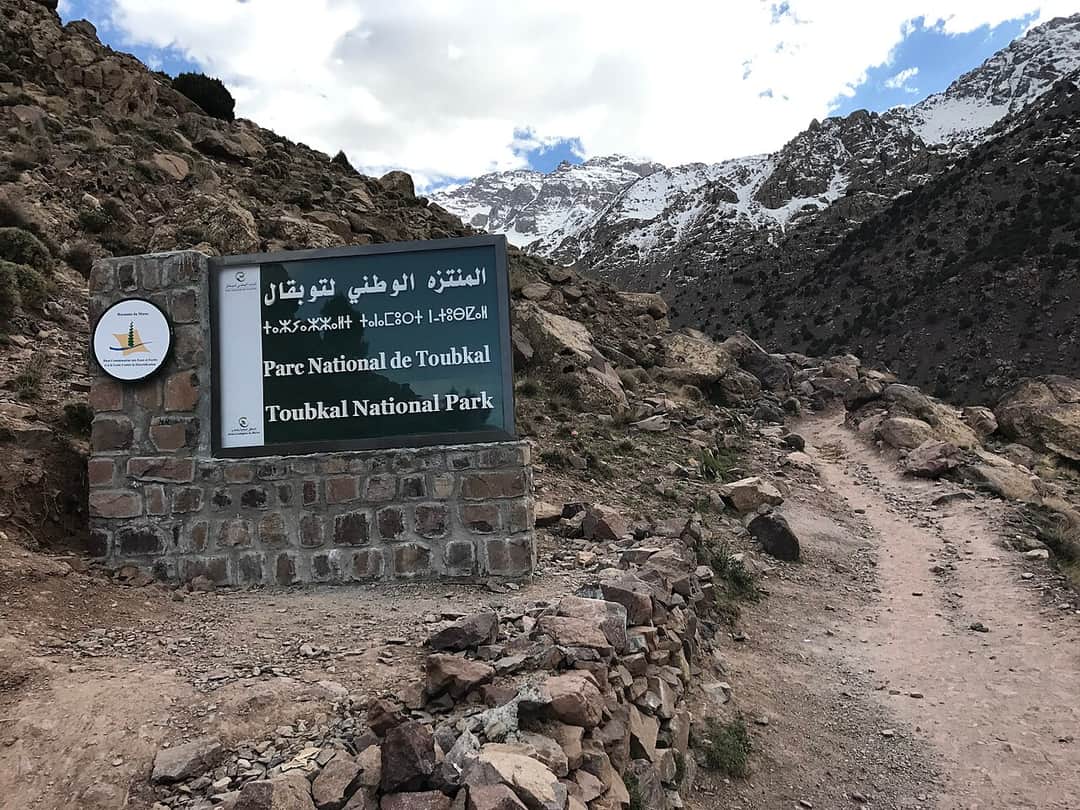
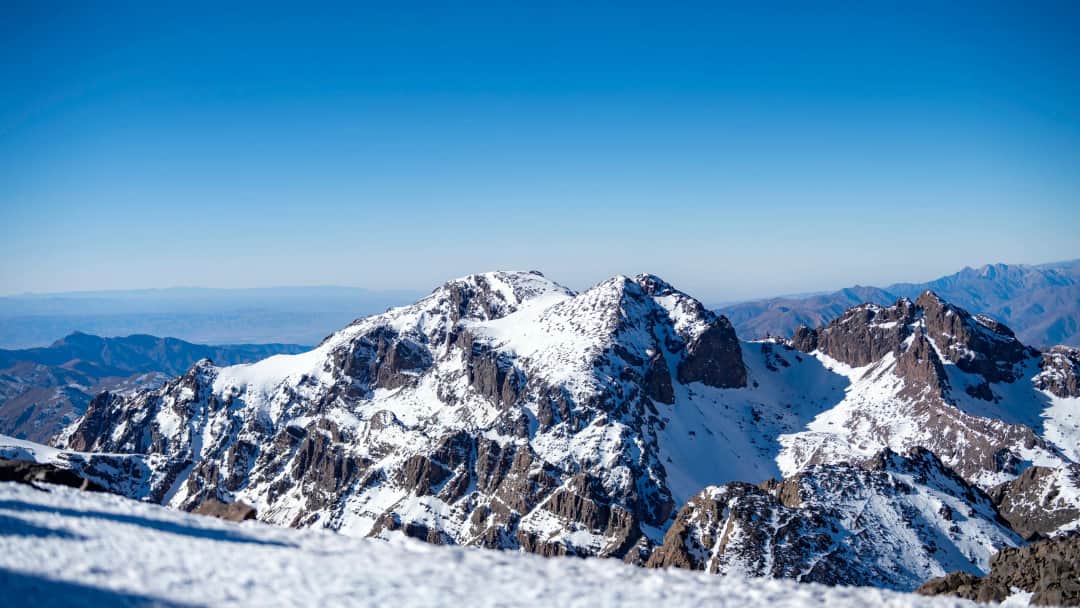
Imlil, about 90 minutes from Marrakech, is the trailhead for Jebel Toubkal, North Africa's highest peak at 4,167 meters, climbable by a fit hiker over two days without technical gear in season. Even a single day trip from Imlil through Berber villages and walnut groves gives a real sense of Atlas mountain life, terraced fields, mudbrick houses, mule trains, that's a world apart from the medinas. Guides and mules are compulsory and easily arranged locally for the Toubkal route, and are strongly advisable for anything beyond a short valley walk.
See Chefchaouen, the blue city of the Rif
Chefchaouen's old town, painted in shades of blue since the 1930s, is one of the most photographed places in Morocco and is genuinely worth the detour despite that. It sits in the Rif Mountains, a few hours from Fez or Tangier, and is small enough to see properly in a day and a half, with a more relaxed, far less hassle-heavy atmosphere than Marrakech's medina. It pairs naturally with a Tangier or northern-route itinerary rather than a Marrakech-Sahara loop.
Slow down on the coast in Essaouira
Essaouira is a walled Atlantic port town with a laid-back medina, strong seafood (grilled sardines straight off fishing boats at the port), and some of the best windsurfing and kitesurfing conditions in North Africa thanks to steady trade winds. It's a common two- or three-night add-on to a Marrakech trip, about 2.5 hours by road, and works well as a decompression stop after the intensity of Marrakech's souks.
Drive the kasbah route: Ait Benhaddou to the Dades and Todra Gorges
The road from Marrakech over the Tizi n'Tichka pass to Ait Benhaddou, a UNESCO-listed fortified kasbah village used in numerous films, then on through the Dades Gorge and Todra Gorge, is one of Morocco's classic multi-day road routes, usually done en route to or from the Sahara. The gorges offer short hikes and dramatic red-rock scenery that's completely different from both the desert and the coast, and the drive itself, switchbacks, palmeries, kasbah ruins, is a highlight in its own right.
Take a proper hammam and stay in a riad
A traditional hammam scrub-and-steam session, either at a simple public bathhouse or a spa-style version in a riad or hotel, is a genuine local ritual worth experiencing rather than a tourist add-on. Riads themselves, courtyard houses built around a central open space, are part of the experience: staying in one in Marrakech or Fez gives a quieter, more atmospheric base than a standard hotel, usually with rooftop terraces and home-cooked breakfasts included.
Ten days is a comfortable minimum for the classic loop: Marrakech, the Atlas, the Sahara, and back, with a couple of nights in each. A week can work if you cut either the desert or a slower mountain stay, and two weeks lets you add Fez, Chefchaouen, or the coast without feeling rushed.
Yes, this is the standard Morocco itinerary and the roads connecting them are well established, usually run as a 3-4 day loop from Marrakech over the Tizi n'Tichka pass to Merzouga and back via the Dades and Todra Gorges. Most travelers do this by private driver or organized tour rather than self-driving, since the mountain roads are demanding and a good driver-guide adds a lot of context along the way.
Morocco is generally safe in terms of violent crime, and millions of tourists, including many solo women, visit without serious incident every year. That said, unwanted attention and persistent hassling in medina areas is a real and commonly reported issue, dressing modestly, walking with confidence, and being firm and direct with vendors and touts goes a long way.
Not strictly, but it helps, especially in Fez, where the medina's alleys are genuinely disorienting even with a map or phone GPS. A guide for the first day or two, arranged through your riad, is inexpensive and saves a lot of frustration, after that most travelers are comfortable wandering on their own.
Most travelers book a multi-day tour or private driver that covers the Marrakech-to-Merzouga route via the Atlas and gorges, camping one night in the dunes before returning by a different road. It's technically possible to do a rushed round trip in under 48 hours, but the drive itself is a highlight, so treating it as a 3-4 day loop rather than a there-and-back dash is worth it.
The Atlantic coast, Essaouira in particular, is better suited to windsurfing, kitesurfing, and a relaxed seaside town atmosphere than to classic swimming-beach holidays, the water is cooler and the wind is often strong. If a beach-focused trip is the priority, Morocco works best as an add-on to a culture-and-desert itinerary rather than the main event.
Modest, loose-fitting clothing that covers shoulders and knees is the practical default in cities and medinas, for both men and women, and it also happens to be more comfortable in the heat. In beach towns like Essaouira and in international hotels, norms relax considerably; layering matters everywhere given the swing between hot days and cold desert or mountain nights.
Country
Morocco
Take it with you
Everything on this page in one document you can keep, print, or send to whoever you are travelling with. No email required.