Eastern Africa
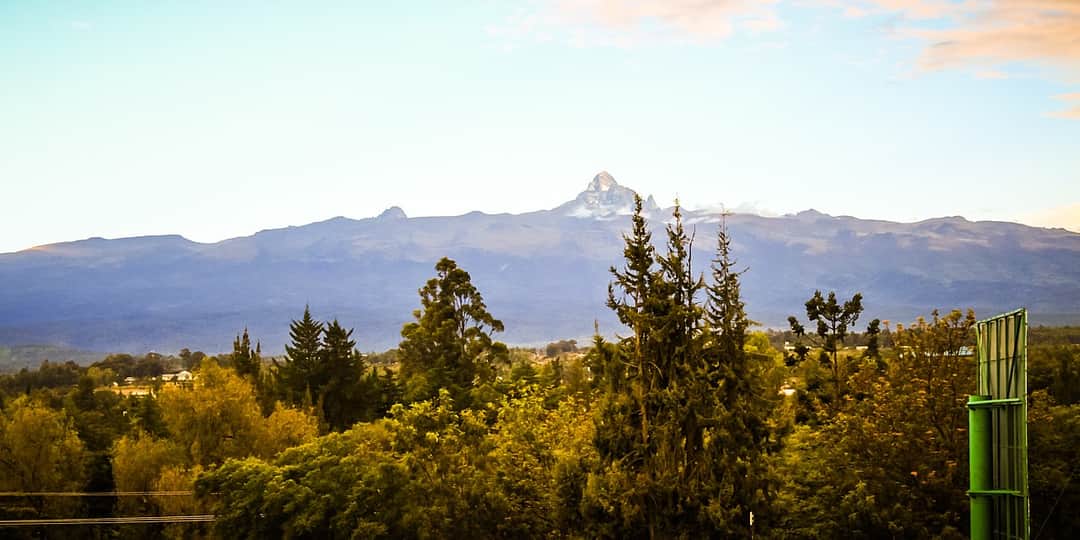
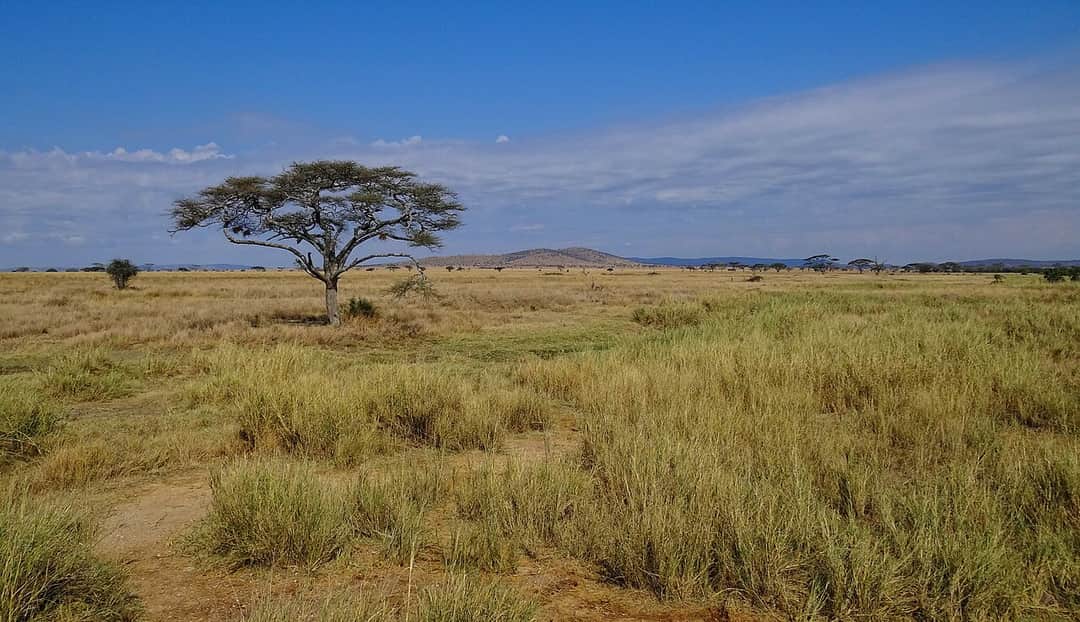
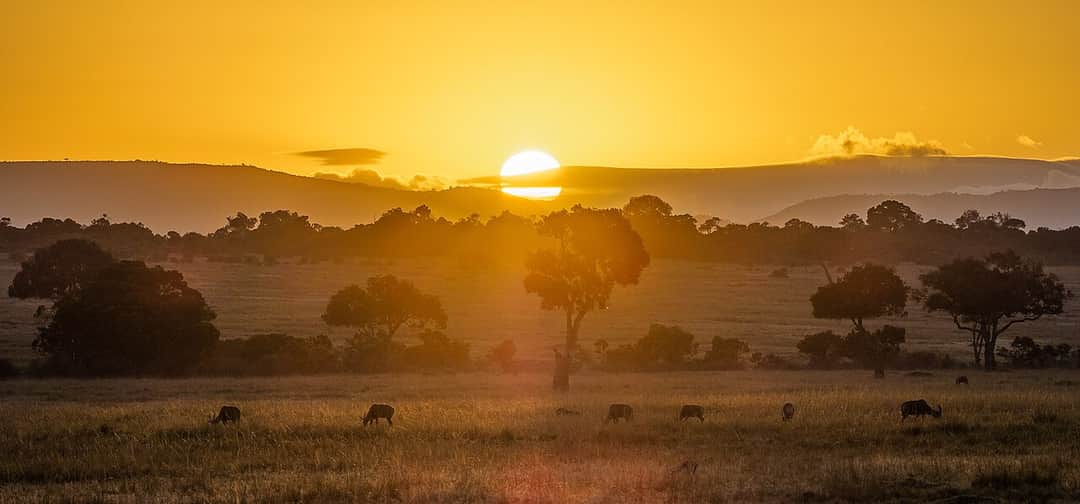
Kenya is where the modern safari was invented, and it still runs the tightest safari machine in Africa: Nairobi's Jomo Kenyatta International Airport puts you within a short flight or drive of the Maasai Mara, Amboseli, Tsavo, Samburu, and the Rift Valley lake circuit, all linked by a dense network of scheduled light-aircraft routes. The Maasai Mara is the northern stage of the Great Migration, drawing over a million wildebeest and zebra across the Mara River between July and October, and Amboseli offers some of the most reliable close-range elephant viewing on the continent, set against Kilimanjaro's backdrop across the Tanzanian border. Add a coastline of coral reefs and Swahili port towns, Lamu's UNESCO-listed Old Town, and Mount Kenya's glaciated peaks, and Kenya covers savanna, coast, and highland trekking without straining an itinerary. Tourism infrastructure spans genuinely all budgets, from public-campsite tents to fly-in luxury camps inside private conservancies bordering the national reserves.
Where is Kenya?
Best time to visit
The two dry windows, late June through October and January to February, give the most reliable game viewing because animals cluster around permanent water and rivers as the bush thins out. July through October is also when the wildebeest migration is physically in the Mara, with the river crossings concentrated in August and September before the herds turn back toward Tanzania's Serengeti in late October and November. The long rains fall March through May and can make some Mara conservancy and Tsavo tracks difficult, while the shorter November rains are usually brief afternoon showers that clear fast and leave the landscape green for photography.
High season
July to October is peak season, driven almost entirely by the migration's presence in the Mara, and camps here book out months ahead for that stretch. A secondary but smaller peak hits over Christmas and New Year across the coast and southern circuit parks, when both foreign and domestic travelers are on holiday.
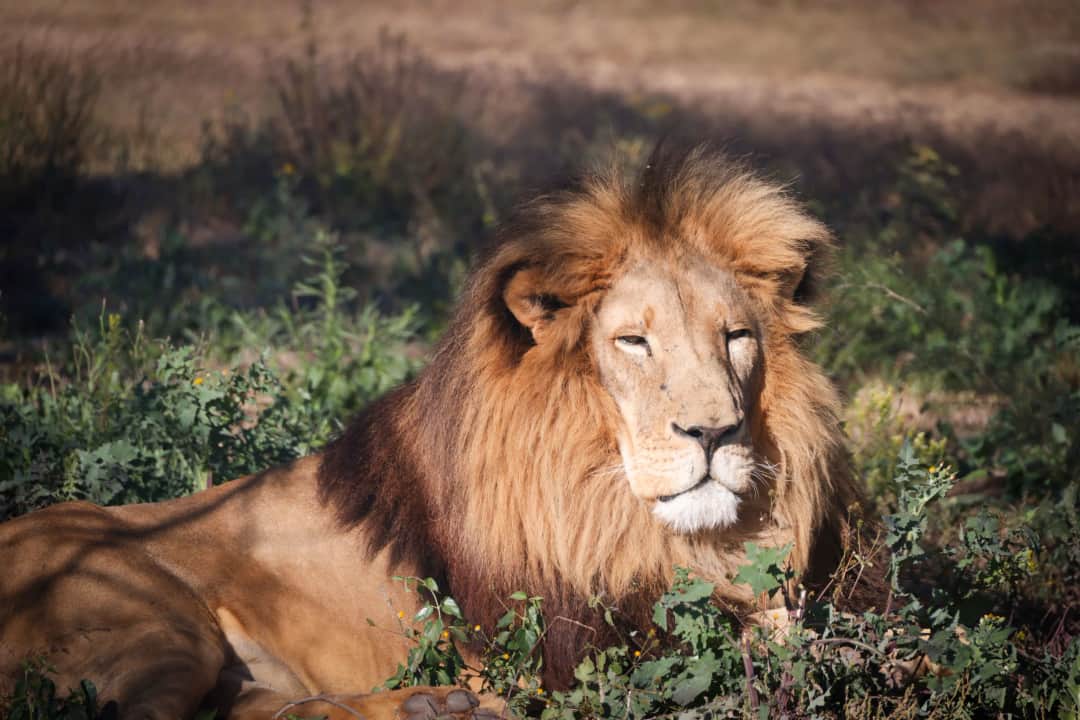
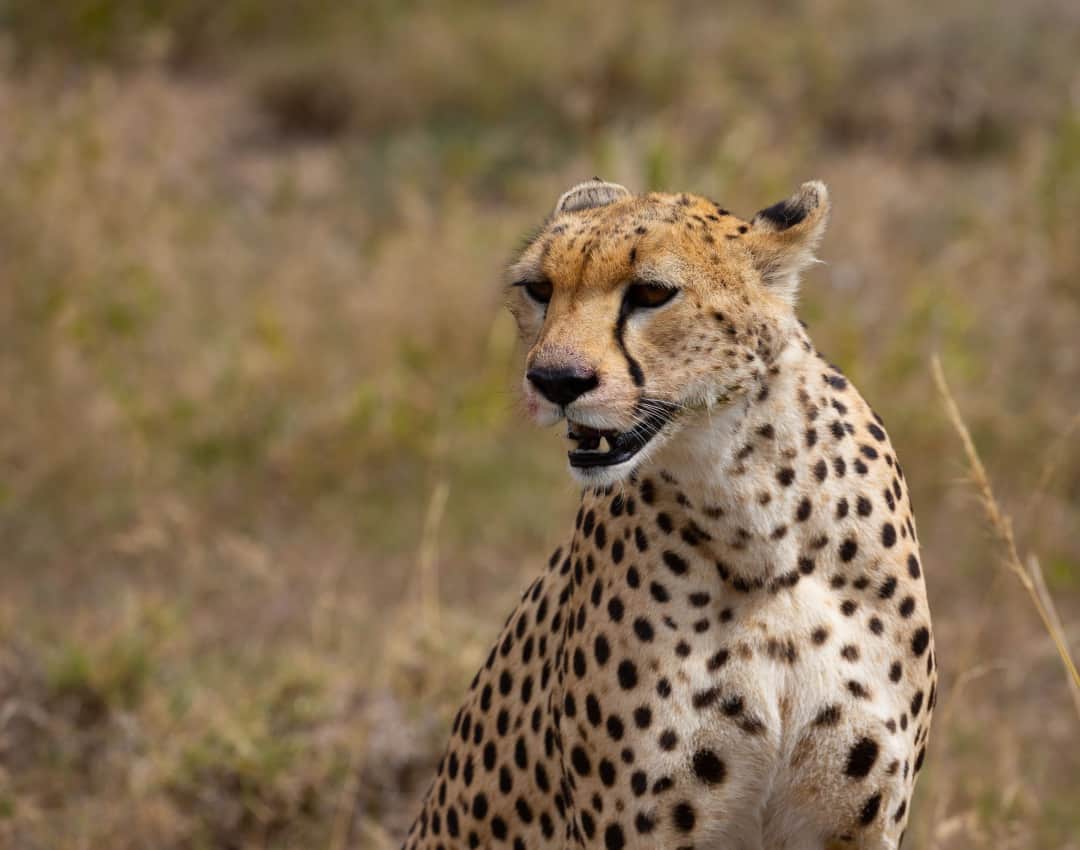
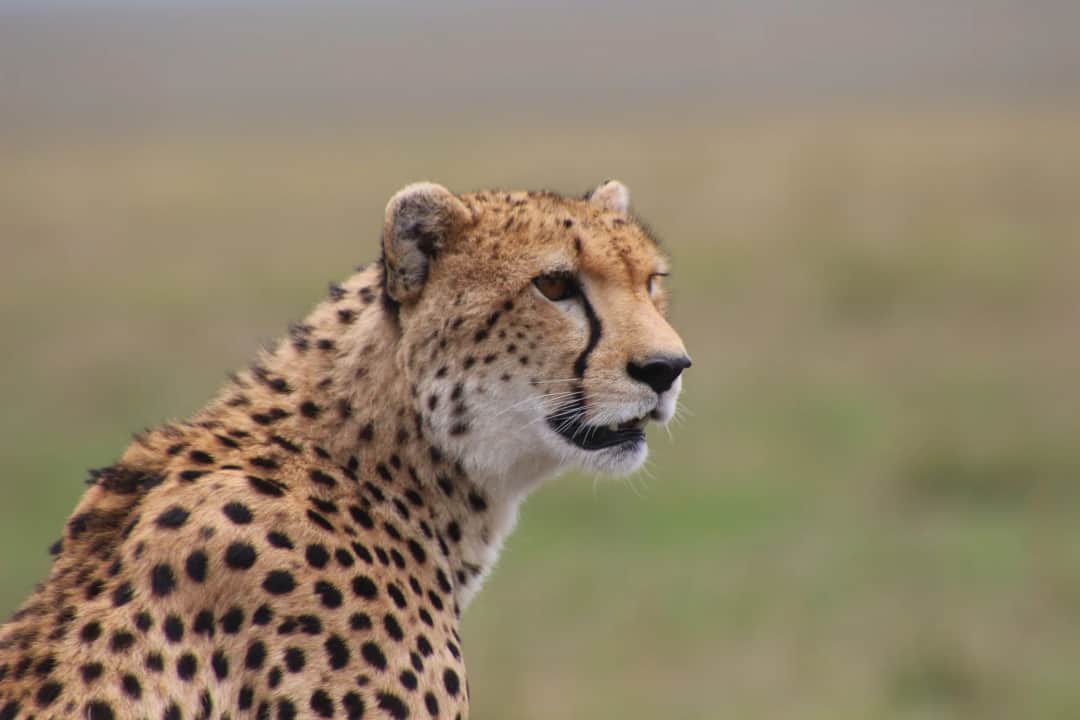
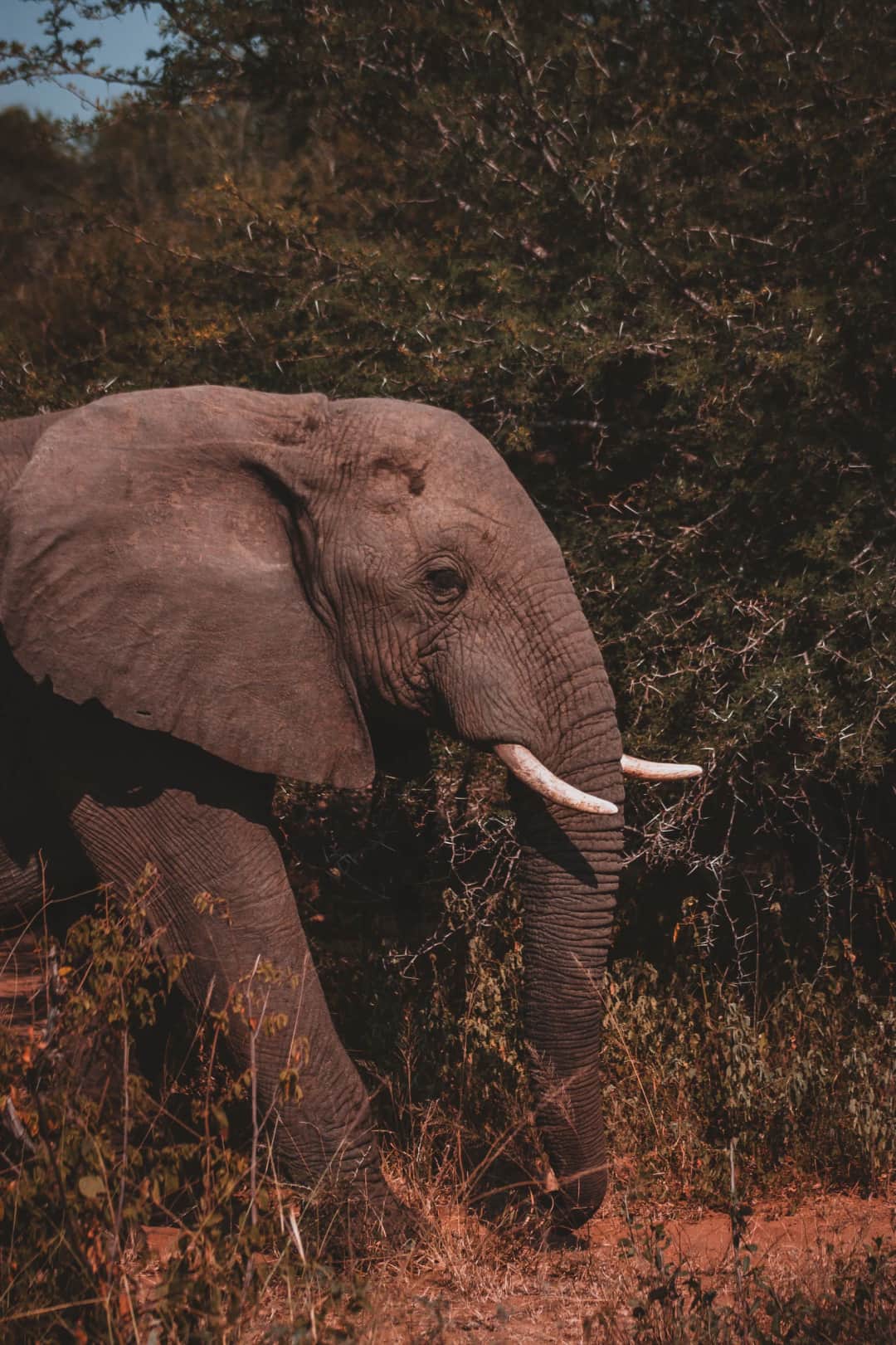
The Maasai Mara holds some of the highest lion and cheetah densities in Africa alongside the migration itself, and its private conservancies allow off-road driving and night drives that the adjoining national reserve does not. Amboseli is built around large, habituated elephant herds and swamp-fed grasslands beneath Kilimanjaro, while Tsavo East and West protect Kenya's biggest single conservation area and its distinctive red-dust elephants. Lake Nakuru and Lake Bogoria draw thousands of flamingos onto their soda-lake shores and both host rhino, and Samburu National Reserve in the drier north is the place for species found nowhere else in Kenya's south: Grevy's zebra, reticulated giraffe, gerenuk, and beisa oryx, known locally as the Samburu Special Five.
Track the migration in the Maasai Mara
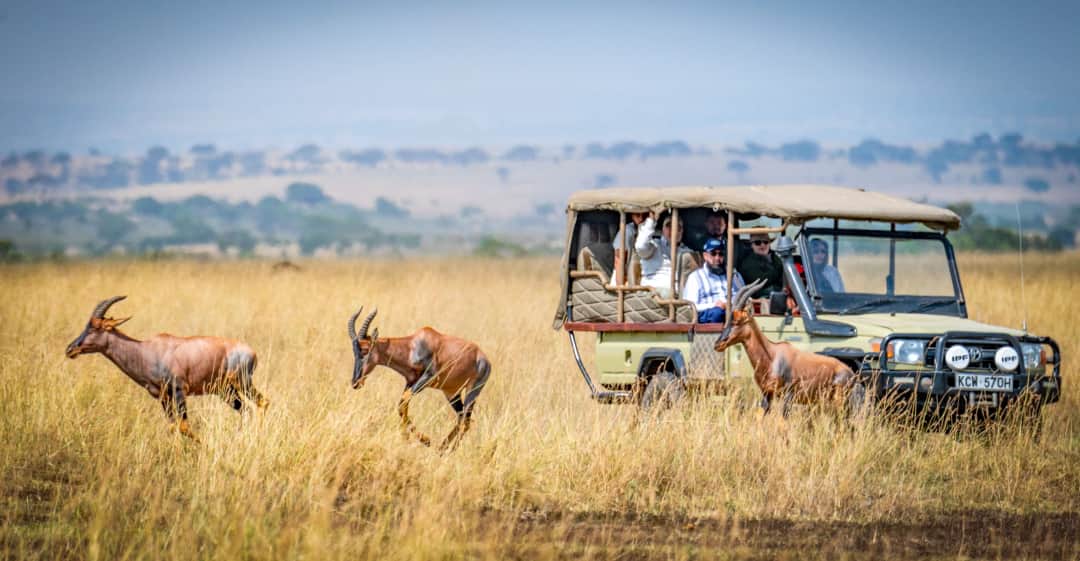
Base in the reserve itself or in one of the bordering conservancies (Mara North, Naboisho, Olare Motorogi) for July-through-October river crossings, or come outside migration months for the resident lion and cheetah population that never leaves. Conservancy stays add night drives and walking safaris that the national reserve doesn't allow, at the cost of a separate conservancy fee.
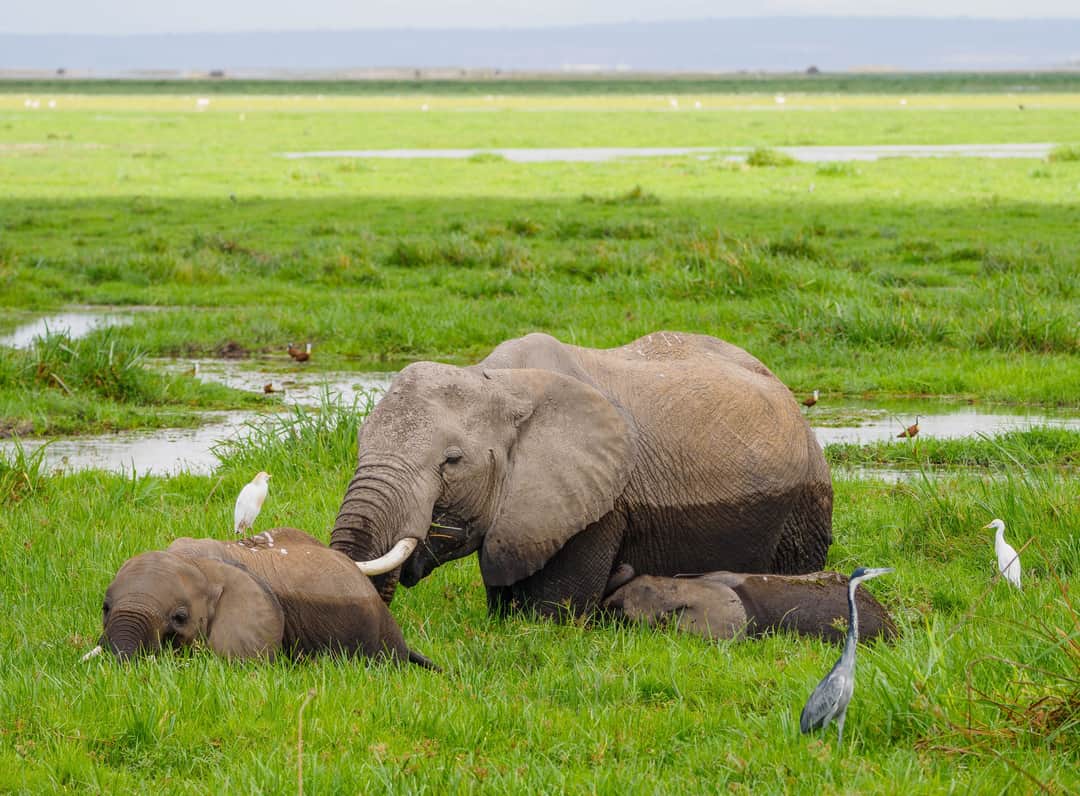
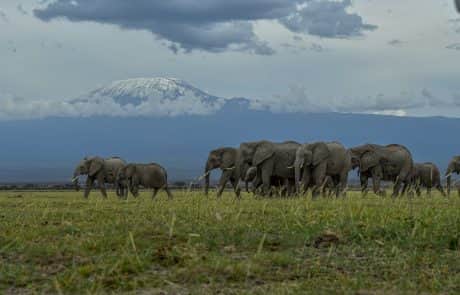
Photograph elephants against Kilimanjaro in Amboseli
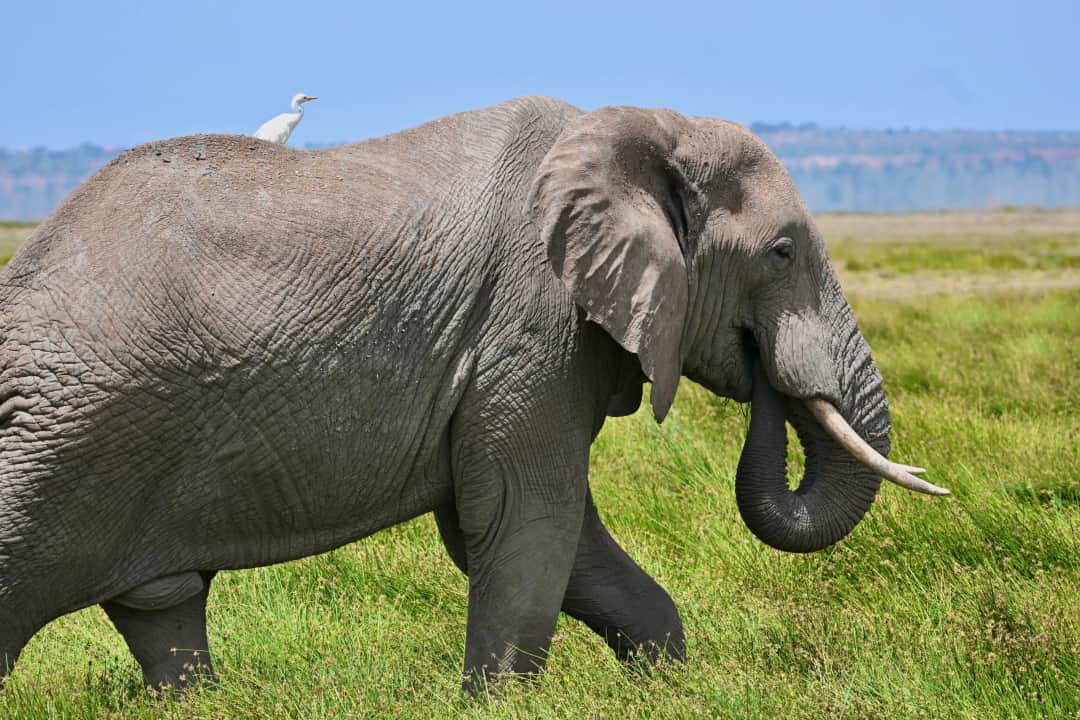
Amboseli's swamps keep large elephant herds visible year-round, and on clear mornings Kilimanjaro's snowcap forms a backdrop that no other Kenyan park can match, since the mountain sits just across the Tanzanian border. It's compact enough to cover thoroughly in two to three days.
See flamingos and rhino on the Rift Valley lakes
Lake Nakuru is fenced and rhino-protected, combining black and white rhino sightings with dense flamingo flocks along the shoreline in good years, plus Rothschild's giraffe. Lake Bogoria, further north and less visited, adds hot springs and geysers to a similar flamingo spectacle.
Find Kenya's arid-north specials in Samburu
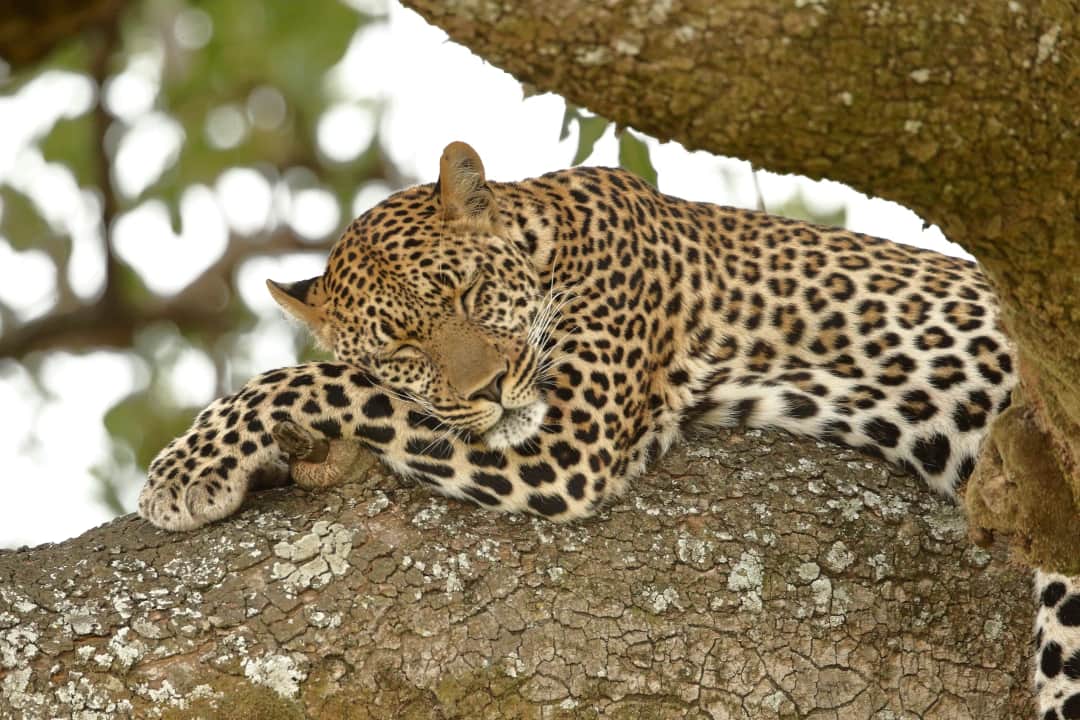
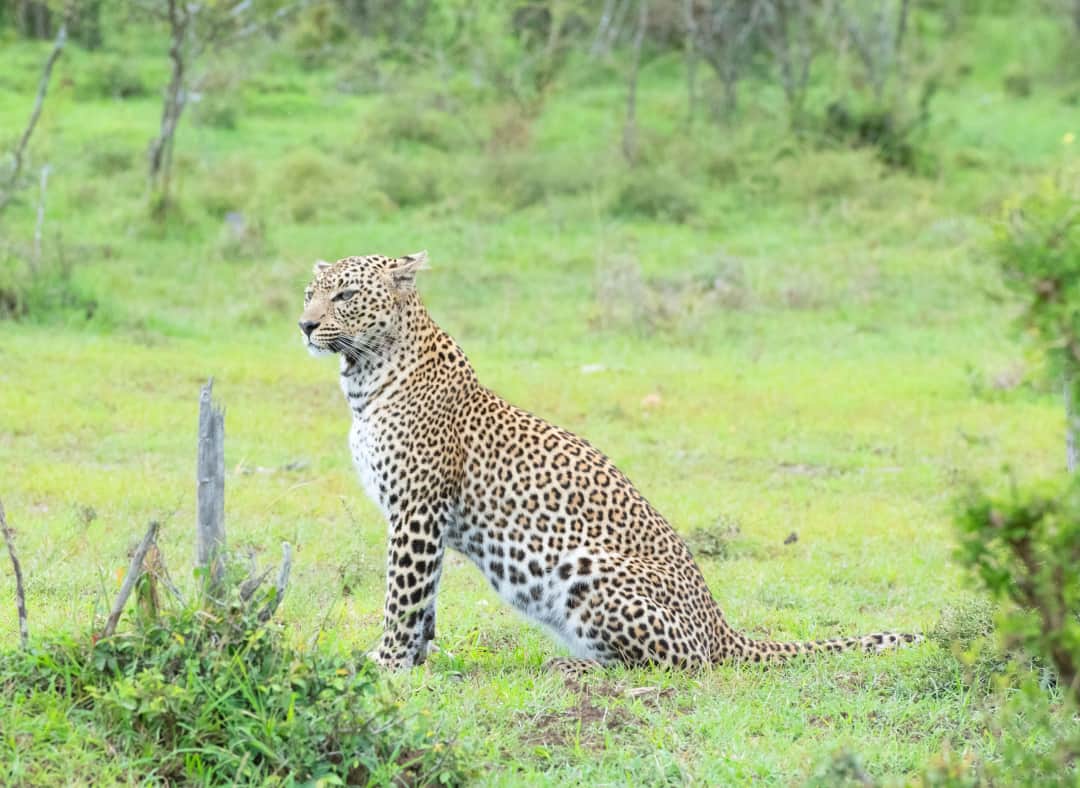
Samburu National Reserve and neighboring Buffalo Springs sit along the Ewaso Ng'iro River in genuinely different terrain from the southern savanna parks, with striated ground squirrels, gerenuk browsing upright on their hind legs, and a strong chance of leopard along the river's doum palm groves.
Relax on the coast at Diani or Watamu
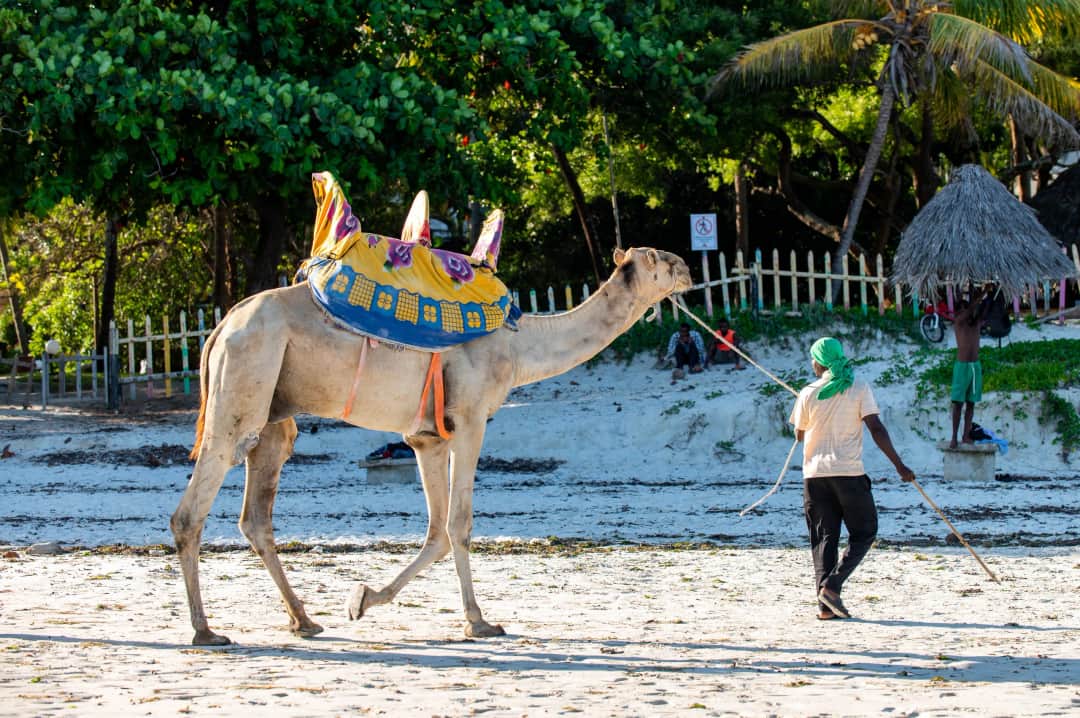
Diani Beach's white sand and reef-protected water suit both lounging and kite surfing, while Watamu combines a similarly good beach with a marine national park for snorkeling among coral gardens and turtles. Both are workable as a genuine beach add-on after an inland safari rather than a separate trip.
Walk Lamu's Old Town
Lamu Old Town is East Africa's oldest continuously inhabited Swahili settlement and a UNESCO World Heritage Site, with no cars on the island, narrow coral-stone alleys, carved wooden doors, and dhow builders still working the waterfront. It's a slower, more cultural counterpoint to the mainland beach resorts.
Spend a morning in Nairobi before or after safari
Nairobi National Park sits within the city limits, giving lion, rhino, and giraffe sightings with the skyline behind them, and pairs well with the Sheldrick Wildlife Trust elephant orphanage and the Giraffe Centre nearby. It's an efficient way to use a layover day rather than dead time before a flight.
Trek Mount Kenya
Africa's second-highest peak offers multi-day routes (Sirimon, Chogoria, Naro Moru) through moorland and alpine zones to Point Lenana, achievable without technical climbing gear, unlike the glaciated main summits. It suits travelers who want a highland trek without committing to Kilimanjaro's longer, costlier climb.
The herds are typically in the Maasai Mara from July through October, with the dramatic Mara River crossings concentrated in August and September. By late October or November they turn back south into Tanzania's Serengeti, so outside that window you'll find resident wildlife in the Mara but not the migration itself.
The established safari circuit (Mara, Amboseli, Tsavo, Samburu, Nakuru) and the main coastal resort areas see millions of visitors with a strong tourism-security infrastructure built around them. As anywhere, check current government travel advisories for specific regions before booking, particularly near the northern border areas that fall outside the standard tourist circuit.
Yes, this is one of Kenya's biggest advantages: Nairobi connects to Mombasa or directly to coastal airstrips by short flight, so a week of safari followed by several days at Diani, Watamu, or Lamu is a standard and easy itinerary without significant backtracking.
Seven to ten days lets you cover two or three parks properly, for example the Maasai Mara plus Amboseli or Lake Nakuru, without the rushed feel of single-night stops. A shorter four-to-five-day trip focused solely on the Mara is still worthwhile if time is limited.
The Maasai Mara and Amboseli are the strongest starting point: both have high, reliable game density, well-developed camp infrastructure, and short flights from Nairobi. Add Lake Nakuru if flamingos and rhino are a priority, or Samburu if you want species you won't see further south.
Most safari and coastal areas are malaria zones, so prophylaxis and mosquito precautions are standard advice, and a yellow fever vaccination is required or recommended depending on your routing and prior travel. Check current requirements with a travel clinic before departure since these can change.
Flying between parks on Kenya's scheduled light-aircraft network saves significant time on multi-park trips and is the norm for shorter itineraries, while road transfers are cheaper and let you see the countryside but can take most of a day between some parks. Many travelers mix both, driving shorter legs and flying the longer ones.
Country
Kenya
Take it with you
Everything on this page in one document you can keep, print, or send to whoever you are travelling with. No email required.