Mountain in Tanzania
Kilimanjaro is the rare great mountain that ordinary people can climb. There are no ropes, no ice axes and no technical skill required on any of the trekking routes, which is why roughly 35,000 people attempt it every year and why so many of them arrive underprepared for what the mountain actually asks of them.
The difficulty is not the walking. The paths are steep in places and long in others, but nothing on the standard routes is beyond a reasonably fit person. The difficulty is altitude. At 5,895 metres, the air at Uhuru Peak holds roughly half the oxygen of the air at sea level, and no amount of gym work in the months beforehand changes how your body responds to that. What changes it is time. This is the single most important thing to understand before booking: the number of days you spend on the mountain predicts your summit success more reliably than your fitness, your age or your route.
Operators know this. It is why the same route is sold as six days and as eight, and why the price difference between them is smaller than most people expect relative to the difference in outcome. Trekkers on six-day itineraries turn back at a far higher rate than those who take eight or nine, almost entirely because the shorter schedules leave no room to acclimatise. If your budget forces a choice between a shorter climb now and a longer one later, the longer one later is the better trip.
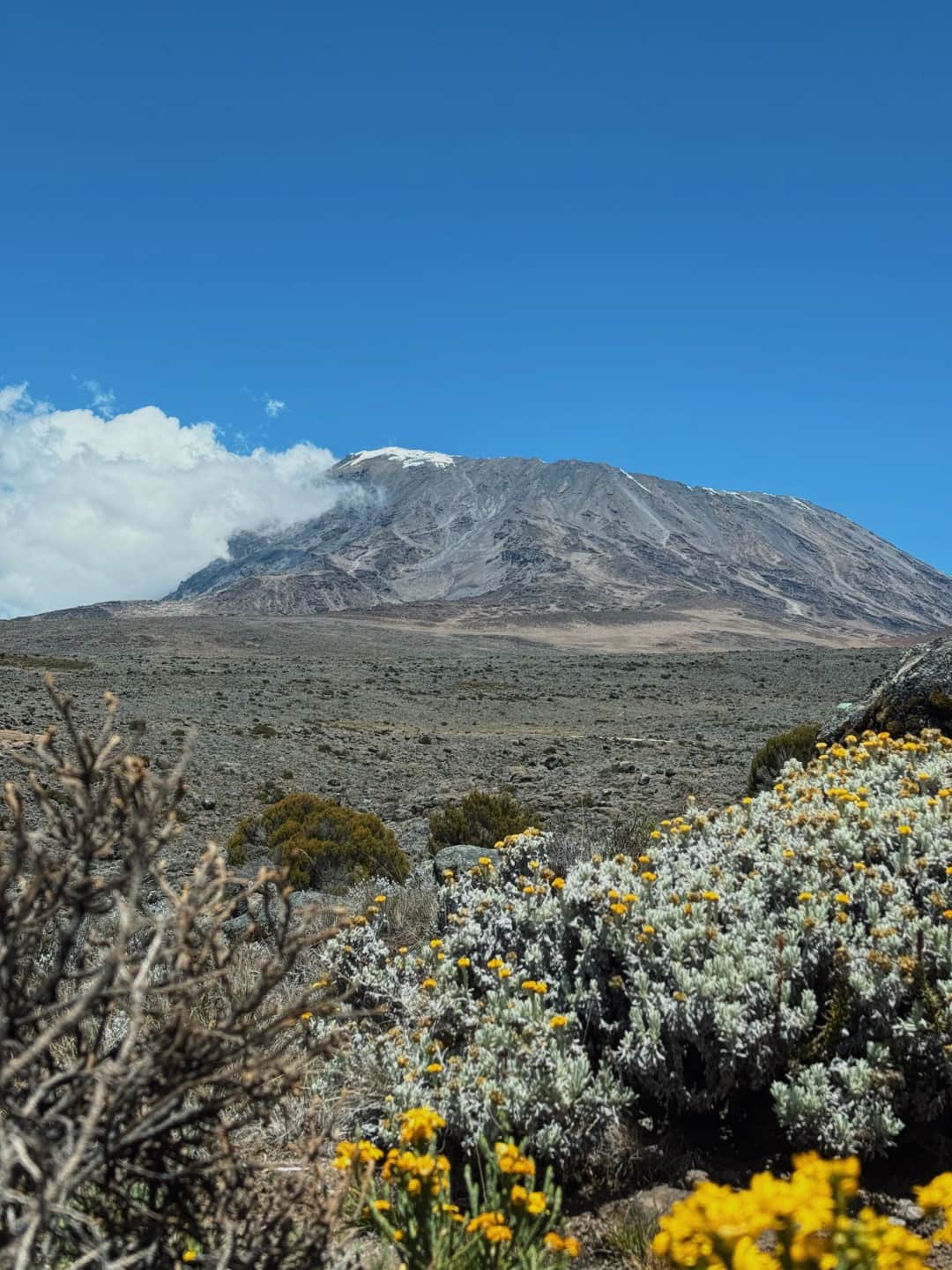
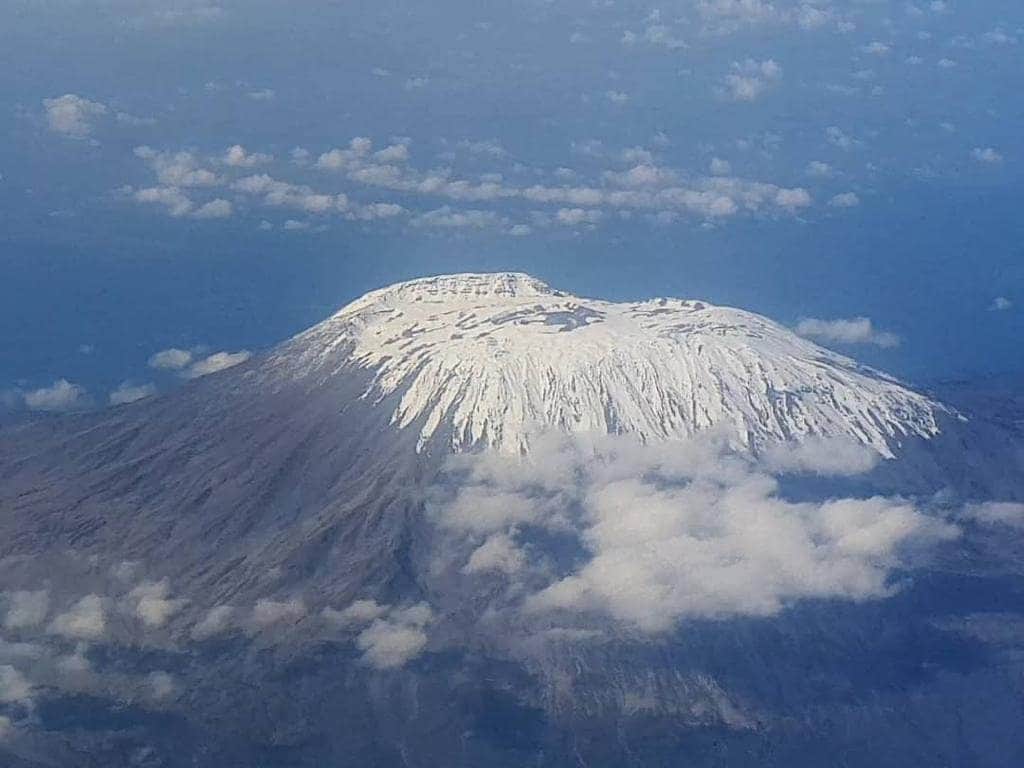
The other thing nobody tells you: Kilimanjaro is not one landscape but five, stacked on top of each other. You start among banana and coffee farms, walk up through dripping rainforest loud with colobus monkeys, cross open heath where giant groundsels stand like something prehistoric, then alpine desert where nothing much lives at all, and finish on a glaciated arctic summit within sight of the equator. Few places on earth compress that much change into a week of walking.
Best time to visit
There are two dry windows and they feel like different mountains.
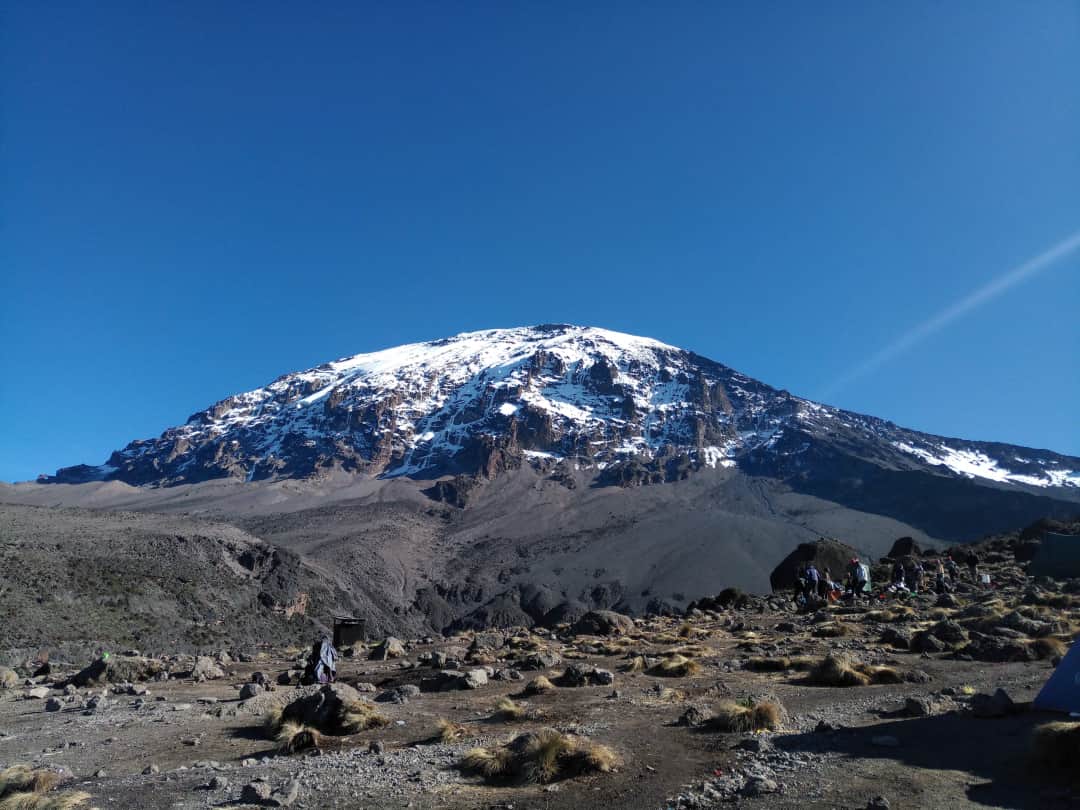
January to mid-March is warmer, quieter and often clearer, with better odds of an unclouded summit sunrise. Snow on the crater rim is more likely in this window, which is beautiful and makes summit night colder. This is the better season if you want the mountain to yourself.
June to October is the long dry season and the most reliable weather of the year. It is also the busiest, particularly on Machame and Marangu, and the coldest at altitude. If you want the highest chance of a straightforward climb and do not mind company on the trail, this is the window.
The two rainy periods, roughly late March to May and November to early December, are worth avoiding unless you have a high tolerance for wet forest, mud and cloud. The mountain is climbable year round, and some operators run it cheaply in these months, but the rainforest section becomes genuinely unpleasant and summit views are far less likely.
One detail worth planning around: climbing to arrive at the summit near a full moon means summit night is lit well enough to walk without relying on a head torch, and the glaciers under moonlight are something people remember for the rest of their lives. Full moon dates book out early.
High season
July to October is the peak, followed by the Christmas and New Year period and the January to February window. On Machame and Marangu in August you will share camps with a lot of other groups. Lemosho, Rongai and the Northern Circuit stay noticeably quieter even in high season.
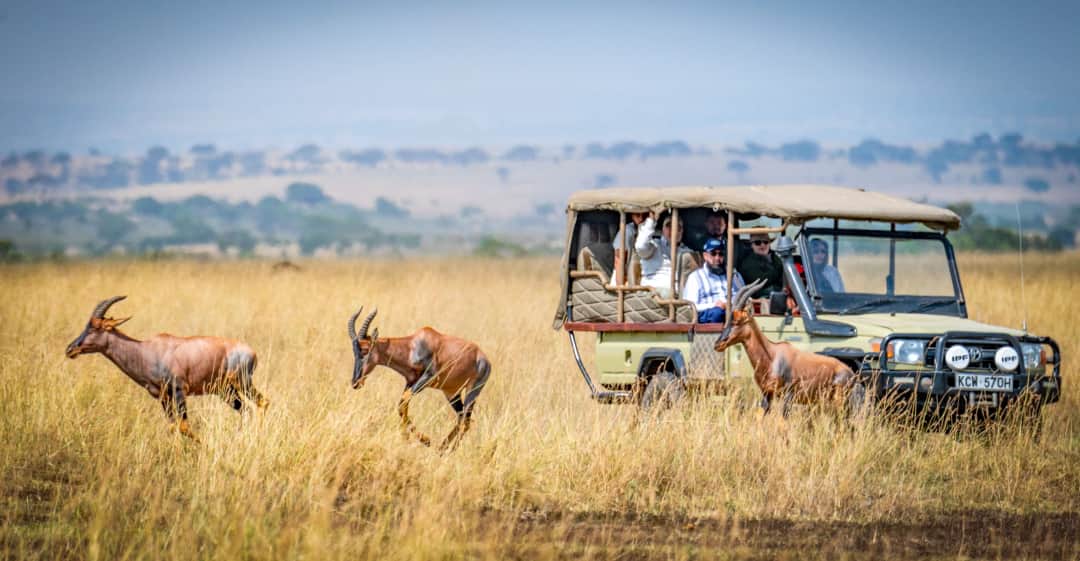
Kilimanjaro is not a game park and you should not book it expecting big animals, but the lower mountain is far richer than most trekkers realise because they walk through it on day one while still fresh and impatient.
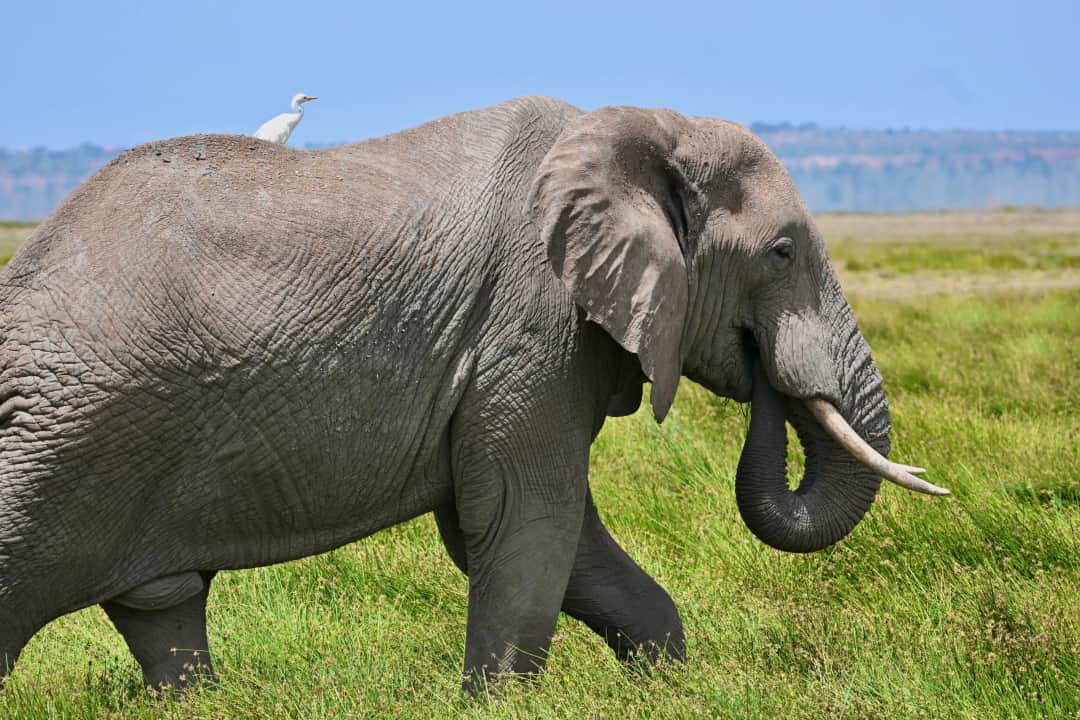
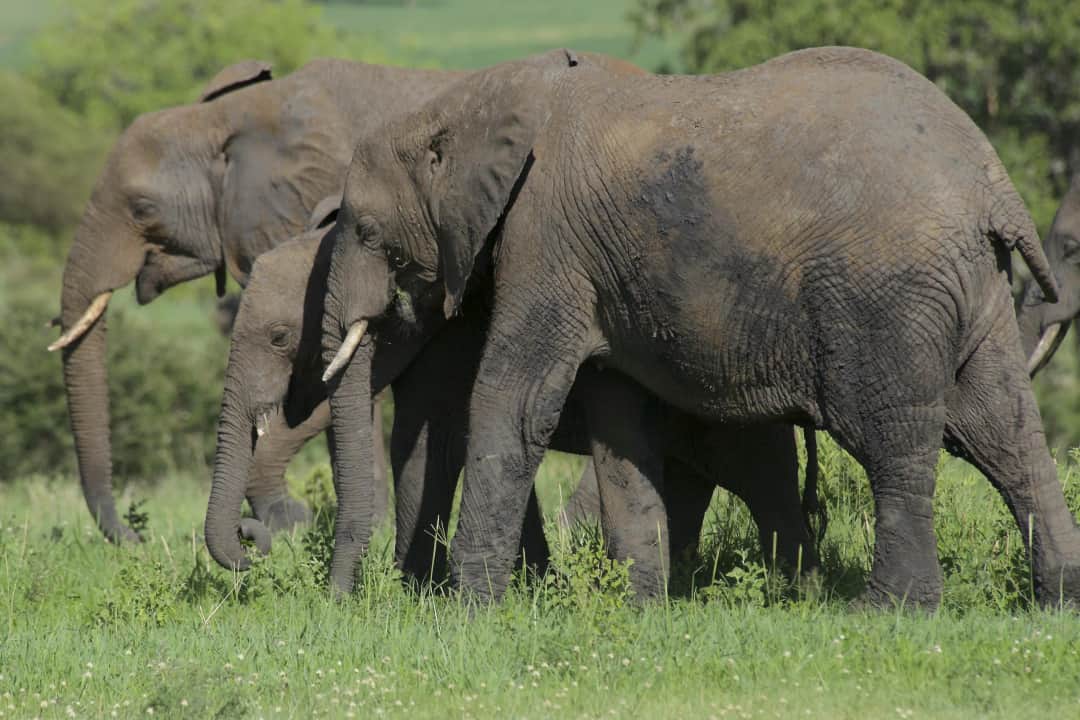
The rainforest belt is the place to slow down. Black and white colobus monkeys, unmistakable with their long white tails, move through the canopy in troops, and blue monkeys are common though harder to spot. The birdlife is excellent here: turacos, hornbills and, if you are lucky and looking up, the enormous lammergeier riding thermals higher up the mountain. Rongai, which climbs the drier northern side, has the best chance of larger animals on the lower slopes, with elephant and buffalo occasionally crossing the forest.
Above the treeline the interest shifts from animals to plants. The giant groundsels and lobelias of the moorland zone exist almost nowhere else on earth. They have evolved to survive nights that freeze and days that burn, and standing among them in morning mist is one of the strange, quiet highlights of the whole climb.
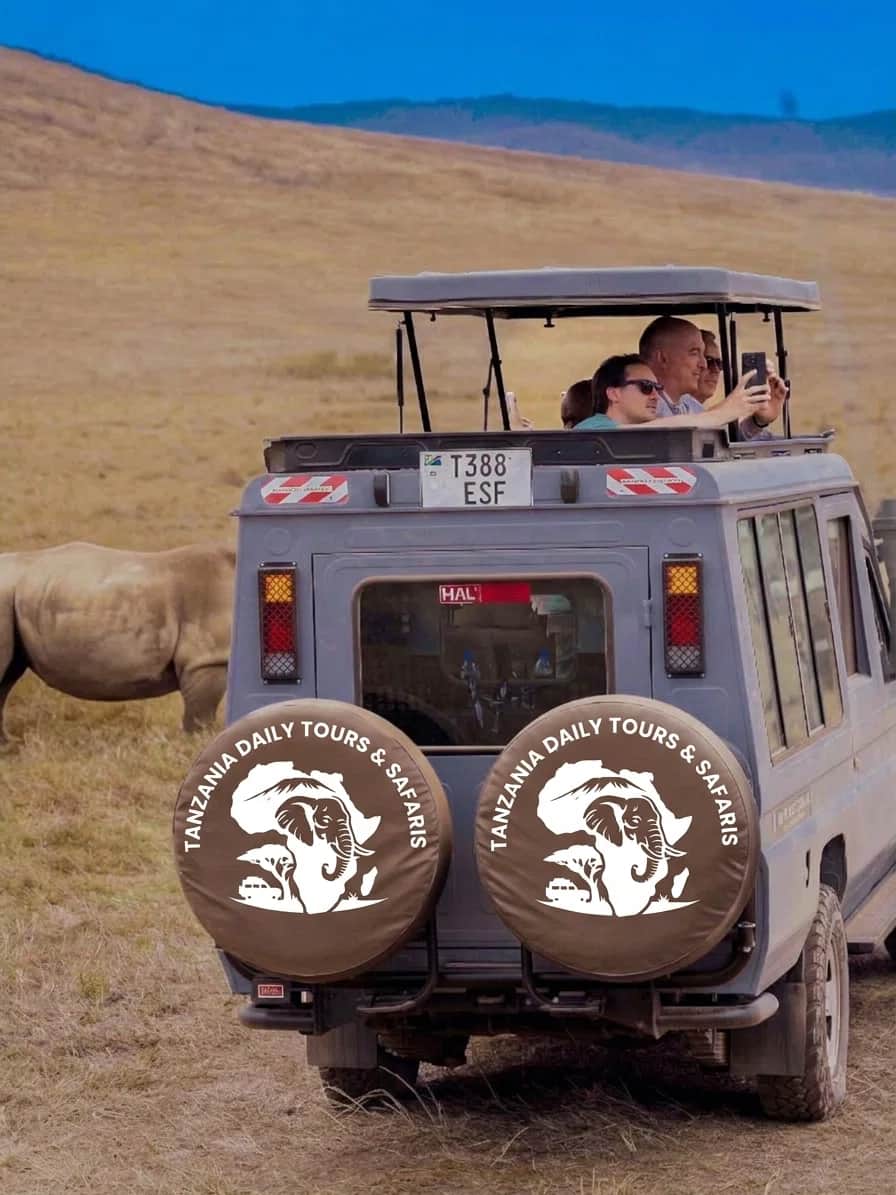
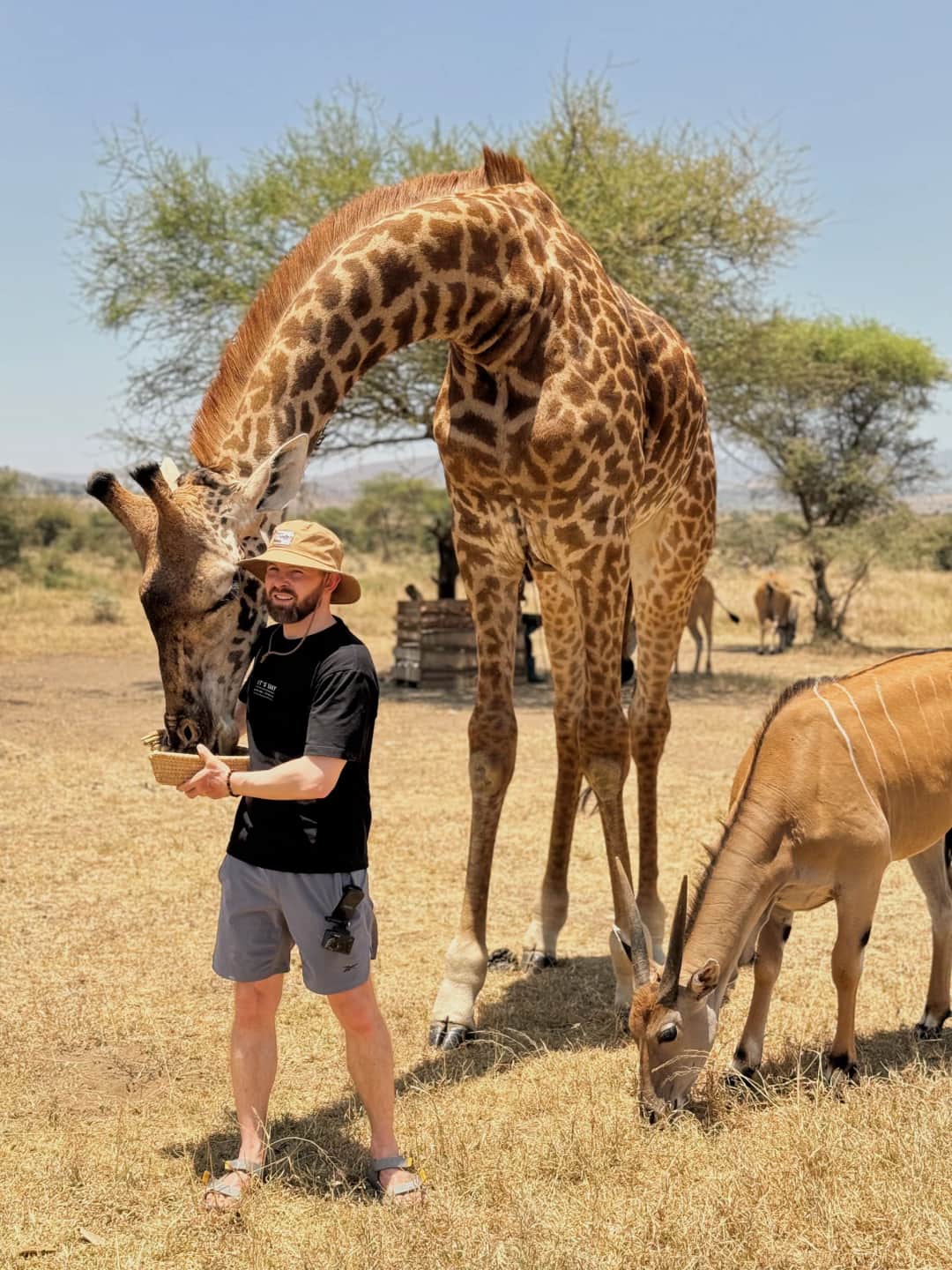
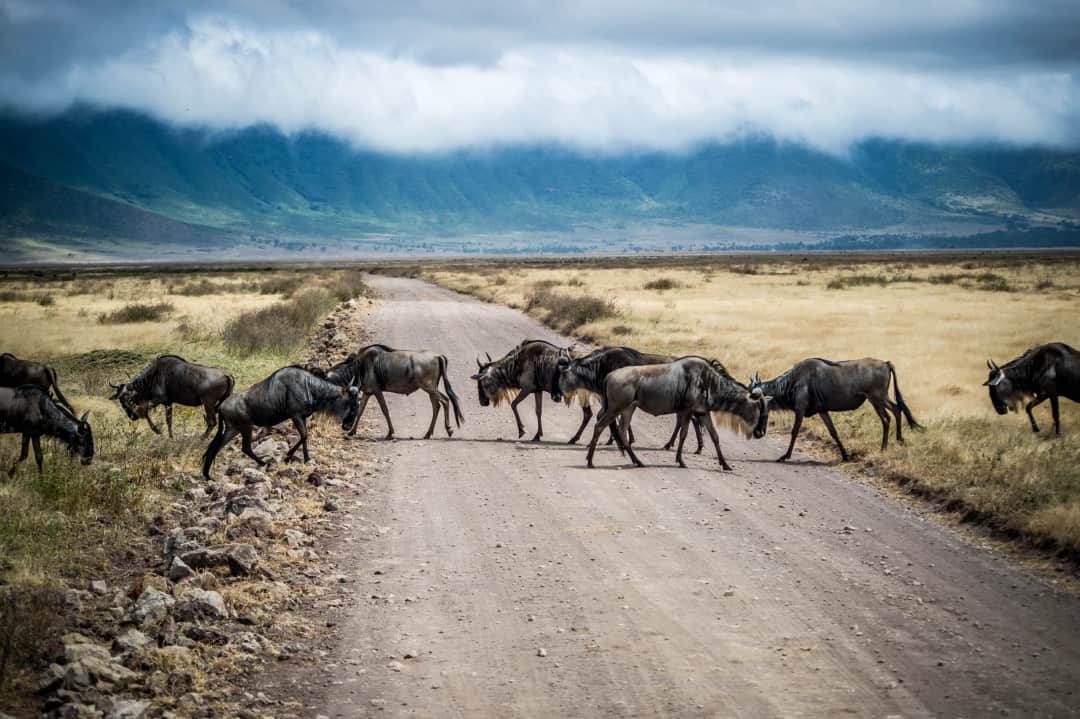
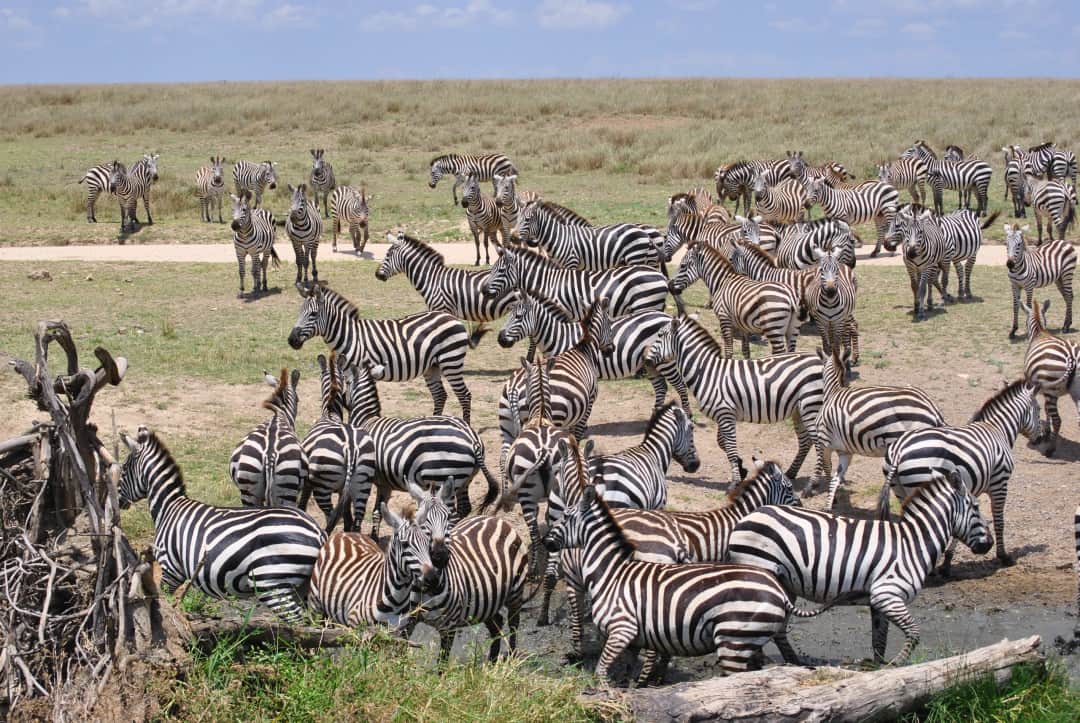
Many people pair the climb with a safari in the Serengeti, Ngorongoro or Tarangire, either before as gentle altitude preparation or after as recovery. If you have come this far, it is worth the extra days.
Lemosho Route, 8 or 9 days
The best all-round choice for most people, and what an honest operator will steer you toward if you can afford the days. It approaches from the west through remote forest, crosses the wide open Shira Plateau, and takes a long enough line that your body has real time to adapt. Success rates are among the highest on the mountain. It is quiet for the first two days, scenic throughout, and joins the busier Machame path only in the later stages.
Machame Route, 7 or 8 days
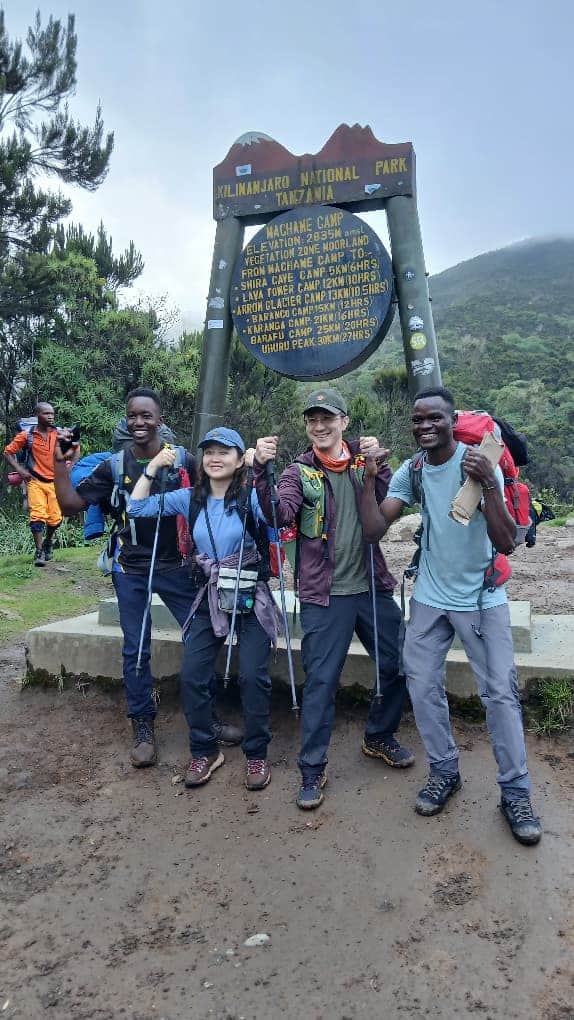
The most popular route on the mountain and deservedly so, though popularity is also its main drawback. Known as the Whiskey route for being tougher than Marangu, it climbs steeply and follows a walk high, sleep low profile that aids acclimatisation. It includes the Barranco Wall, a scramble that looks alarming from below and turns out to be the most enjoyable hour of the trek for most people. Take the 8 day version if you can. The 7 day version is where a lot of people quietly run out of acclimatisation.
Northern Circuit, 9 days
The longest route and the one with the highest summit success of all, because it simply gives you more time above 3,000 metres than anything else on offer. It loops around the quiet northern slopes that almost nobody walks, so you get solitude that has largely disappeared from the southern routes. Choose this if you have the days, if you are worried about altitude, or if the idea of sharing camp with thirty other trekkers puts you off.
Rongai Route, 7 or 8 days
The only route approaching from the north, near the Kenyan border. It is drier than the southern routes, which makes it the sensible pick in shoulder season or if you are climbing in a wetter month. The gradient is gentler and it is far less crowded. The trade-off is scenery: it is the least visually dramatic of the main routes until you reach the summit approach, and it offers less natural walk high, sleep low profile, so the extra day matters here.
Marangu Route, 6 or 7 days
The old classic, and the only route with permanent huts rather than tents, which is why it appeals to people who dislike camping. It is nicknamed the Coca-Cola route for being the easiest walking. Be clear eyed about it though: it ascends and descends by the same path, offers the least acclimatisation benefit, and has the lowest summit success rate of any route, particularly in its 6 day form. Choose it for the huts, not because it sounds easier. If you do take it, take the 7 day version.
Umbwe Route, 6 or 7 days
The steepest, hardest and least travelled way up. It gains altitude alarmingly fast, which makes it a poor choice for acclimatisation and a genuinely serious undertaking. It is beautiful and almost empty. Only consider it if you have previous high altitude experience and know how your body handles it, and even then the longer version is strongly preferable.
Summit night
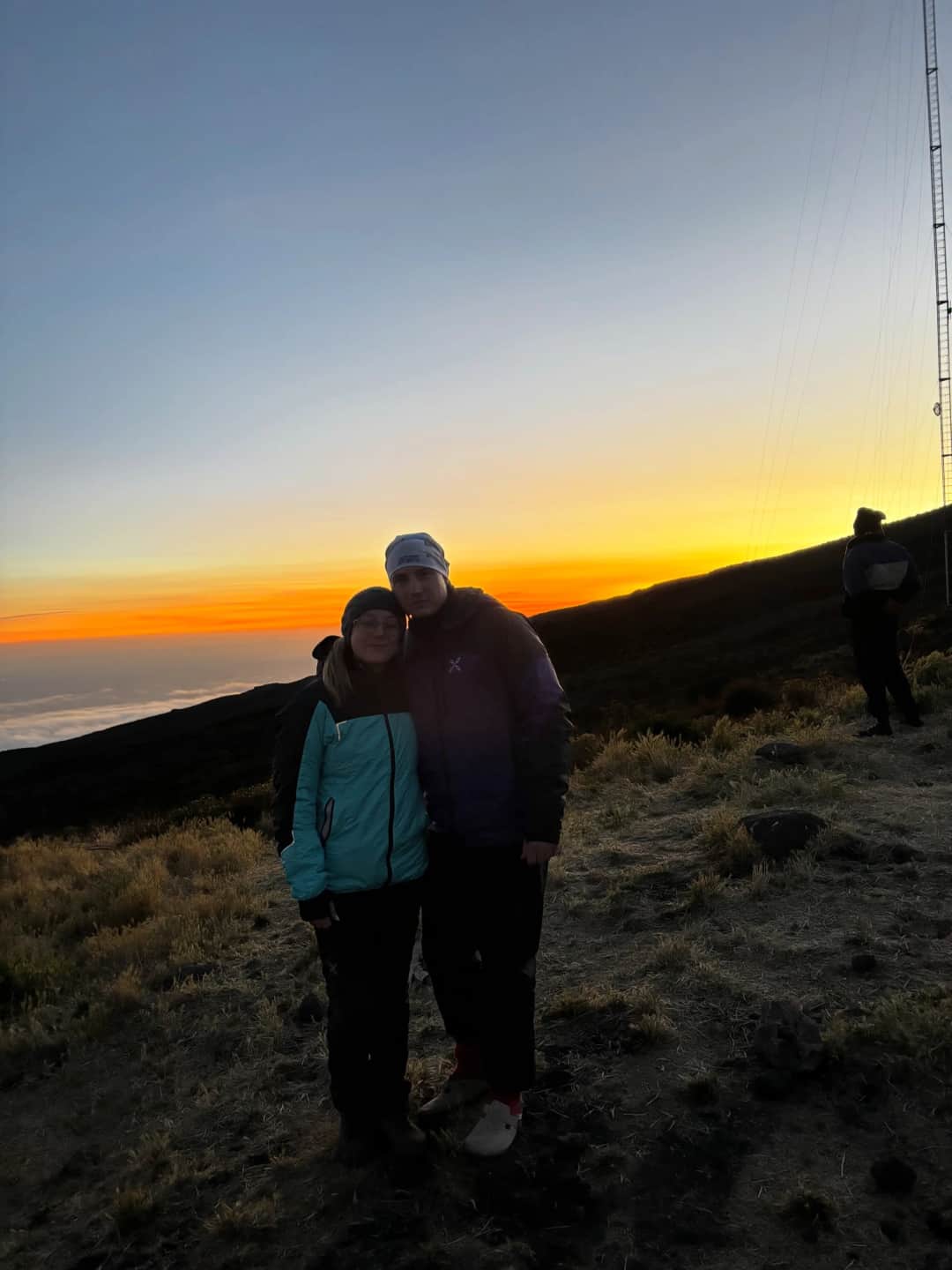
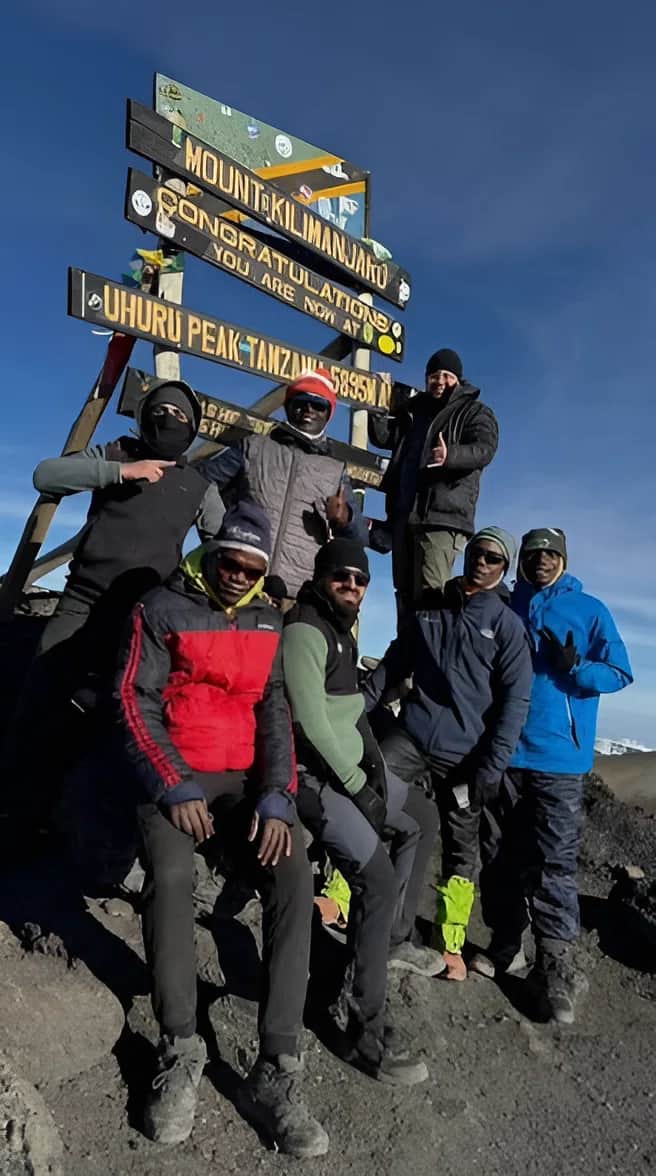
Almost every route summits the same way. You are woken around 11pm, you drink something warm, and you start walking into the dark in a line of head torches switchbacking up scree. It is cold enough that water in a tube freezes, and it goes on for six or seven hours. You reach Stella Point as the sky turns, then walk the final gentle hour along the crater rim to Uhuru Peak. Nearly everyone finds this the hardest thing they have ever done physically, and nearly everyone says the glaciers at sunrise were worth it. Then you descend the same day, sometimes thousands of metres, which is its own kind of hard.
Crater Camp, an optional extra night
Some longer itineraries offer a night camped inside the summit crater at around 5,700 metres, beside the ash pit and the remaining glaciers. It is an extraordinary place to sleep and almost nobody does it. It is also serious: sleeping that high is hard on the body and it should only be attempted if you have acclimatised well and are feeling strong. Discuss it with your operator rather than committing in advance.
Mountain
Mount Kilimanjaro
Take it with you
Everything on this page in one document you can keep, print, or send to whoever you are travelling with. No email required.
Fitter than average, but this matters less than people assume. If you can walk for six to seven hours over hilly ground on consecutive days without dreading the next one, you have the base you need. Training on back to back days is far more useful than short intense sessions, because the mountain asks you to do it again tomorrow. What fitness does not do is protect you from altitude. Extremely fit people turn back and unremarkable walkers reach the summit, and the difference is usually how many days their itinerary allowed and how honestly they paced themselves.
Eight if you can, nine if you are cautious or the budget stretches. The relationship between days on the mountain and reaching the summit is the strongest single pattern in Kilimanjaro trekking, and it is not subtle. Six day itineraries exist because they are cheaper to sell, not because they work better. If the difference in cost between a six and an eight day climb decides your trip, it is worth waiting and doing it properly.
Mild altitude sickness is common above about 3,000 metres and usually shows up as headache, poor appetite, nausea and broken sleep. It is manageable and often passes as you adapt. What matters is honesty: tell your guide exactly how you feel rather than pushing through quietly, because the serious forms develop from the mild ones and the treatment for those is immediate descent. Good guides check you daily and take it seriously. Some trekkers use preventative medication, which is a conversation to have with your own doctor well before you travel, not something to decide at the trailhead.
Pole pole is Swahili for slowly slowly, and your guides will repeat it until it becomes a joke. It is not a joke. Walking slower than feels natural is the single most effective thing you can do to reach the summit, because it keeps your body inside the oxygen budget it currently has. The trekkers who struggle most on summit night are very often the ones who felt strong on day two and walked at their own pace instead of the guide's.
You will start the climb in shorts and finish it in everything you own. The rainforest is warm and humid, the moorland is pleasant by day and cold at night, and summit night is well below freezing before you add wind. Layers matter more than any single heavy jacket. The most common equipment mistake is underestimating hands and feet, so do not economise on gloves, and take a spare pair.
Every climb is carried by a crew far larger than the trekking group, often three or more people per climber. They carry your kit, set your camp, cook your food and, on a bad day, they are the reason you get down safely. Their working conditions vary enormously between operators, and the cheapest quotes are frequently cheap because the crew is paid less, fed less or given inadequate gear for the same mountain you are climbing in expensive boots. Ask any operator directly how many porters they use, what they pay them and what gear they provide. A good operator answers that question comfortably and in detail. It is a fair question, and how it is answered tells you most of what you need to know about who you are booking with.
Yes, and many people do. It is one of the very few mountains of this height that genuinely welcomes beginners, because the route finding, camping and logistics are all handled by your crew. What you cannot skip is the physical preparation and a sensible itinerary. If this is your first multi day trek, weight the decision toward more days rather than fewer, and spend the months beforehand walking regularly with a pack.
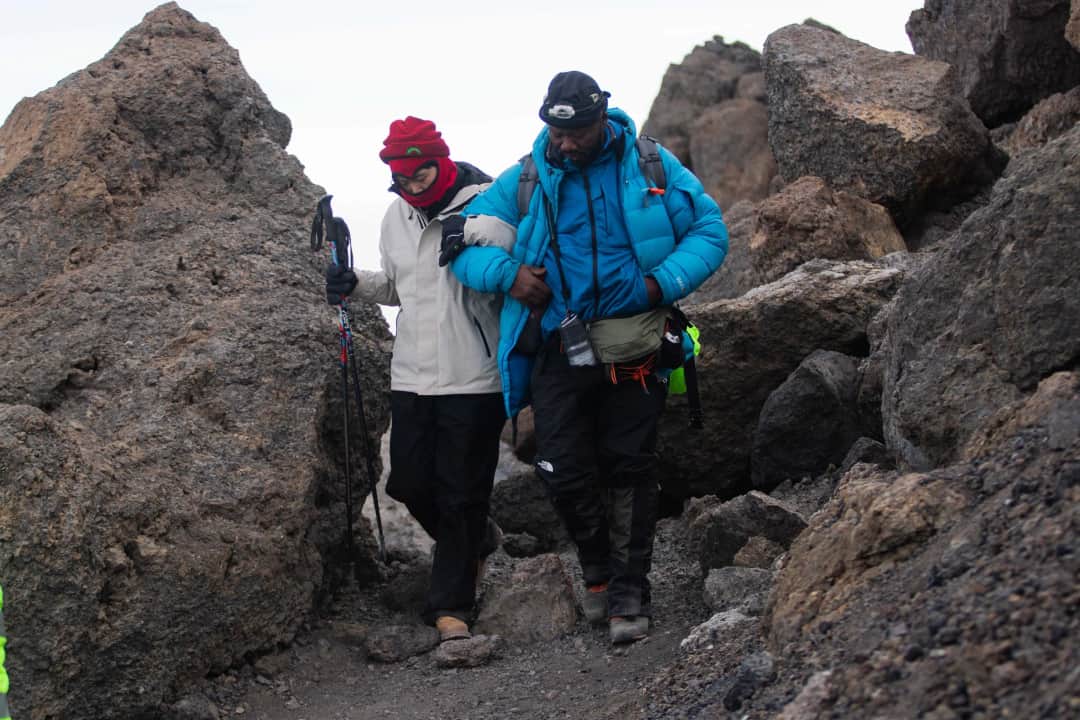
Your guides will bring you down, and this is routine rather than dramatic. Descending even a few hundred metres resolves most altitude problems quickly. Groups usually split rather than everyone turning back, with an assistant guide accompanying anyone descending while the rest continue. Knowing this in advance helps, because the fear of ruining it for everyone else is one reason people hide symptoms for too long.
For most people who have travelled a long way, yes. The northern safari circuit of Serengeti, Ngorongoro and Tarangire starts from the same town as most Kilimanjaro climbs, so the additional travel is minimal. Doing the safari first can help you arrive at the mountain rested and slightly acclimatised, since Ngorongoro sits at altitude. Doing it afterwards gives you somewhere gentle to recover, and a game drive is a very pleasant thing to do on legs that have just come down from 5,895 metres.