National park in Kenya
The Maasai Mara is small by East African standards and its reputation is out of all proportion to its size. Predators are the reason. These short grass plains hold one of the densest concentrations of lion anywhere on the continent, cheetah that hunt in the open in full daylight, and leopard along the wooded river courses. A great deal of the wildlife film you have watched in your life was shot here, and the animals are so accustomed to vehicles that a pride will walk past your wheels without raising its head.
The Mara is the northern end of a single ecosystem that continues across the Tanzanian border into the Serengeti, and the herds treat that border as though it did not exist. It is worth understanding on its own terms, though. This is greener, wetter country than the plains to the south, and far smaller, which concentrates the game and makes it easier to find. Rolling grassland runs west to the Oloololo escarpment, riverine forest follows the Mara and Talek rivers, and the whole thing is grazed and lived in by Maasai families whose cattle come right up to the reserve boundary.
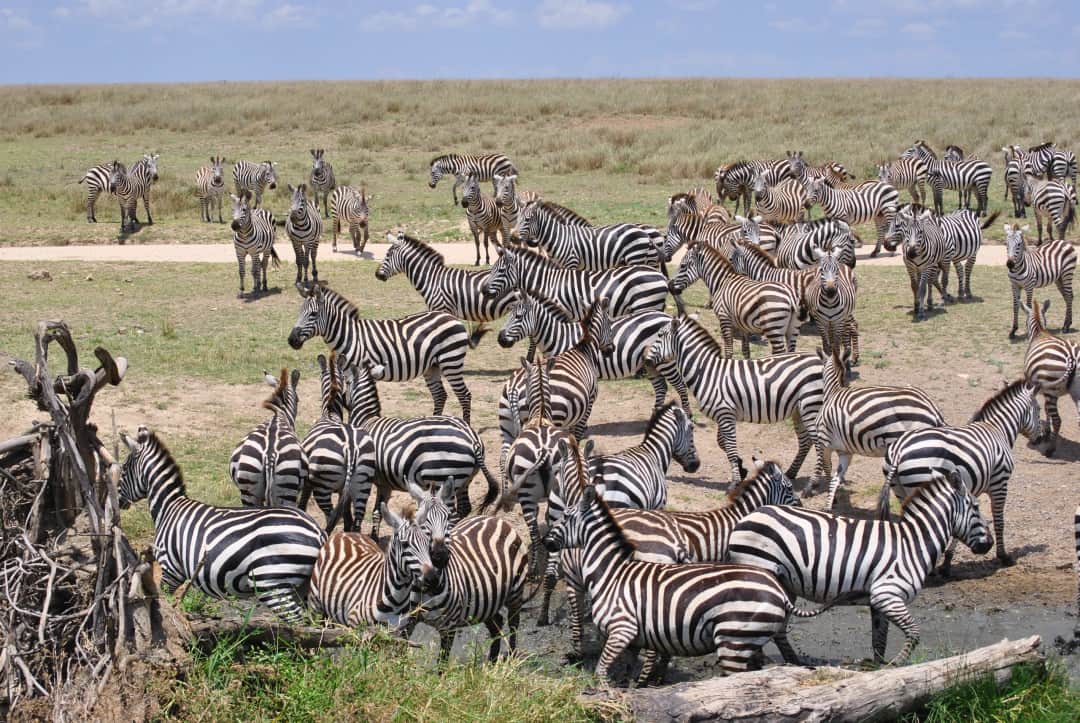
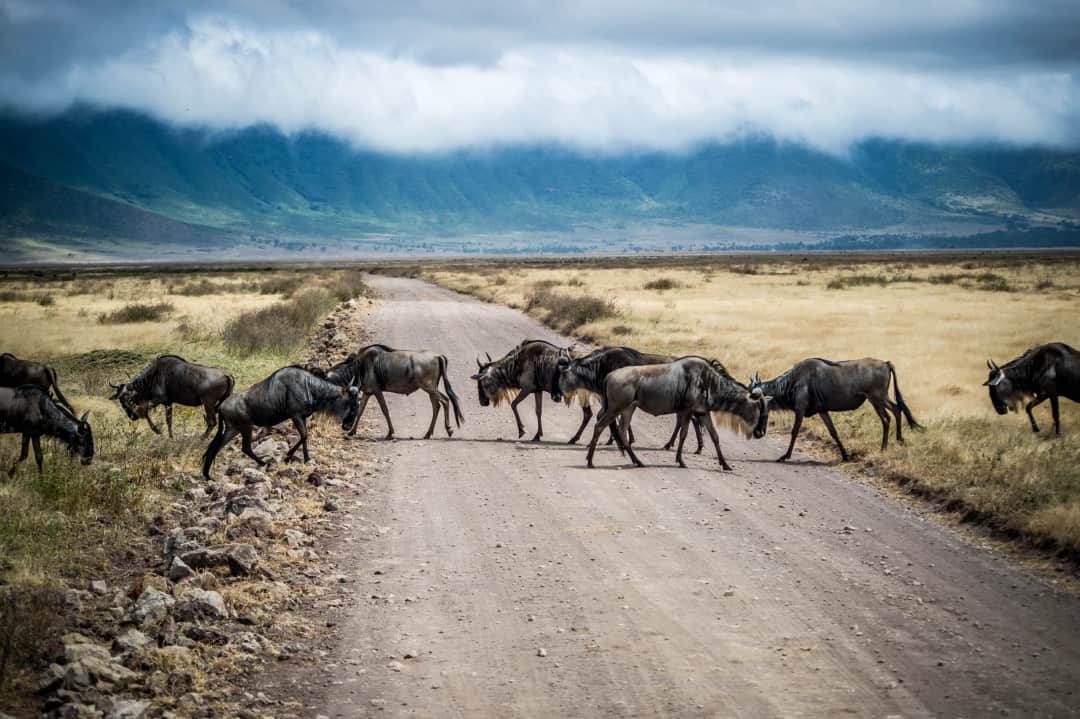
Between roughly July and October the wildebeest are in the north and the river crossings are what most first time visitors come for. Be realistic about them. Crossings are not scheduled. Herds mass on a bank for four hours and then think better of it, or cross back the way they came the next morning, and a driver who promises you a crossing on a given day is guessing. What those months do guarantee is an extraordinary quantity of animals on the ground, which is a better reason to come than the crossing itself.
The real decision when you book the Mara is not which camp but whether you stay in the national reserve or in one of the conservancies around it. The reserve is where the famous crossings happen and where the plains game is thickest, and it is the cheaper option. It is also busy: in high season a good leopard can draw a dozen vehicles, and both off road driving and driving after dark are prohibited. The conservancies are community land leased from Maasai families. They cap beds and vehicles, and they allow night drives, off road following and walking on foot. They cost more per night, sometimes a great deal more. Both are honest choices, and many people split a week between the two.
Getting there matters less than people expect. A light aircraft from Nairobi Wilson takes under an hour and lands on a grass strip in the middle of everything. The road takes five or six hours and the last stretch is rough, but it runs down through the Rift Valley and under the escarpment, which is a part of the trip rather than a chore.
Best time to visit
July to October is the Mara at full volume. The land is dry, the grass is short, the wildebeest and zebra are in from the south, and the odds of a river crossing are as good as they get. It is also when every camp is full, the reserve tracks carry the most vehicles, and prices are at their highest. If the migration is the point of the trip, aim for late July to early October and accept the company.
January and February are the short dry season and, for a lot of repeat visitors, the better time to be here. The herds have gone south, so the plains feel emptier, but the resident game does not leave and neither do the cats. Lion, cheetah and leopard are all easier to work with when there are fewer vehicles competing for the same sighting, and the light in these months is beautiful. If you care more about predators than about numbers, come now.
The long rains fall roughly from late March through May and the short rains around November. This is green season: deep grass, dramatic skies, migrant birds, newborn antelope and the lowest rates of the year. The honest drawbacks are real. Black cotton soil turns to something close to glue, tracks flood, long grass hides cats, and a few camps close entirely. If you have been on safari before and want the Mara to yourself, this is a genuine option. For a first safari it is a gamble.
One practical note that applies year round: mornings are cold enough for a fleece and afternoons are hot, and rain can arrive in any month. The Mara sits high enough that people who packed only for heat regret it on the first dawn drive.
High season
July through October is the peak, driven by the wildebeest herds, with August the busiest month of all. Christmas and New Year fill the camps again, and there is a smaller rise over the January and February dry spell. Conservancy camps stay quiet even in August because they cap their own bed numbers, which is a large part of what you are paying for.
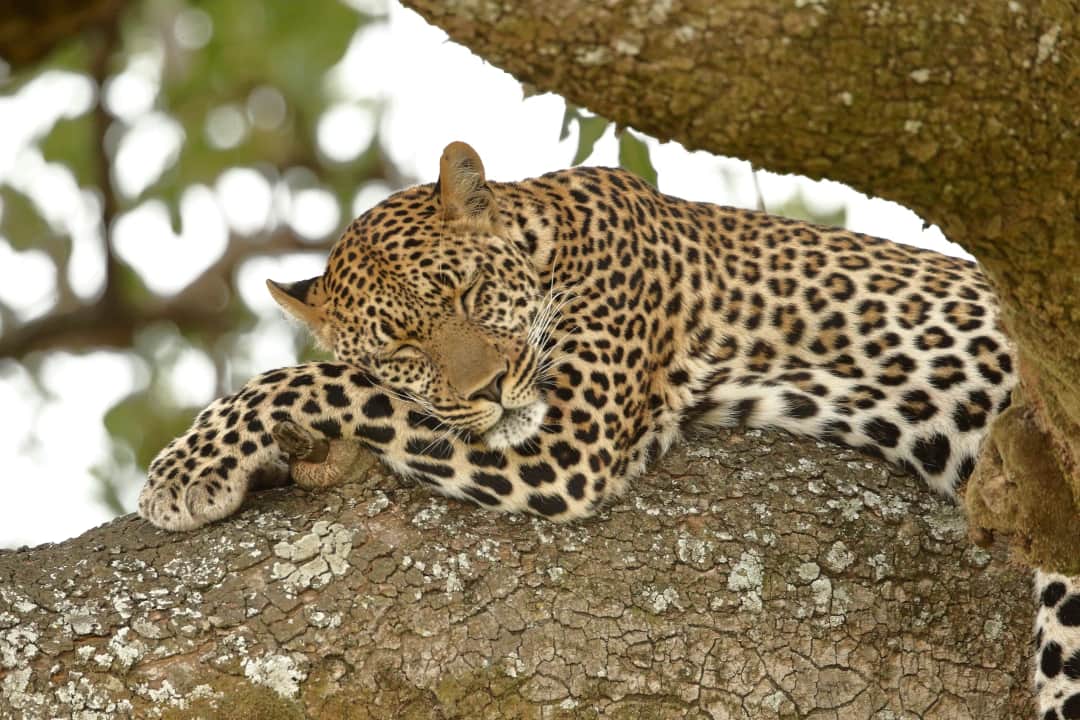
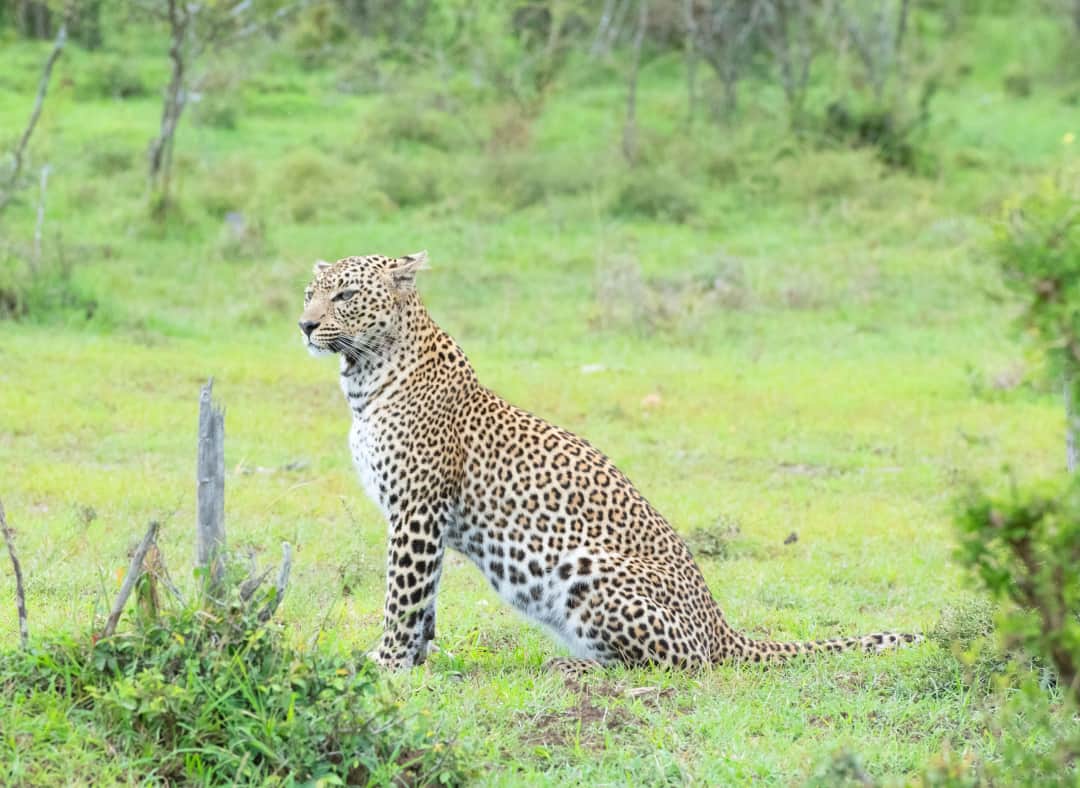
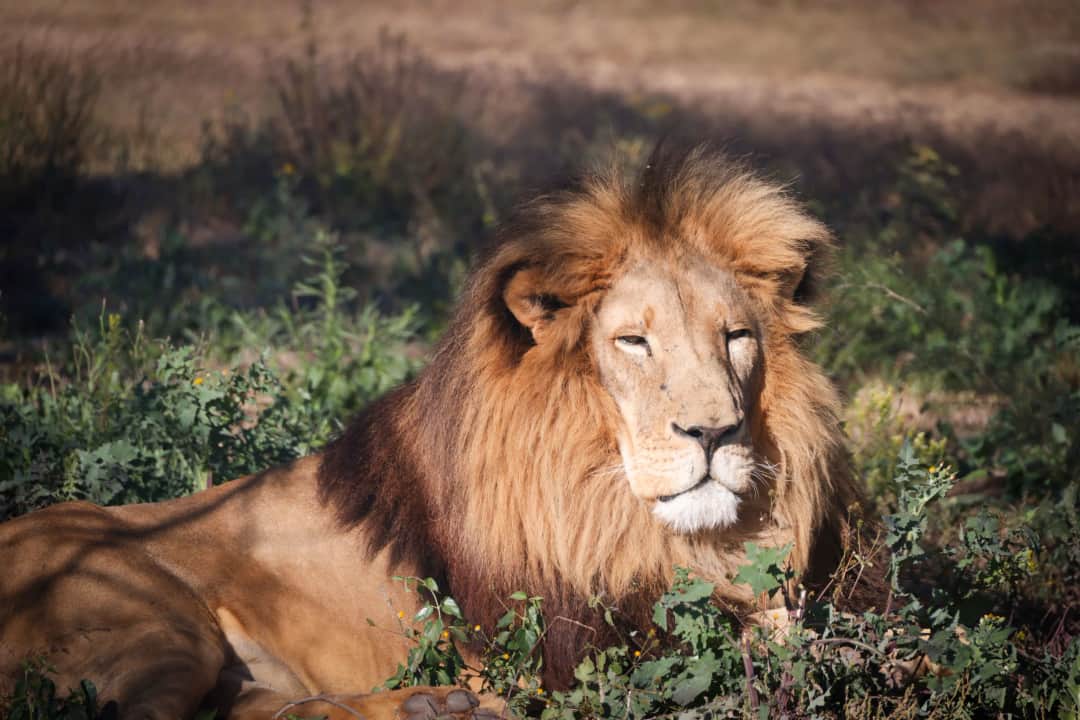
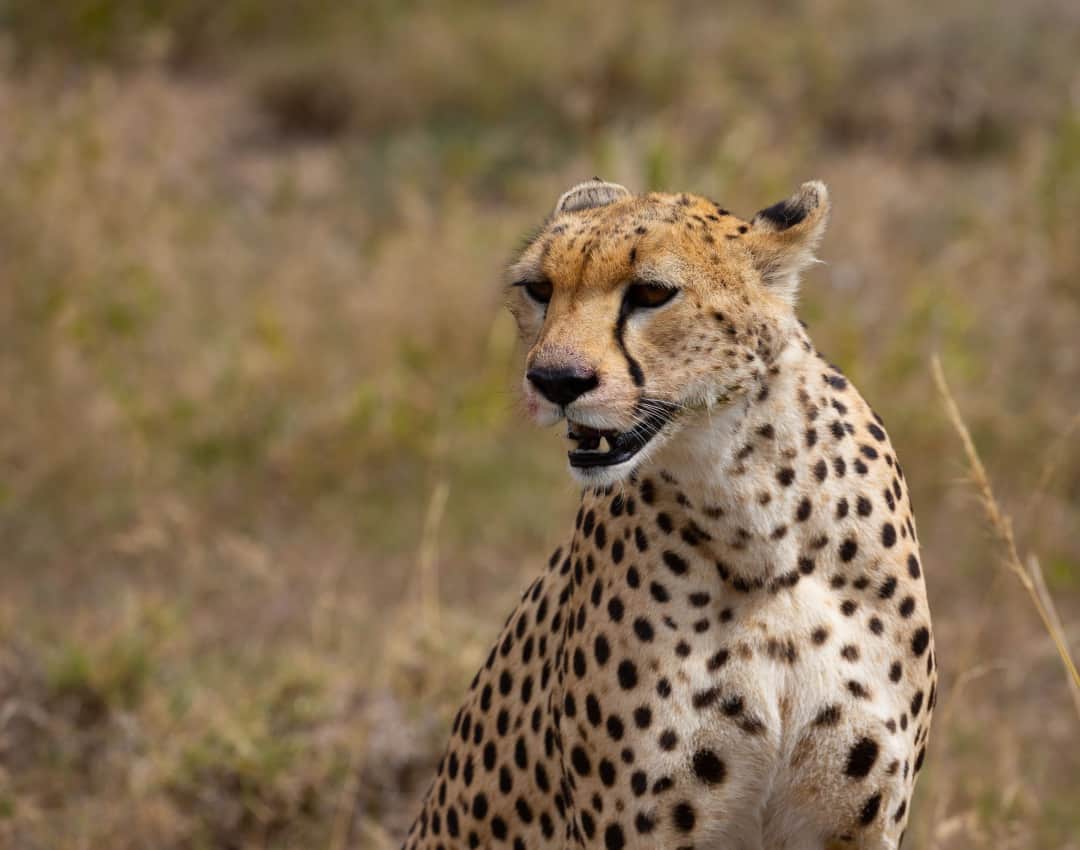
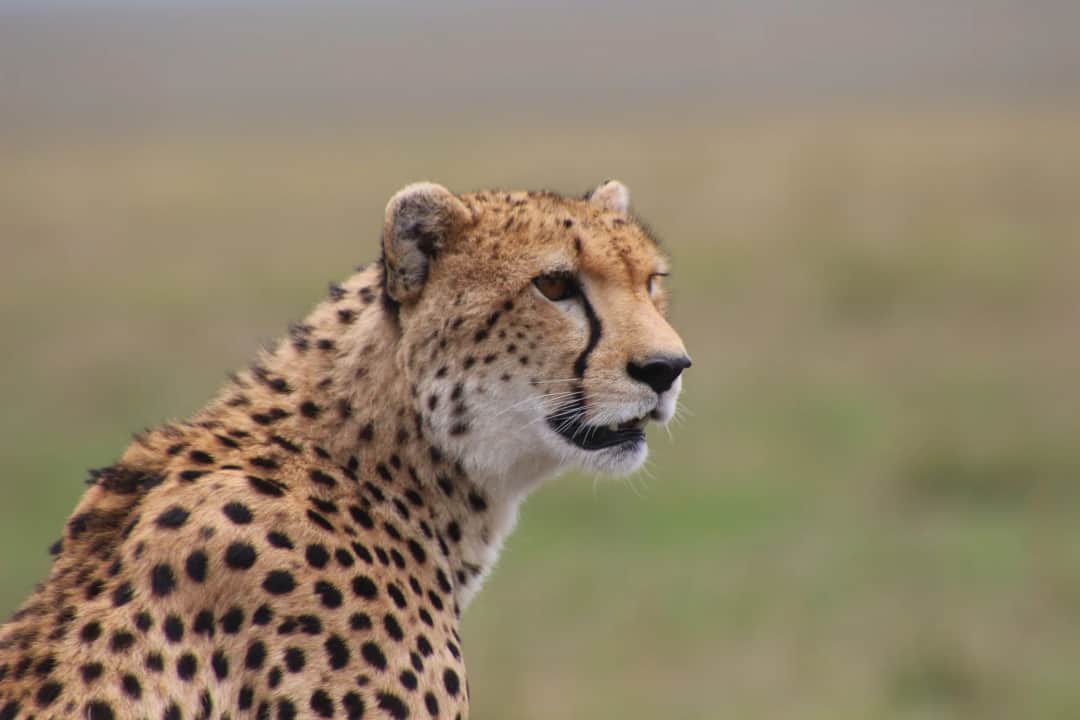
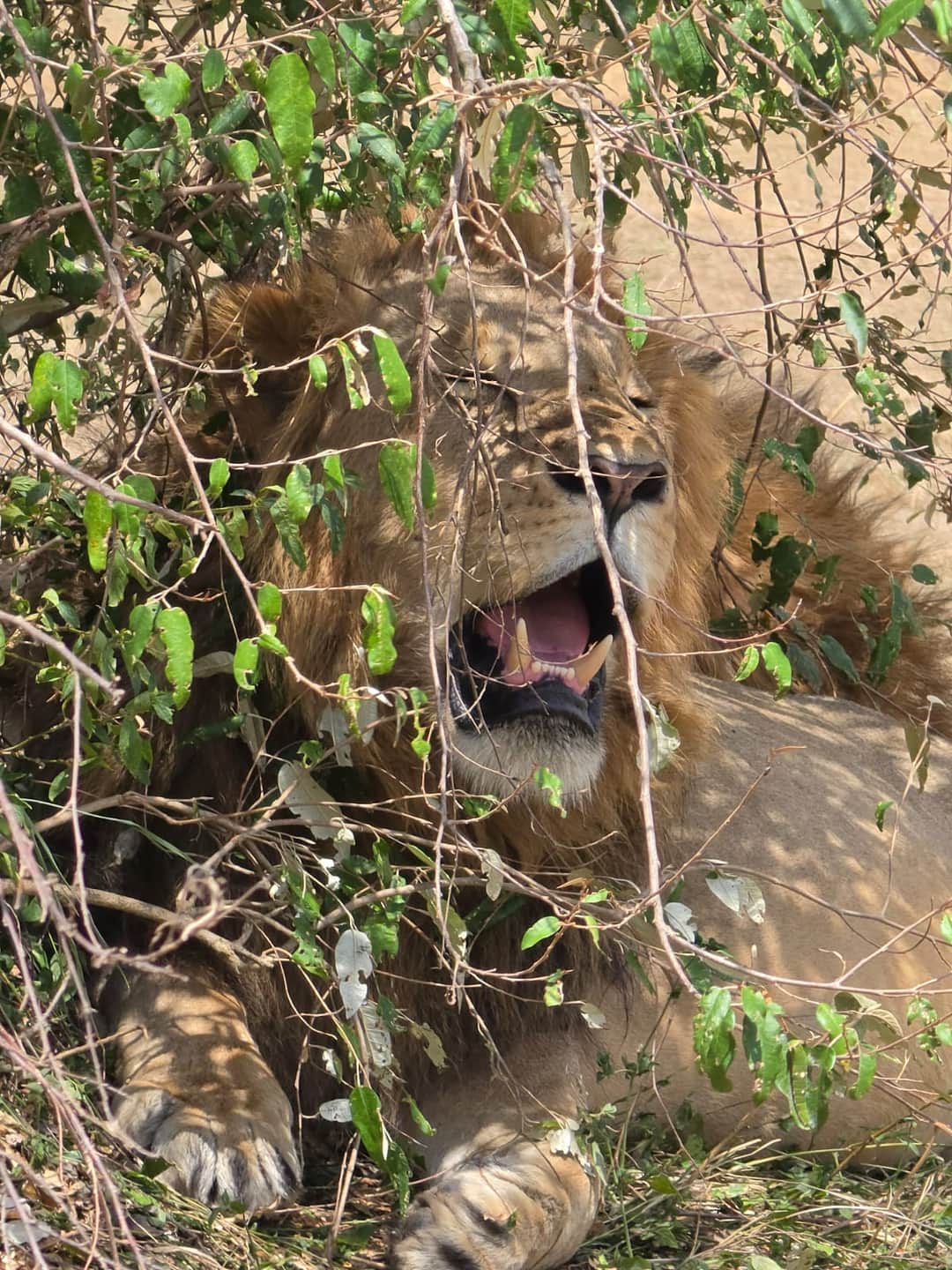
The Mara is a cat destination first and everything else second. Lion prides here are large and long established, and several have been watched by film crews and researchers for decades. The Musiara marsh in the north of the reserve and the open country around the conservancies to the north east are as reliable as African lion viewing gets. Cheetah favour the wide short grass plains where they can see and run, and the Mara is one of very few places where daytime cheetah hunts are watched regularly rather than hoped for. Leopard hold territories along the Talek and Mara rivers and in the thicker bush of the conservancies. Spotted hyena are everywhere and worth more attention than they get, because their clans are as socially complex as anything else on the plains.
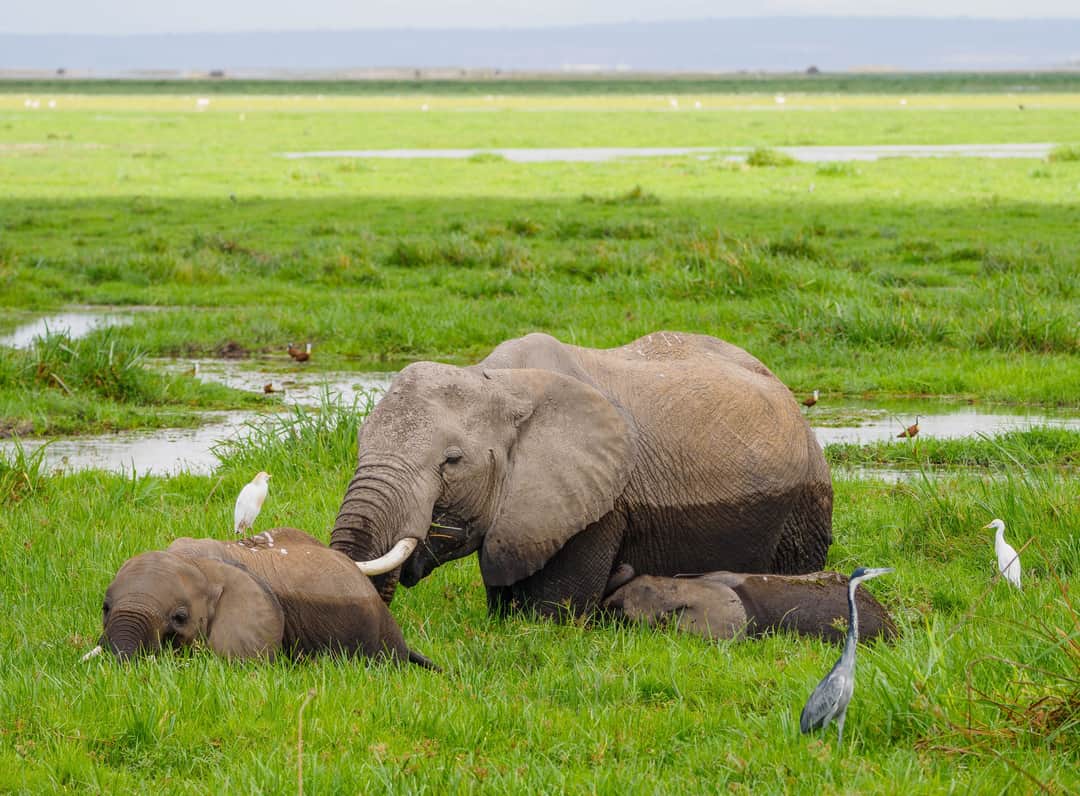
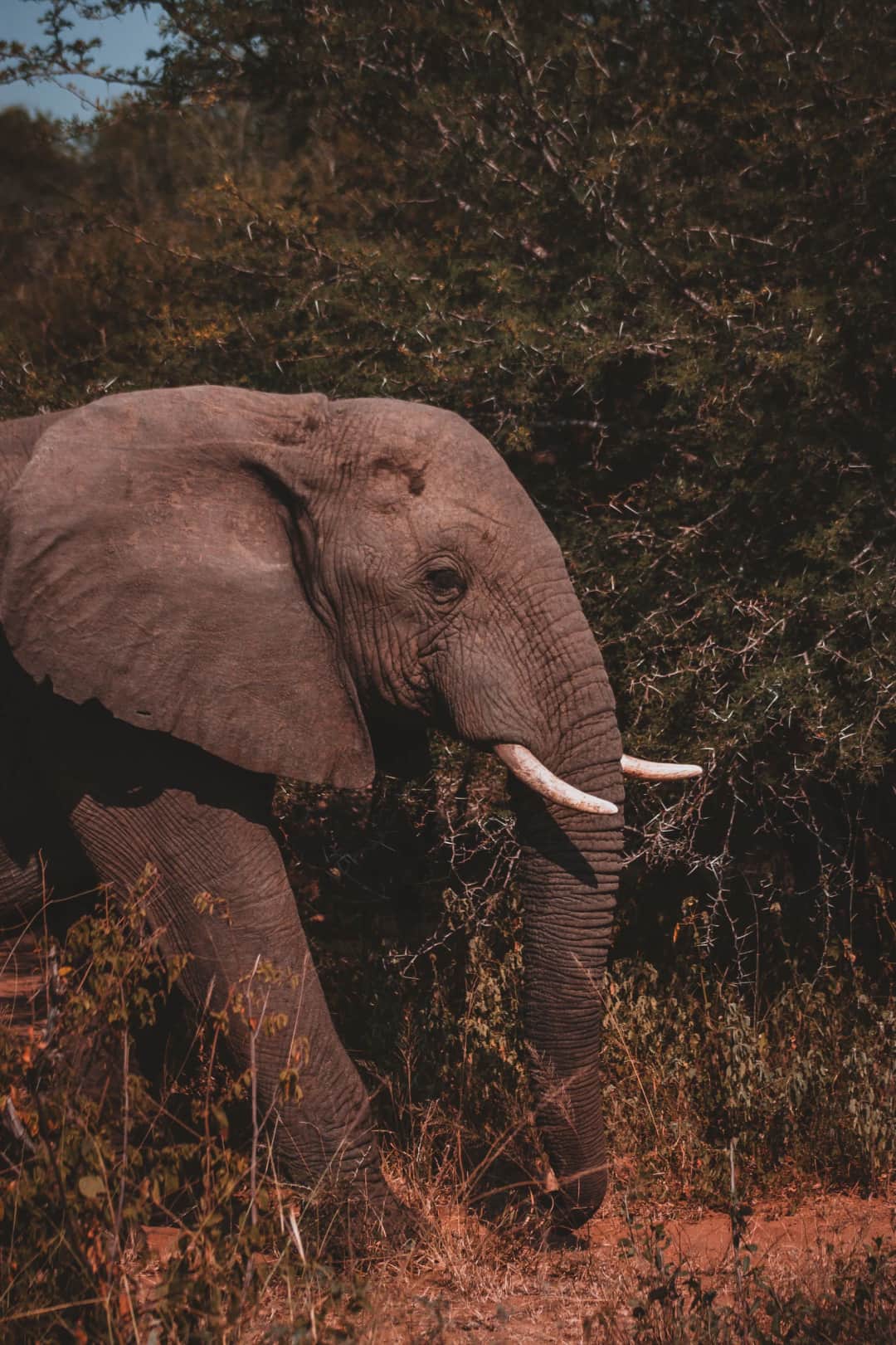
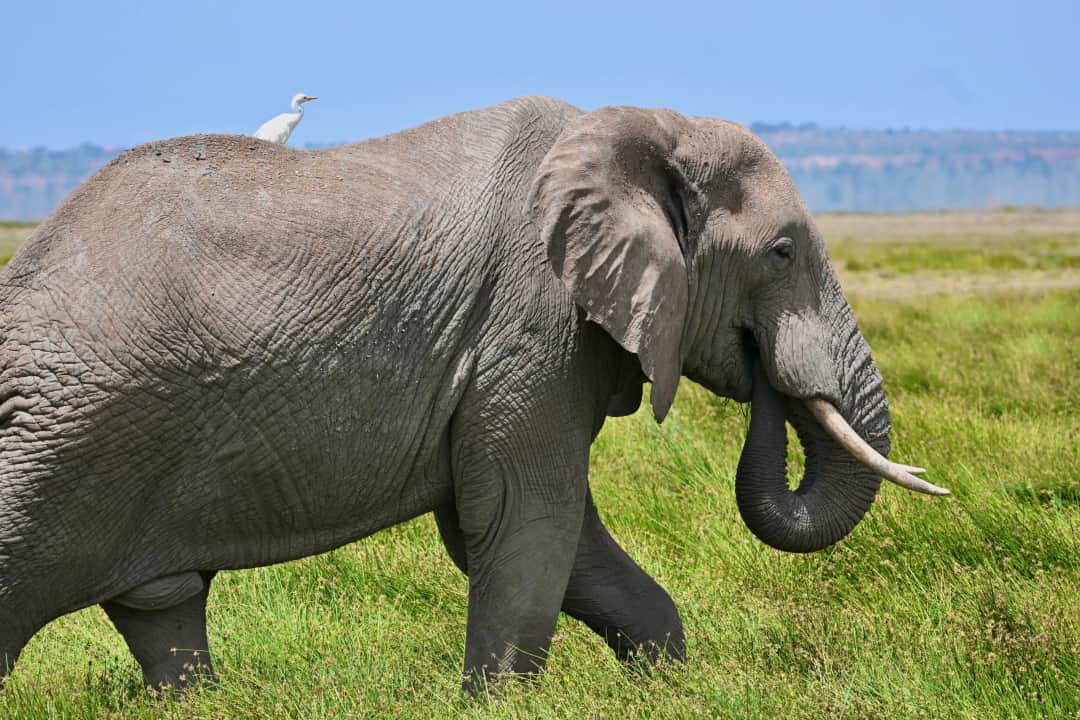
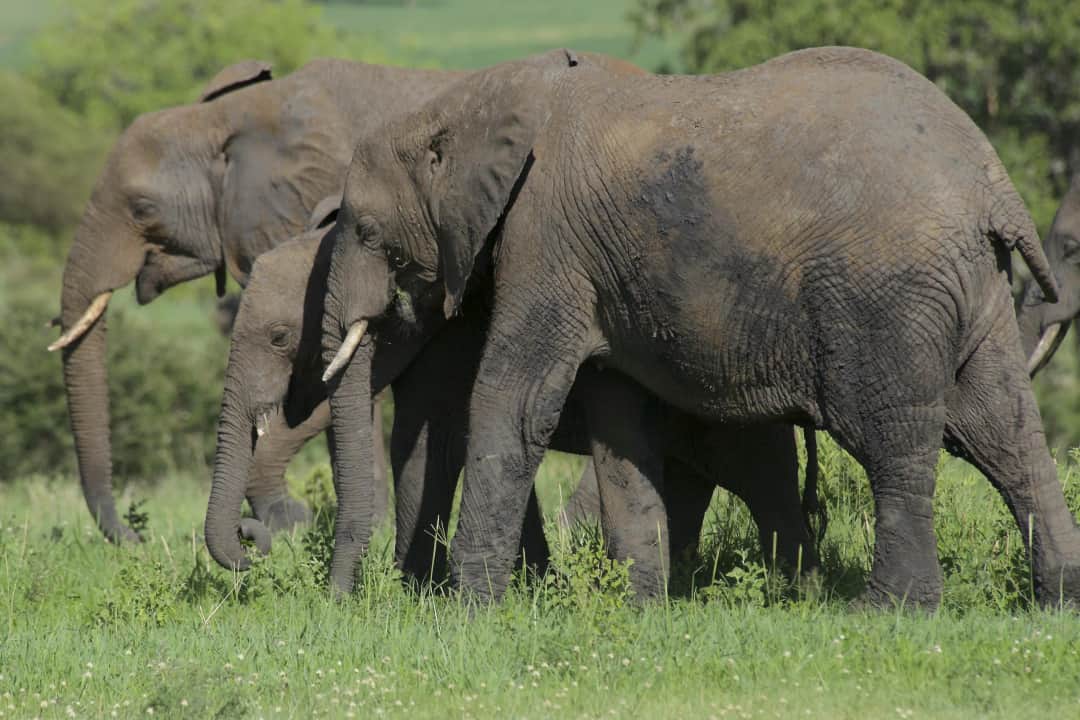
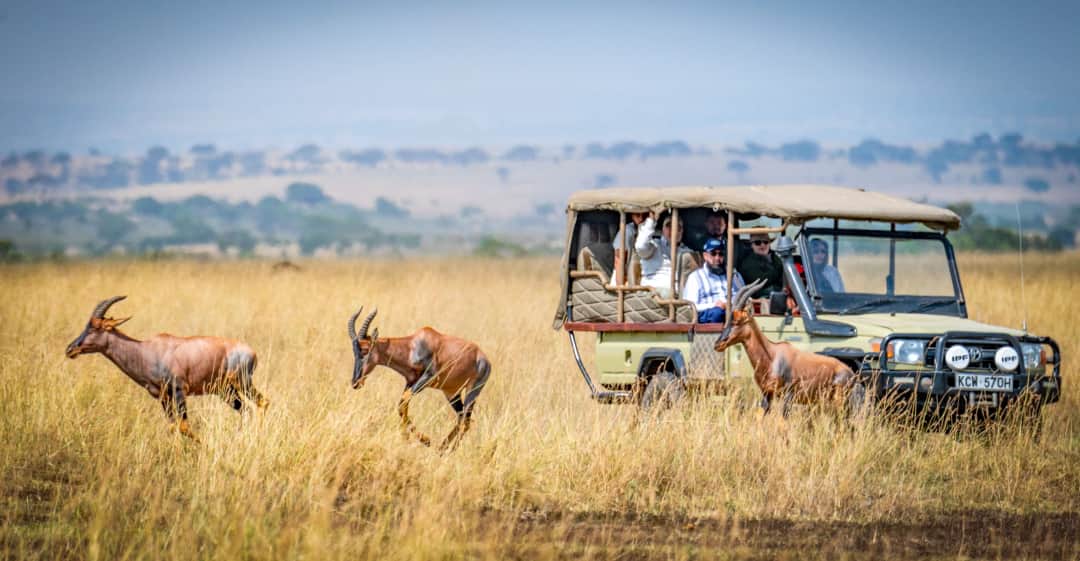
The plains game underneath all this is the reason the predators are here. Topi stand on termite mounds in numbers you will not see in many other parks, alongside Coke's hartebeest, eland, impala, Thomson's and Grant's gazelle, warthog, Maasai giraffe and buffalo. Elephant move through the reserve and the conservancies in family groups. The Mara and Talek rivers hold dense pods of hippo and some very large crocodiles, which is why the crossings are as violent as they are.
Be realistic about rhino. Black rhino survive in the Mara in small numbers, most reliably in the Mara Triangle on the west bank of the river, but they are shy, they favour thick cover and a sighting is luck rather than planning. Treat rhino as a bonus, not as the fifth box on a list.
Birding is excellent and badly under sold. Secretary birds stalk the grass, ground hornbills patrol in family parties, ostrich and kori bustard are common in the open, and the raptor list is long: bateleur, martial eagle, vultures at every kill. From November to April the resident species are joined by migrants, which is one more argument for the green season.
Game drives in the national reserve
The core of most Mara trips and the densest game viewing in Kenya. Drives run at first light and again in the late afternoon, because that is when cats move and when the light is any good. The reserve tracks cover the Musiara marsh, the Talek river, the Sand river and the plains between, and a good guide reads the day rather than driving a circuit. The trade off is company. Rules here prohibit leaving the track and prohibit driving after dark, so a kill in long grass fifty metres off the road is something you watch through binoculars along with everybody else.
The Mara Triangle
The western third of the reserve, across the Mara river and under the Oloololo escarpment, managed separately from the rest. It is noticeably better run: tracks are maintained, off road driving is enforced rather than merely written down, and there are far fewer vehicles because fewer camps sit on this side. It also holds the Mara's best chance of black rhino. If you want reserve game density without reserve crowds, the Triangle is the compromise most people never hear about.
Staying in a conservancy
Ol Kinyei, Naboisho, Olare Motorogi, Mara North and their neighbours are Maasai owned land leased to a small number of camps in exchange for a lease income that goes directly to landowning families. In return the conservancies limit vehicles at a sighting, limit beds per acre, and permit what the reserve does not: off road following, night drives and walking. The wildlife is the same wildlife, because there are no fences. You pay more per night and you get quiet, which for a lot of people turns out to be the thing they remember.
River crossings on the Mara and Talek
Between roughly July and October the herds move back and forth across both rivers and the crossings are as dramatic as their reputation, when they happen. The reality of watching one is a lot of waiting: vehicles line up at a known crossing point, thousands of wildebeest gather on the bank, and then either one animal commits and the rest follow in a stampede, or the whole herd drifts away. Bring patience, water and a long lens. Nobody can promise you this, and anyone who does is selling.
Hot air balloon at dawn
You are collected in the dark, the envelope inflates as the sky turns, and you drift low over the plains as the first light hits. It is the only way to understand how the Mara is put together, how the rivers wind, where the forest sits, how far the grassland runs. Landings are followed by breakfast in the bush. It is a significant extra cost on top of everything else, it is weather dependent, and opinions divide sharply between people who call it the best morning of their trip and people who would rather have spent the money on another night. If you take it, take it early in your stay so a cancelled flight can be rescheduled.
Walking and night drives
Both are conservancy activities and neither is permitted inside the national reserve, which is one of the strongest practical arguments for including a conservancy night or two. A walk with an armed guide and a Maasai tracker changes the scale of the place: you spend three hours on tracks, dung, plants and birds rather than on cats, and you finish knowing more than a week of driving would teach you. Night drives with a filtered spotlight bring out what the daytime hides, including genet, civet, white tailed mongoose, bushbaby, and lion and hyena actually hunting rather than sleeping.
Time with Maasai families
Almost every camp offers a village visit and the quality varies enormously. The staged versions, with a jumping dance and a hard sell of beadwork at the end, leave most visitors uncomfortable. The good version is arranged through a conservancy or through your camp's own staff, involves a smaller group and an actual conversation, and often takes place at a school, a cattle enclosure or a market rather than a purpose built enclosure. Ask directly whether the visit is community run and where the money goes. The answer separates the two immediately.
Combining the Mara with the rest of the circuit
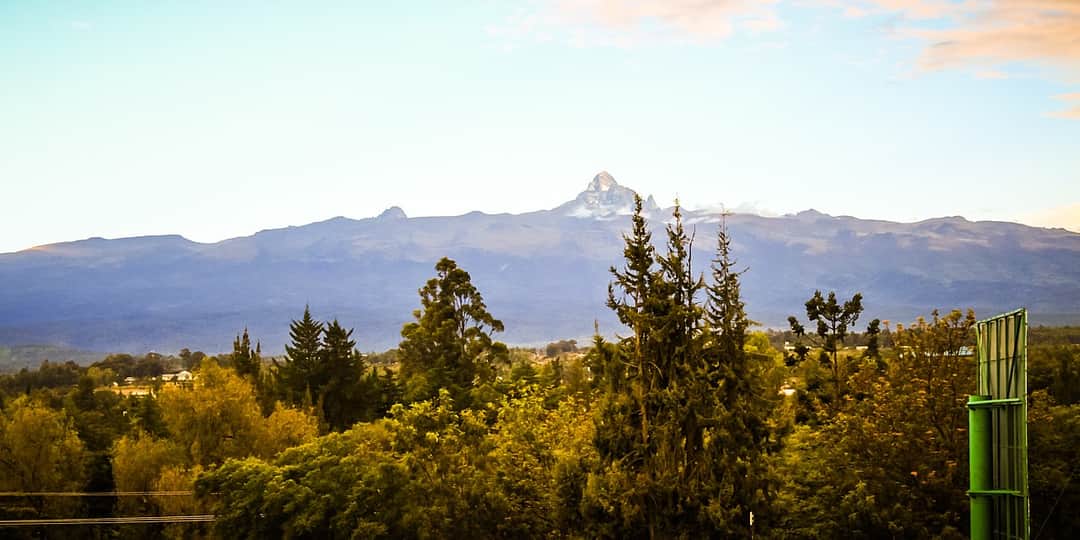
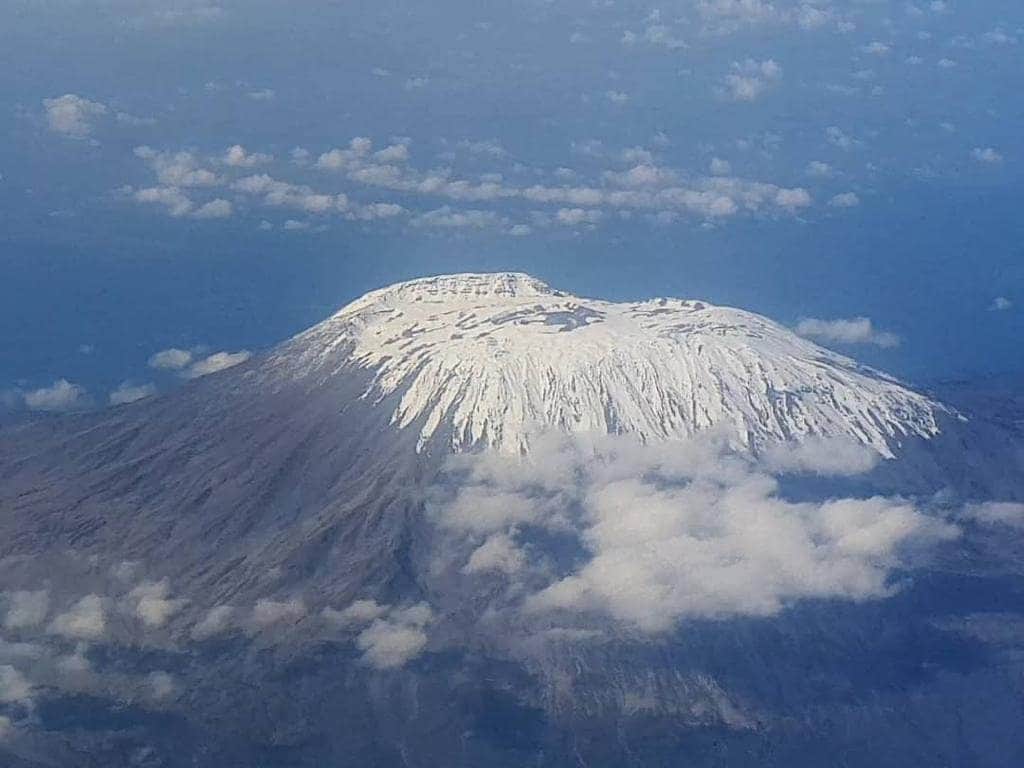
Very few people fly to Kenya for the Mara alone, and it links naturally in two directions. Southwards, Amboseli adds elephants and, on a clear morning, Kilimanjaro, and a six day Kenya loop pairing the two is the most common short itinerary sold. Westwards and across the border, the Mara and the Serengeti are the same ecosystem, and a longer Kenya and Tanzania itinerary lets you follow the herds instead of meeting them once. Adding a few days on the coast or in Zanzibar at the end is the standard way to finish, and after four dawn starts it makes more sense than it sounds.
National park
Maasai Mara
Take it with you
Everything on this page in one document you can keep, print, or send to whoever you are travelling with. No email required.
Stay in a conservancy if you can afford it and in the reserve if you cannot, and split your stay if the budget allows. The conservancies buy you fewer vehicles at a sighting, permission to leave the track and follow a hunting cat, night drives and walking safaris. The reserve buys you the highest density of plains game in Kenya, access to the river crossings, and a lower nightly rate. Neither is a mistake. The common pattern that works well is two or three nights in a conservancy for quiet and for the activities, followed by two nights in or beside the reserve during the migration months so you have the crossings within reach. Note that conservancy camps can usually drive into the reserve for the day, while reserve camps cannot use conservancy privileges, so the flow tends to run one way.
Roughly July to October, with August and September the most likely months, but that is a pattern rather than a timetable. The herds respond to rainfall and grazing, and rainfall in East Africa has become less predictable. Within a season the herds cross the Mara and Talek rivers repeatedly and in both directions, so a crossing can happen on any day the animals are in the north. What you can control is exposure. Give yourself three or four nights rather than two, stay within reasonable driving distance of the crossing points, and go out with a guide who is willing to sit for hours. What you cannot control is the wildebeest. Treat a crossing as a possibility you have given yourself a good chance at, not as an item on the itinerary.
Three nights is the sensible minimum and gives you five or six game drives, which is usually enough to see the cats properly. Two nights works but leaves no margin: one wet morning or one quiet day and you have spent a long journey for very little. Four or five nights is where the Mara really opens up, particularly if you are hoping for a river crossing or want to divide your time between a conservancy and the reserve. Longer than a week in one place is unusual unless you are photographing seriously, in which case people happily stay a fortnight.
They are two ends of one ecosystem, so the honest answer depends on what you want and when you are travelling. The Mara is much smaller, which means the game is concentrated and you spend less of your day driving. Its cat viewing is as good as anywhere in Africa and its conservancy model gives you activities the Serengeti largely does not offer in its national park. The Serengeti is vastly larger and feels wilder, with horizons that go on without a boundary in sight, and it holds the herds for far more of the year including the calving season in the south. If you have a week, the Mara is the easier and more efficient trip. If you have two weeks, doing both and following the herds across the border is better than choosing.
Fly if the budget stretches and you are staying three nights or fewer. The flight from Wilson airport takes under an hour and lands you at an airstrip inside the reserve or conservancy, so you can be on a game drive by mid morning instead of arriving worn out at dusk. Drive if you are on a longer overland itinerary, if you are travelling as a family or group where the per person cost of flying multiplies quickly, or if you want your own vehicle and driver for the whole trip rather than sharing a camp vehicle. The road runs five to six hours through the Rift Valley and the last section is corrugated and slow. It is not a hardship, but it is a full day at each end.
In the central reserve in August, yes, at times. A leopard in a tree beside a main track will collect vehicles quickly, and at a river crossing point in peak season you are joining a line. It does not ruin the trip, but it is not the empty wilderness the photographs imply. There are three practical ways around it. Stay in a conservancy, where vehicle numbers at a sighting are capped by rule. Stay in the Mara Triangle, which has far fewer camps than the eastern reserve. Or travel in the January to February window instead, when the game is still excellent and the traffic is a fraction of what it is in August.
Lion, leopard, elephant and buffalo are all realistic on a three night stay and many visitors see all four. Black rhino is the difficult one. They persist in low numbers, mainly in the Mara Triangle, they favour dense cover and they are genuinely scarce, so most visitors do not see one. It is worth saying that the Big Five is a hunting list from another era and it is a poor guide to what makes a safari good. A cheetah hunt on open grass, a leopard carrying a kill into a tree at dusk, or an hour with a hyena den will stay with you longer than ticking a species you glimpsed at four hundred metres.
Layers, more than you think. Dawn game drives in an open vehicle are cold enough for a fleece and a windproof, and by ten in the morning you will be in a shirt. Neutral colours are conventional and sensible, bright white and black are worth avoiding, and camouflage patterns should be left at home because they are restricted in parts of East Africa. Bring binoculars, one pair per person rather than one to share, because they change the experience more than any camera upgrade. Add a dust proof bag for camera gear, sunblock, a hat and a head torch. Laundry is available at almost every camp, so pack less clothing and more of everything else. If you are flying on a light aircraft, check the luggage limit before you pack, because soft bags are usually required and the allowance is lower than a commercial flight.