National park in Tanzania
Most northern Tanzania itineraries hand Tarangire a single day, usually the first one, on the way to Ngorongoro and the Serengeti. That is understandable and it is also why Tarangire is the most misjudged park in the country. Arrive in September and it can quietly outperform everything you see later in the week. Arrive in April and you can drive for two hours through genuinely lovely country, count a dozen impala and wonder what the fuss was about.
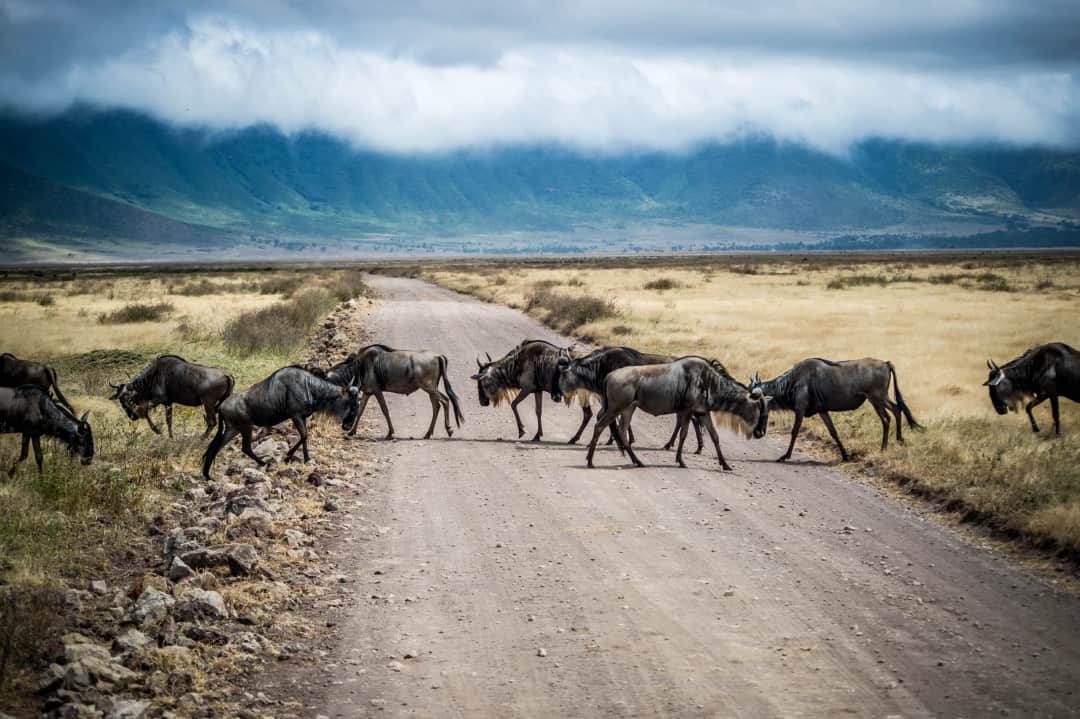
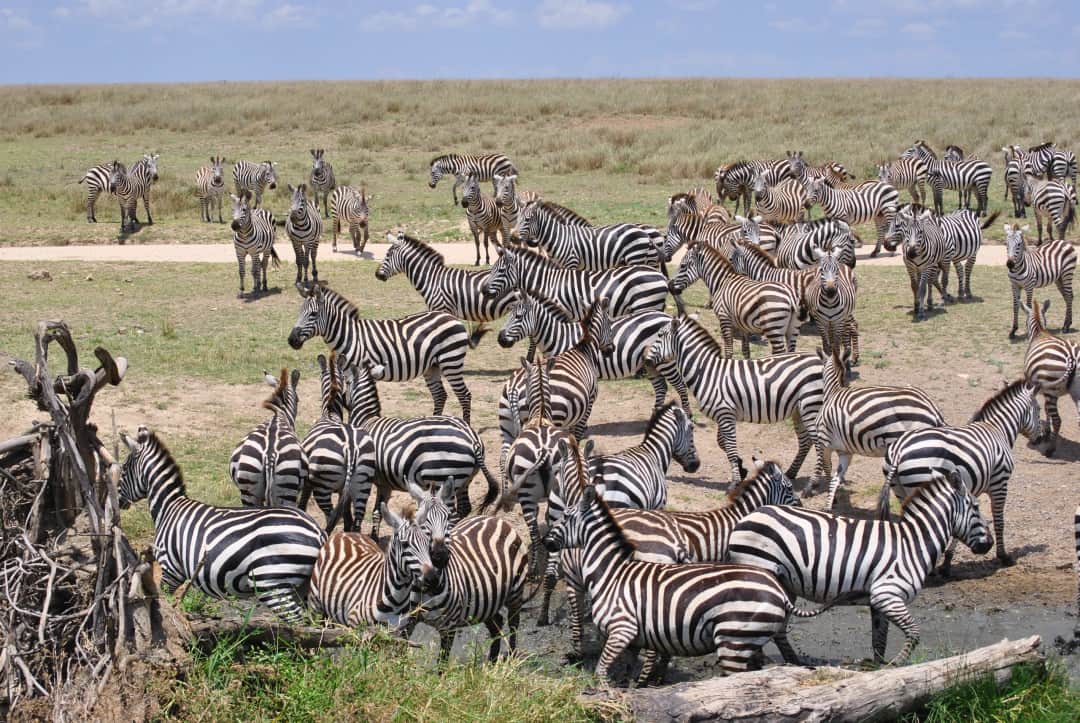
The reason is a river. The Tarangire River runs the length of the park and holds water, reduced in the worst months to a chain of pools and damp sand, long after the seasonal pans and sand rivers of the surrounding Maasai Steppe have dried out. From around June the wider ecosystem, which is many times larger than the park itself, begins to empty toward it. Zebra, wildebeest, buffalo, eland and above all elephant walk in from the plains to the east and north and spend the driest months within a day's walk of that riverbed. When the rains break they walk back out again. In most parks the season changes the odds. In Tarangire it changes where the animals live.
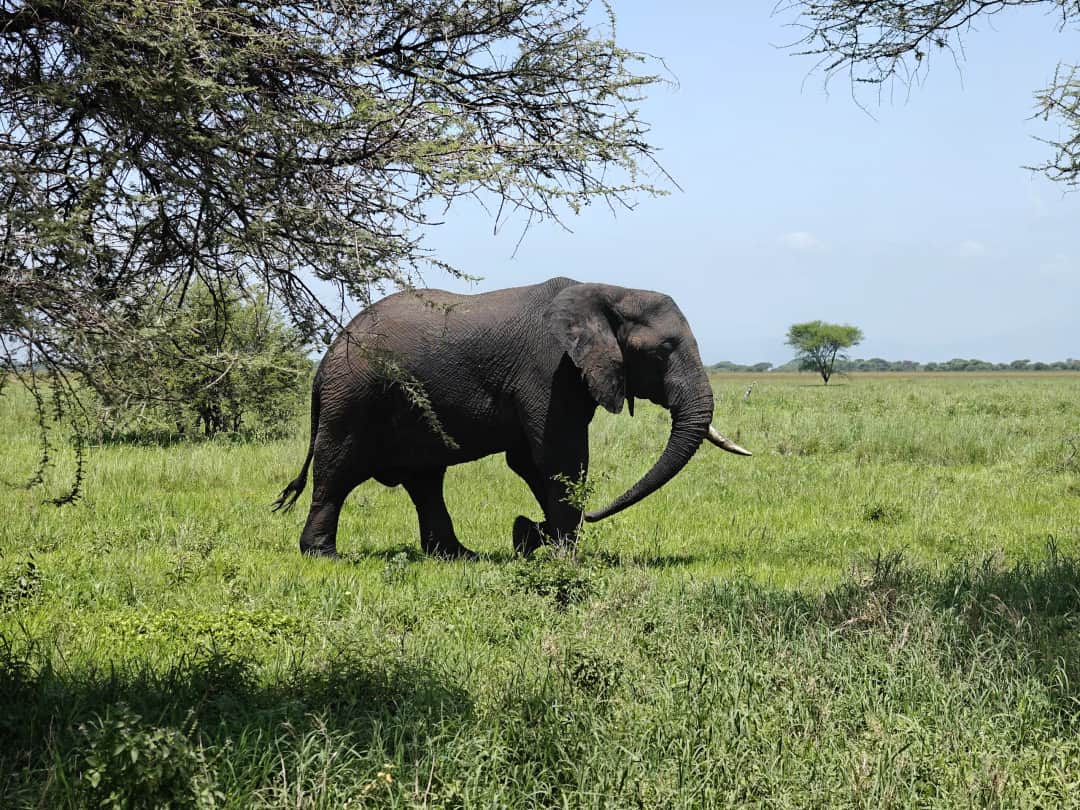
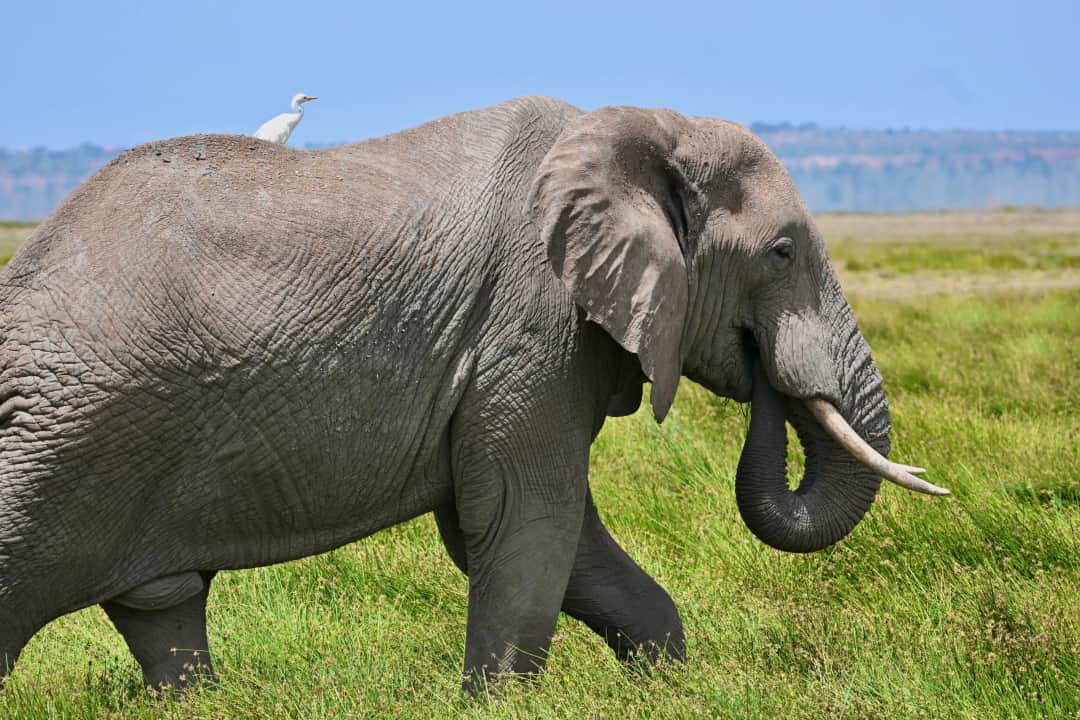
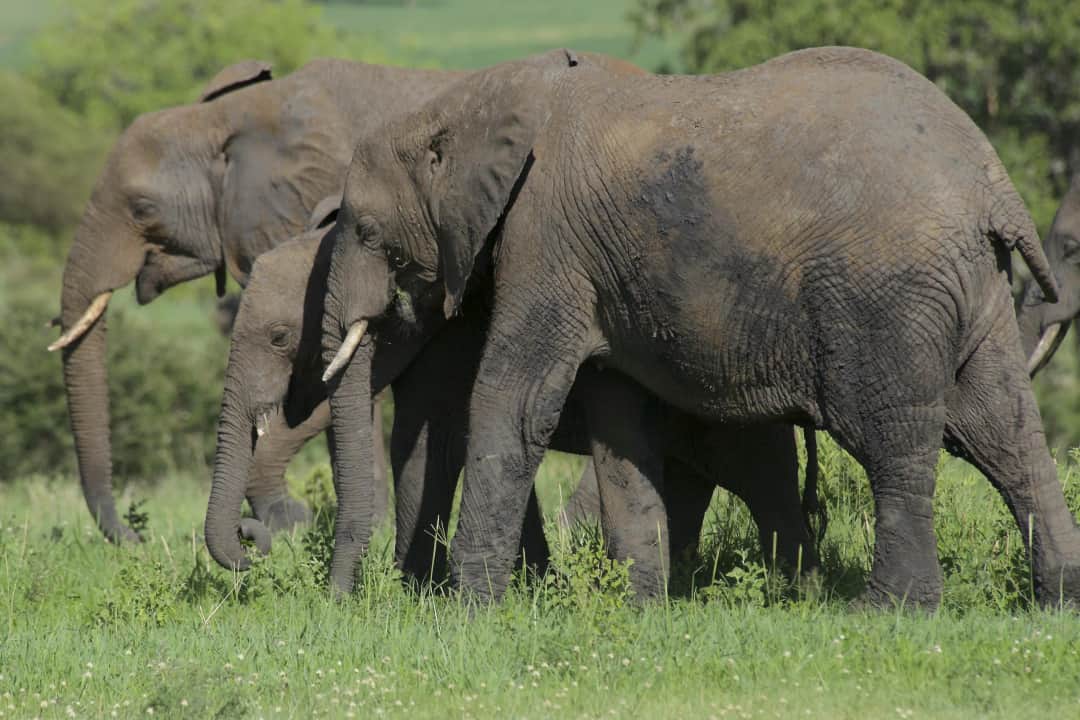
What you get in return for turning up at the right time is the best elephant viewing on the northern circuit and arguably in Tanzania. Not one or two family groups but sustained numbers: breeding herds stacked along the river, bulls in musth working through them, dozens of animals in view at once and, in a good September, more than that. They dig for water in the sand with their feet and trunks, and the holes they open become the water supply for everything else. Watching a matriarch queue-jump a dozen zebra at a hole she dug herself explains the park's food chain more clearly than any guidebook.
Then there are the baobabs. Tarangire has them in a density that no other northern circuit park comes close to, huge grey swollen trunks scattered across ridges and river terraces, many of them scarred where elephants have gouged the fibrous wood for moisture. They give the park a skyline that looks nothing like the open grassland everyone pictures when they think of Tanzania, and they are the reason photographers who have already been to the Serengeti come back here specifically. Add termite mounds the size of cars, some of them abandoned and taken over by dwarf mongoose colonies, and pythons draped along the branches of sausage trees, and the texture of the place starts to feel distinct rather than a warm-up act.
Geographically it is easy. The gate is roughly a two hour drive southwest of Arusha, just off the main road toward Manyara and the crater, which is exactly why the single-day version sells so well. It is also long and narrow, running many kilometres south from that gate, and almost all day visitors stay in the northern quarter. Understanding that one fact, and deciding whether to act on it, is most of what planning a Tarangire trip involves.
Best time to visit
June to October is not merely better here, it is a different park. By June the short and long rains are finished, the surrounding steppe has dried, and the movement toward the river is under way. July and August are excellent and busy. September and October are the peak of the concentration: the ground is hard and pale, the dust hangs in the light, and the density of animals along the river and around the southern swamps is as high as anywhere in Tanzania. October is the most extreme month in both directions, the best game viewing and the harshest conditions, with heat, dust and very little green anywhere.
The short rains usually arrive some time in November and the effect is fast. Within days of real rain the surrounding country has surface water again and the herds start leaving. November and December are green and beautiful, the light is better than at any other time and birding is superb, but the mammal viewing thins noticeably. January and February bring a drier break between the two rainy periods; the park is pleasant, the wildebeest and zebra are out on the Simanjiro plains east of the park calving rather than in front of you, and Tarangire is a decent stop rather than a highlight.
March to May is the long rains and it is the honest low point. Much of the ecosystem's plains game is simply not in the park. The grass is high, which hides what remains, the black cotton soil in the south turns greasy and some southern tracks become difficult or impassable, and a number of camps close. The landscape at this time is lush and photogenic and you may have it almost to yourself, but if wildlife is the point of your trip, this is the window in which Tarangire is the weakest link in a northern circuit itinerary.
So the practical rule is unusually blunt for a safari park. If your trip falls between June and October, give Tarangire more time, not less, and consider it a headline destination rather than a stopover. If your trip falls between March and May, one day is genuinely enough and you should spend the saved nights in the Serengeti or the crater highlands instead. November to February sits in between and depends on whether you care more about birds and green landscapes or about big herds.
High season
July through to early October is the busiest stretch, with August the peak as it is everywhere in northern Tanzania, plus a short spike over Christmas and New Year. The crowding is concentrated rather than general: the northern section within about an hour of the main gate absorbs nearly all the day visitors from Arusha, so late morning around the river viewpoints and picnic sites can feel busy. Drive an hour further south and most of that traffic disappears.
Elephants define Tarangire and the numbers in the dry season are the reason people who know Tanzania rate the park so highly. Family groups gather along the river in sustained concentrations, and because they are habituated and unbothered by vehicles you get long, close, unhurried sightings of calves, adolescents and old matriarchs behaving normally rather than moving away. Buffalo arrive in the same months in large herds, particularly around the southern swamps, and both draw predators.
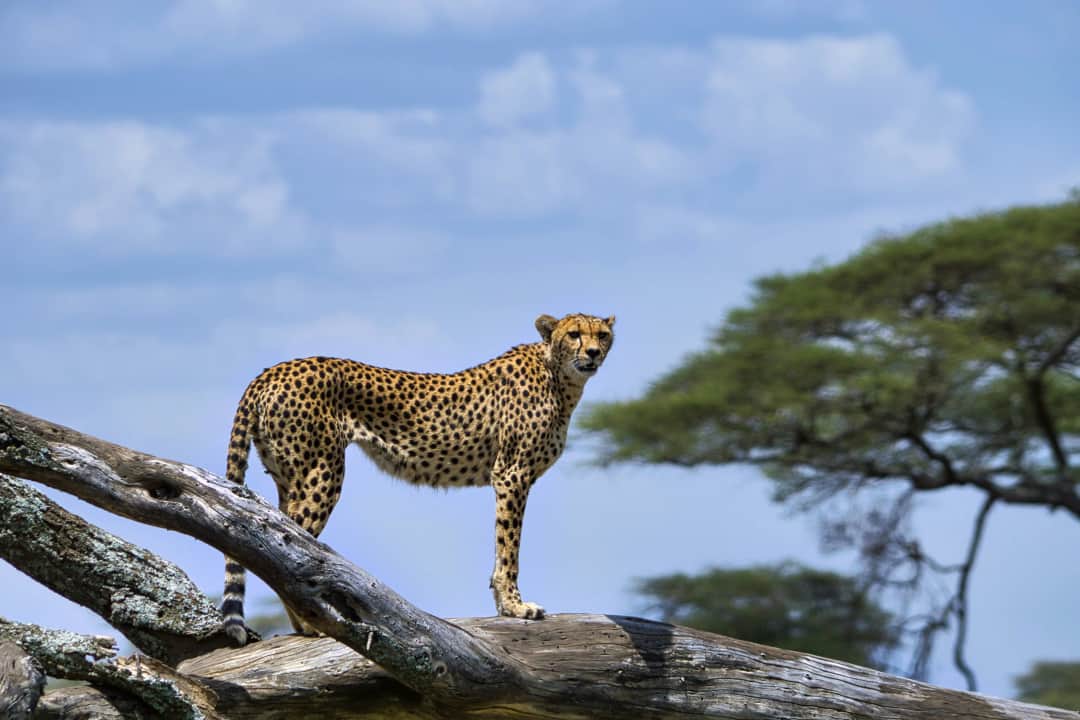
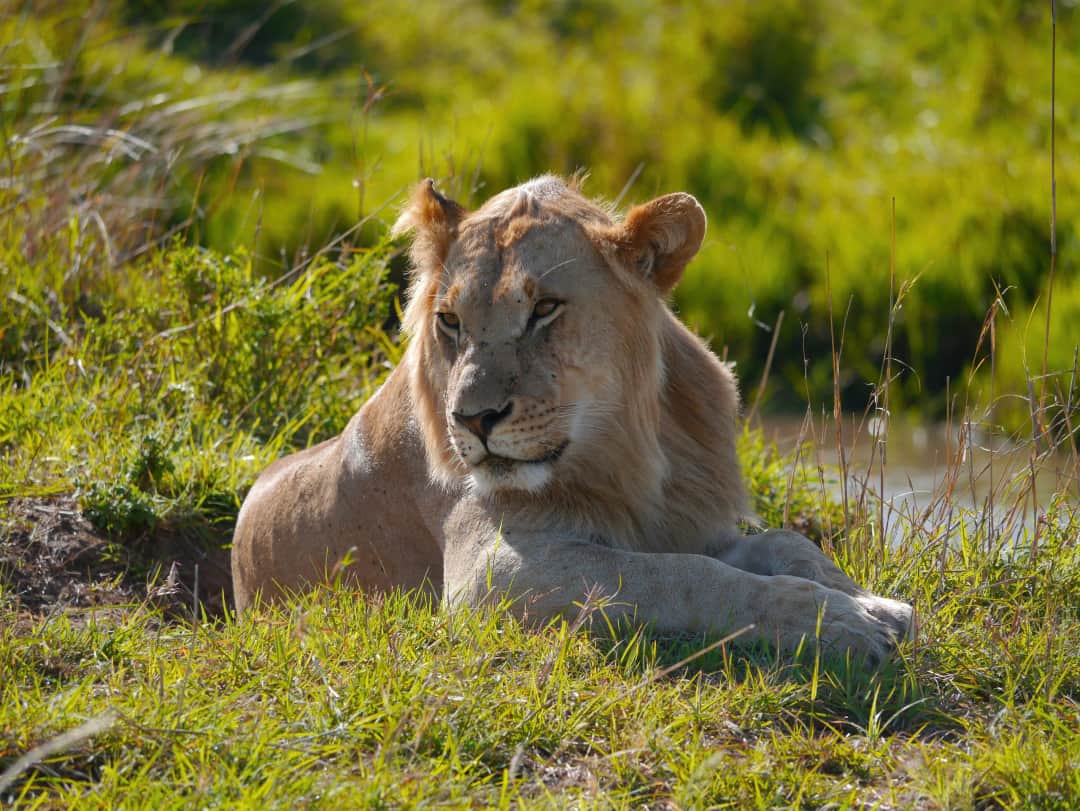
Lions are resident and often found on the river terraces and among the rock outcrops; the park has a reputation for lions that climb trees, which is opportunistic rather than reliable and should not be the reason you come. Leopard are present in the riverine woodland and seen far less often than people hope. Cheetah occur on the more open southern grasslands and are genuinely uncommon. Spotted hyena are widespread, and wild dog pass through the wider ecosystem occasionally, which makes any sighting a matter of luck rather than planning. There are no rhino in Tarangire, so the big five cannot be completed here and any operator implying otherwise is selling rather than informing.
The more interesting story is the dry-country species you will struggle to find elsewhere on the northern circuit. Fringe-eared oryx, gerenuk standing on their hind legs to browse, and both lesser and greater kudu occur here because Tarangire sits in the Maasai Steppe rather than on the volcanic grasslands to the west. Add the reptiles the park is known for, notably African rock pythons that lie along horizontal branches, and the mongoose colonies living inside old termite mounds, and a slow drive rewards attention rather than speed.
Birding is exceptional and runs on the opposite calendar to the mammals. More than five hundred species have been recorded, and the wet months from November to April bring migrants, breeding plumage and full swamps. Tarangire is one of the most reliable places anywhere for yellow-collared lovebirds and the ashy starling, both restricted to this part of Tanzania, alongside kori bustard, southern ground hornbill, hornbills of several species and a heavy raptor presence. If you are a birder, the months everyone else avoids are your months.
The Tarangire River circuit, north of the gate
This is the drive almost everyone does and it is popular for good reason. From the main gate the track follows the river north to south past viewpoints looking down onto the sand and pools, and in the dry months the animals come to you rather than the other way round. Expect elephant at close range, zebra and wildebeest waiting their turn at dug water holes, impala and waterbuck in numbers, and predators working the edges of it all. It is also the busiest stretch in the park, so the trick is timing rather than route: be on it at first light or in the last two hours of the day, when the day-trip vehicles from Arusha have not yet arrived or have already left, and the light on the baobabs is worth the early start.
Silale Swamp and the southern half of the park
Tarangire runs a long way south of the gate and the far end is a different experience: black cotton plains, open grassland and the permanent swamps around Silale, which stay green when everything else has gone the colour of dust. In the dry season this is where the biggest buffalo herds gather and where lion follow them, and the number of other vehicles drops to almost nothing. The catch is time. You cannot reach it properly on a day trip from Arusha, and even from a northern lodge it is a committing full-day drive with a packed lunch. This is what the second night in Tarangire actually buys you, and it is the single strongest argument against treating the park as a stopover.
A full day rather than a morning, with a picnic lunch
The default single-day product is a morning drive with lunch at a picnic site and a departure by mid-afternoon, which means you leave exactly as the park gets good again. A full-day permit with a packed lunch lets you push south during the quiet middle of the day, rest under a tree while the heat peaks, and be somewhere useful for the golden hour. It changes what you see rather than just how long you look. If your itinerary genuinely allows only one day here, negotiate for the full day rather than the half, and ask the operator to commit to it in writing, because half-day drives dressed up as full days are a common complaint.
Walking safari on the park boundary and in the adjoining conservation areas
Tarangire is one of the more accessible parts of northern Tanzania for getting out of the vehicle, either in designated areas with an armed ranger and licensed guide, or in the community-managed conservation areas that border the park to the north and west. Walking here is not about ticking off big animals; it is about the things a vehicle drives straight past. Tracks in the dust that tell you what came through in the night, the architecture of a termite mound, medicinal plants, the sheer scale of a baobab at arm's length, dung beetles at work. Most people who do a walk describe it as the part of the trip they talk about afterwards, and it is a good use of the afternoon of an arrival day.
A night drive for the animals the day never shows you
Night drives are permitted in and around Tarangire in a way they are not in the Serengeti or the crater, generally run from camps in the bordering conservation areas or under specific arrangements inside the park. Under a spotlight the cast changes completely: genets, civets, white-tailed mongoose, bushbabies bouncing between branches, springhares, sometimes porcupine, and with real luck the aardvark or aardwolf that almost nobody sees in daylight. Lion and leopard behave differently after dark too, hunting rather than sleeping. It is a couple of hours, it costs extra, and it is one of the few genuinely novel things you can add to a standard northern circuit.
Birdwatching in the months everyone else skips
From November to April the swamps fill, migrants arrive from Europe and Asia, resident species come into breeding plumage and the park turns into one of the better birding destinations in East Africa. Yellow-collared lovebirds moving in noisy green flocks and ashy starlings around the acacias are the two most sought-after residents, both largely confined to this corner of Tanzania. Beyond them expect kori bustard walking the open ground, southern ground hornbill in family parties, bee-eaters, rollers, storks massing around the swamp edges and raptors on every other dead tree. Ask for a guide with birding experience specifically; it is not a given and it makes the difference.
Photographing the baobabs and the escarpment light
The baobab is the reason Tarangire photographs unlike anywhere else on the circuit, and it rewards planning rather than luck. The trees stand well spaced on ridges and terraces, which means clean silhouettes at dawn and dusk and, if you position for it, elephants passing beneath a trunk several metres across. Look for the deep vertical scarring where elephants have stripped the bark for moisture, and for the trees that have finally collapsed under it. The escarpment viewpoints above the river are the other reliable set piece, giving the elevated angle that turns a line of elephant on the sand into a picture rather than a record shot. Late afternoon into dusk in the dry season, with dust in the air, is the window.
Sleeping inside the park versus the community areas outside
This is the decision that shapes a Tarangire visit more than any other. Lodges and camps inside the park put you on the river at dawn before the gate traffic arrives and let you reach the south realistically, which is worth a great deal in the dry season. Camps in the community conservation areas just outside the boundary are usually less expensive, sit on land through which the same wildlife moves, and can offer walking and night drives that the park itself restricts, at the cost of a drive in each morning. In practice: if you are here between June and October and want the wildlife, sleep inside. If you are here in the green months or want to be out of the vehicle, outside is often the better trip.
National park
Tarangire National Park
Take it with you
Everything on this page in one document you can keep, print, or send to whoever you are travelling with. No email required.
One day works and it is how most itineraries are built, but it only shows you the northern quarter of the park within an hour or so of the gate, which is also where every other day vehicle is. A second night changes the trip in a specific way: it lets you drive south to the Silale swamps and the open plains, where the biggest buffalo herds and the quietest roads are, and it gives you a dawn and a dusk in the park rather than a mid-morning arrival and a mid-afternoon departure. In the dry season that extra night is one of the better value additions on the whole northern circuit. Between March and May it is not, and one day is honestly enough.
June to October, and the difference is larger here than at almost any other Tanzanian park. As the surrounding Maasai Steppe dries out, the Tarangire River becomes one of the only dependable water sources for a very large area and wildlife concentrates along it in numbers that build through the season. September and October are the peak of that concentration and also the hottest and dustiest months. If you have flexibility in your dates and Tarangire matters to you, choose these months and give the park more time than the standard itinerary suggests.
It depends entirely on what you want. From November to April the park is beautiful, the light is better, the grass is high and green and you will share it with very few other vehicles, and the birding is genuinely world class with migrants present and swamps full. What you will not see is the elephant and plains game concentration the park is famous for, because much of that population has walked out of the park into the wider ecosystem. If your trip falls in the long rains from March to May and your priority is wildlife, put your nights into the Serengeti or Ngorongoro and pass through Tarangire in a day. No honest operator should tell you otherwise.
Out into the wider Tarangire ecosystem, which extends well beyond the park boundary. Once the rains put surface water across the surrounding country, animals no longer need the river, and the wildebeest and zebra in particular move east onto the Simanjiro plains to calve on short, mineral-rich grass, while others spread north and west. This annual movement in and out of the park is what makes Tarangire's seasonality so severe compared with a park that holds its wildlife year round. It is also why the corridors between the park and those dispersal areas matter so much for the park's future, and why land use outside the boundary is a live conservation issue.
In the dry season, a lot, and in family groups rather than singles. It is normal in September to have several dozen in view at once along a stretch of river, with different herds arriving and leaving through the day, and to spend an hour parked at one water hole without wanting to move. They are relaxed around vehicles here, which means you watch normal behaviour: calves learning to use their trunks, mud bathing, bulls testing each other, matriarchs digging into the sand for water. In the wet season the picture is very different and you may see a handful of animals in a full day. This single contrast is the most important thing to understand before booking Tarangire.
No. There are no rhino in Tarangire, so four of the five is the realistic ceiling. Elephant and buffalo are close to certain in the dry season and lion are seen on most full days. Leopard are present in the riverine woodland but seen far less often than visitors expect, and require luck and a patient guide. If completing the big five is important to you, that is an argument for adding Ngorongoro Crater to your itinerary rather than for skipping Tarangire, and it is worth being sceptical of anyone who promises the full set anywhere.
They are present, particularly in the thicker woodland, and they are the one complaint that comes up repeatedly about this park. The bite stings more than a mosquito and they are persistent around a slow-moving vehicle. Practical measures help more than people expect: avoid dark blue and black clothing, which attracts them strongly, keep to neutral colours, close windows through the worst patches and carry a long-sleeved layer. They are seasonal and patchy rather than everywhere, and many visitors barely notice them, but it is worth packing for the possibility rather than being surprised by it.
The main gate is roughly a two hour drive southwest of Arusha on good tarmac for most of the way, which makes a day trip entirely practical and is why so many are sold. A realistic day looks like an early departure, arrival mid-morning, a drive through the northern section, lunch at a picnic site and a departure in mid-afternoon. It is a genuinely good day out in the dry season. Its limitation is that you never reach the southern half of the park and you miss both the first and last light, which are the two best hours. If Tarangire is your only park, stay a night. If it is one of four, a day trip is a fair compromise.
They are close together and often sold as alternatives on the same day of an itinerary. Tarangire is much larger, has far more wildlife in the dry season and is the clear choice from June to October, especially for elephant. Lake Manyara is small and can be covered in half a day, but its groundwater forest, lake shore and flamingos give it a different character and it holds up better in the wet months when Tarangire has emptied out. The short version: dry season, choose Tarangire without hesitating. Wet season, Manyara is the more reliable half day, or combine both and accept that neither will be at its best.