Northern Africa
Egipto es el único país de África construido completamente en torno a un río y los monumentos que lo bordean: las pirámides de Giza y la Esfinge se encuentran al borde de El Cairo, Luxor alberga Karnak y el Valle de los Reyes, y los templos excavados en la roca de Abu Simbel se alzan cerca de la frontera con Sudán. Un crucero por el Nilo o un paseo en faluca entre Luxor y Asuán conecta la mayoría de estos lugares sin largos trayectos por carretera. Es el único sitio en el continente donde monumentos de esta escala y antigüedad sobreviven en su ubicación original y no en un museo. Si a eso le sumas la costa del Mar Rojo en Hurghada, Sharm El Sheikh y Dahab, donde el buceo y el snorkel en arrecifes están entre los mejores del mundo, Egipto combina historia y playa como Tanzania combina safari y playa, todo en un solo viaje y sin grandes retrocesos. La infraestructura turística aquí es la más desarrollada de África fuera de Sudáfrica: vuelos directos a El Cairo, Luxor y los resorts del Mar Rojo, inglés hablado en todos los sitios y hoteles, y un circuito bien establecido El Cairo-Luxor-Asuán-Mar Rojo que los viajeros primerizos pueden seguir sin mucha improvisación.
Traducido · Ver original
¿Dónde está Egypt?
Mejor época para visitar
De octubre a abril es la mejor época: las máximas diurnas en Luxor y Asuán bajan de los más de 40°C del verano a los 30°C bajos o medios, y El Cairo se mantiene en los 20°C altos, lo suficientemente agradable para pasar el día recorriendo Karnak o la meseta de Giza. De diciembre a febrero es el tramo más agradable en el Nilo, con noches frescas ideales para navegar en faluca, aunque las noches en el desierto cerca de Asuán y en el Desierto Occidental pueden ser sorprendentemente frías. La costa del Mar Rojo es cálida casi todo el año, ya que está protegida por el desierto a ambos lados, así que el buceo en Hurghada y Sharm El Sheikh es perfecto incluso en verano, cuando el Valle del Nilo es demasiado caluroso para hacer turismo cómodamente.
Temporada alta
De diciembre a febrero, más las semanas de Navidad, Año Nuevo y las vacaciones de invierno europeas, es la temporada alta: los barcos de crucero por el Nilo y los templos de Luxor reciben la mayor cantidad de visitantes, y las ciudades costeras del Mar Rojo se llenan de europeos buscando sol y escapando del invierno. Las cabinas en los cruceros por el Nilo y los vuelos extra a Abu Simbel conviene reservarlos con antelación en estas fechas.
La vida silvestre no es la razón para visitar la parte continental de Egipto; el Valle del Nilo y el desierto son más sobre paisajes y monumentos que sobre animales, aunque garzas, martines pescadores y garcetas frecuentan las orillas del río y los damanes toman el sol en los afloramientos de granito de Asuán. El Mar Rojo es la gran excepción: los arrecifes frente a Hurghada, Marsa Alam y Dahab albergan una impresionante diversidad de corales y peces, los encuentros con delfines son habituales en las excursiones en barco desde Hurghada y Sharm El Sheikh, y los lechos de pastos marinos de Marsa Alam son uno de los lugares más fiables del mundo para hacer snorkel con dugongos.
Pirámides de Giza y la Esfinge
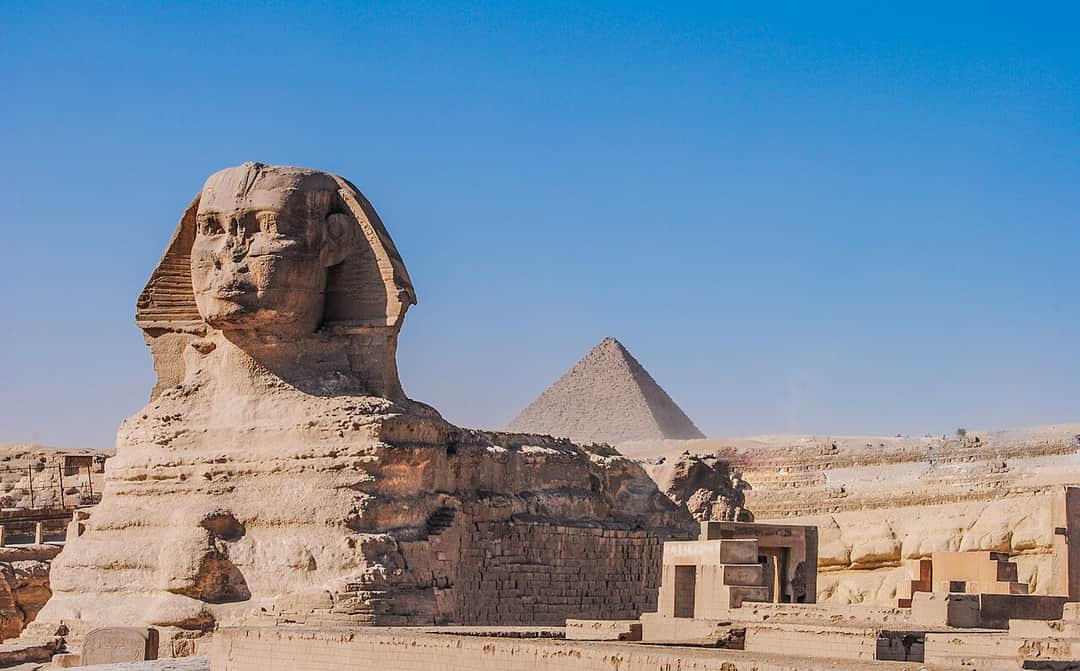
La última Maravilla Antigua del Mundo que sigue en pie, y está justo al borde occidental de El Cairo, no en pleno desierto. Ve a primera hora antes de que lleguen los autobuses turísticos y combínalo con el Gran Museo Egipcio, que ahora exhibe por primera vez toda la colección de Tutankamón junta. Los paseos en camello y a caballo por la meseta se ofrecen insistentemente; acuerda el precio antes o simplemente evítalos.
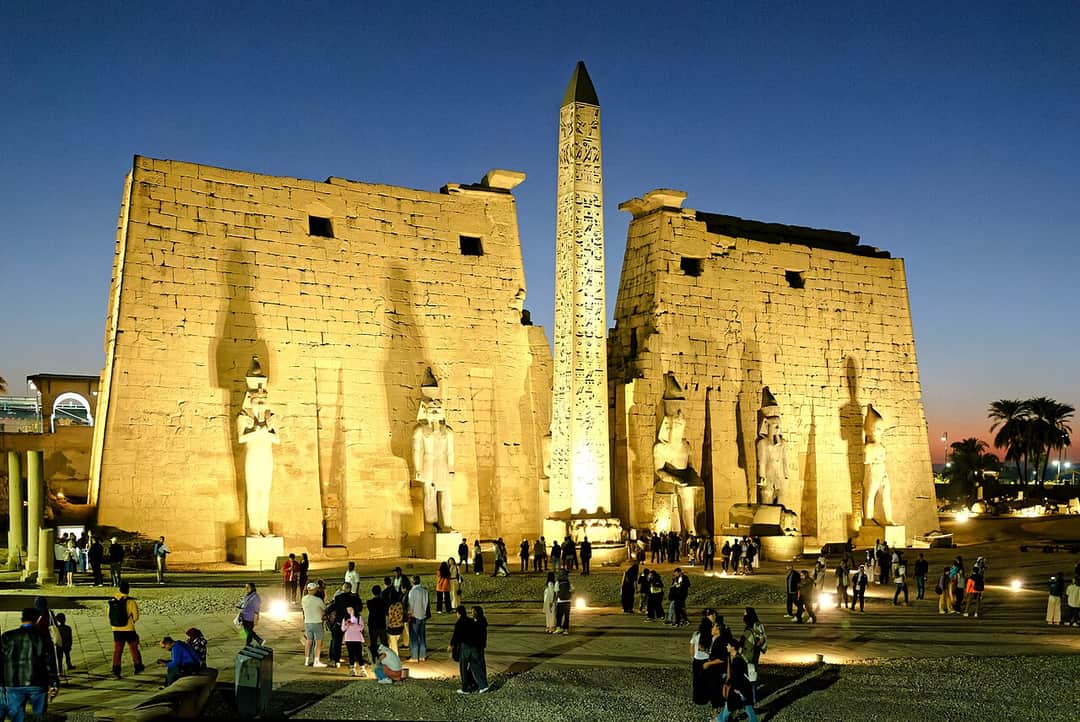
Valle de los Reyes y Templo de Karnak en Luxor
El Valle de los Reyes alberga decenas de tumbas faraónicas excavadas en la ladera, incluida la de Tutankamón, con interiores pintados que rivalizan en detalle con cualquier otro lugar de Egipto. Karnak, a pocos minutos en coche, es el mayor complejo religioso jamás construido, y su sala hipóstila con 134 enormes columnas ya justifica la visita. La mayoría de las tumbas abren en turnos, así que un guía local que sepa cuáles están abiertas te ahorra tiempo perdido.
Crucero por el Nilo entre Luxor y Asuán
Un viaje en barco de tres o cuatro noches es la forma clásica de ver el Templo de Horus en Edfu y el templo doble de Kom Ombo dedicado a Sobek y Horus, ambos paradas incluidas en la mayoría de los itinerarios. Además, resuelve la logística de la región: en vez de ir en coche de un sitio a otro, duermes a bordo y despiertas amarrado junto al siguiente templo. Las dahabiyas, veleros más pequeños, van más despacio y llevan muchos menos pasajeros que los grandes cruceros, si buscas una versión más tranquila de la ruta.
Abu Simbel
Los templos excavados en la roca por Ramsés II cerca de la frontera con Sudán son famosos por su escala y por la hazaña de ingeniería de los años 60, cuando se cortaron en bloques y se reensamblaron en un terreno más alto para salvarlos de las aguas de la presa de Asuán. La mayoría de los viajeros lo visitan en una larga excursión de un día desde Asuán, ya sea en convoy por carretera al amanecer o en un corto vuelo.
Buceo y snorkel en el Mar Rojo
Hurghada y Sharm El Sheikh son los centros de buceo más consolidados, con paredes de arrecife, pecios y el famoso Blue Hole de Dahab atrayendo buceadores de todos los niveles. Marsa Alam, más al sur, es más tranquila y es uno de los mejores lugares del planeta para hacer snorkel con dugongos en sus praderas marinas. La visibilidad y la temperatura del agua se mantienen buenas la mayor parte del año, lo que hace que el Mar Rojo sea una excelente opción para añadir a un viaje centrado en el Nilo en casi cualquier temporada.
Museo Egipcio y El Cairo Islámico
El antiguo Museo Egipcio en la plaza Tahrir todavía conserva miles de piezas que aún no han sido trasladadas al nuevo Gran Museo Egipcio, incluida gran parte del tesoro de Tutankamón por ahora. El barrio medieval de El Cairo Islámico, centrado en el bazar Khan el-Khalili, es tanto un mercado en funcionamiento como un atractivo turístico, lleno de mezquitas, caldereros y teterías; ve por la atmósfera tanto como por los monumentos.
Asuán y Templo de Philae
Asuán es más tranquila y tiene un aire más nubio que Luxor, con el Templo de Philae trasladado a la isla Agilkia en el mismo rescate de la era de la presa que Abu Simbel. Un paseo en faluca al atardecer alrededor de la isla Elefantina, o una visita en barco a un pueblo nubio, es la mejor media jornada relajada de todo el itinerario por el Nilo.
Desierto Blanco u Oasis de Siwa
Para cambiar de aires y dejar los templos, el Desierto Occidental ofrece un Egipto completamente distinto: las formaciones de tiza esculpidas por el viento del Desierto Blanco cerca del Oasis de Bahariya, o Siwa, un oasis bereber aislado cerca de la frontera libia, con su propio dialecto, ruinas de adobe y lagos salados. Ambos requieren más tiempo y planificación que el circuito del Valle del Nilo, precisamente por eso reciben una mínima parte de los visitantes.
Un primer viaje sólido son 8 a 10 días: dos o tres en El Cairo para Giza y los museos, tres o cuatro para Luxor y Asuán con un crucero por el Nilo entre ambos, y algunos días extra en la costa del Mar Rojo si el buceo está en tus planes. Es posible hacer una versión acelerada en una semana, pero Abu Simbel y un crucero completo suman días que es fácil subestimar.
No es obligatorio hacer un crucero; puedes alojarte en Luxor y Asuán y visitar los mismos templos en excursiones de un día en coche, lo que es más barato y flexible. La ventaja del crucero es la comodidad y la logística, ya que te traslada entre ciudades mientras duermes, e incluye Edfu y Kom Ombo sin tener que organizarlo aparte.
El circuito turístico principal (El Cairo, Luxor, Asuán, los resorts del Mar Rojo) cuenta con mucha presencia de seguridad y recibe un flujo constante y enorme de visitantes, y la gran mayoría de los viajes transcurren sin incidentes. Como en cualquier destino, consulta los avisos de viaje oficiales más cerca de tus fechas en vez de confiar en información antigua.
Sí, y es una de las grandes ventajas de Egipto: Hurghada y Marsa Alam están a un corto vuelo doméstico de El Cairo o Luxor, así que un itinerario típico hace primero El Cairo y el Valle del Nilo, y termina con varios días de buceo antes de regresar a casa. Funciona muy bien como estructura de historia y luego relax, parecido a combinar un safari con playa en Zanzíbar en Tanzania.
No. Haciendo snorkel directamente desde la playa o en una excursión de un día en barco puedes disfrutar de arrecifes sanos en muchos lugares, especialmente en Marsa Alam y Dahab, y en todos los resorts hay centros PADI que ofrecen bautismos de buceo para principiantes. Los buceadores experimentados querrán un liveaboard para llegar a los mejores arrecifes y pecios alejados de la costa.
Los vuelos domésticos son la opción más rápida y hay frecuencias regulares entre El Cairo, Luxor y Asuán. Los trenes nocturnos con literas son una alternativa más lenta pero pintoresca y popular para quienes quieren ver pasar el Valle del Nilo en vez de sobrevolarlo.
Para la mayoría de los viajeros, sí: los templos son de los sitios más impresionantes visualmente de Egipto y la historia de su traslado aporta un contexto que no se aprecia solo en fotos. Es una excursión larga desde Asuán, pero el vuelo temprano por la mañana lo hace manejable si el convoy por carretera te parece demasiado.
Pais
Egypt
Llevatelo contigo
Todo lo que hay en esta pagina en un solo documento que puedes guardar, imprimir o enviar a quien viaje contigo. No se requiere correo electronico.