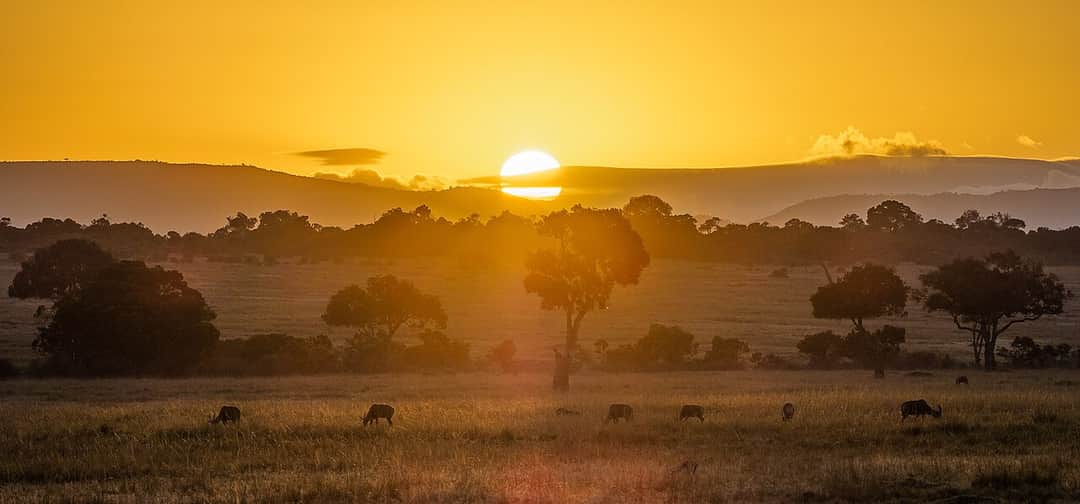
Southern Africa
South Africa is the continent's self-drive safari capital: Kruger National Park has paved and well-graded gravel roads, clear signage, and rest camps spaced for a comfortable day's drive, so you can run a Big Five safari in a rental car without a guide. Cape Town anchors the other half of the country's appeal, Table Mountain, the Cape Winelands around Stellenbosch and Franschhoek, and the Cape Peninsula are all within an hour of each other, and the Garden Route stitches together forest, lagoon, and coastline on the drive east toward Port Elizabeth. Unlike the fly-in camps of East Africa, this is a country built for road-tripping: rental cars, a well-maintained national road network, and predictable fuel stops make multi-week independent itineraries genuinely practical. It also has a party trick few countries can match, malaria-free Big Five reserves like Madikwe and several private reserves in the Eastern Cape put lion and elephant within a few hours of Cape Town, no antimalarials required.
Where is South Africa?
Best time to visit
South Africa is in the Southern Hemisphere, so its dry winter runs May to September, the opposite of East Africa's calendar, and this is the best window for game viewing in Kruger, since thinning bush and animals gathering at rivers make sightings easier. Cape Town and the Garden Route run on a different clock: their dry, warm season is November to March, so a trip combining both regions works best in the overlap months of May, June, or September, when Kruger is at its driest and the Cape is still mild. Whale watching at Hermanus peaks June to November, squarely inside Kruger's dry season. Shoulder months (April, September, October) balance good weather in both regions against smaller crowds.
High season
December and January are the busiest months nationwide, driven by South African school holidays and the Southern Hemisphere summer, with Cape Town, the Garden Route, and the coast especially crowded and at their highest prices. July is a secondary peak specific to Kruger, when European winter travelers chase peak dry-season game viewing. Book accommodation, rental cars, and popular restaurants well ahead for both windows.
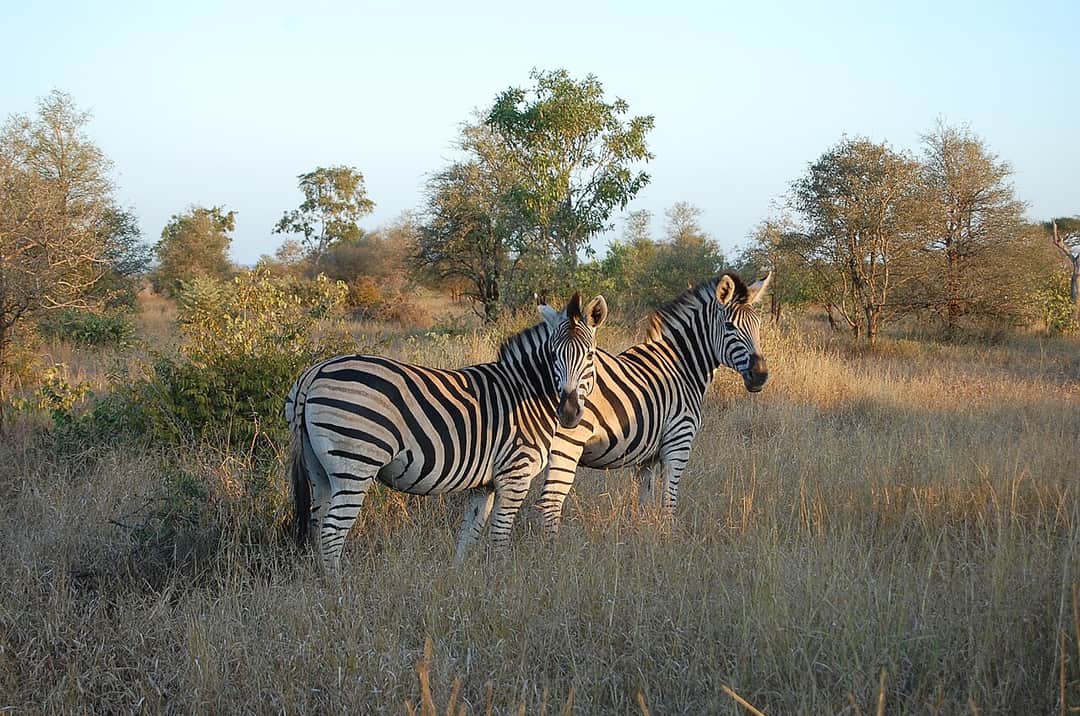
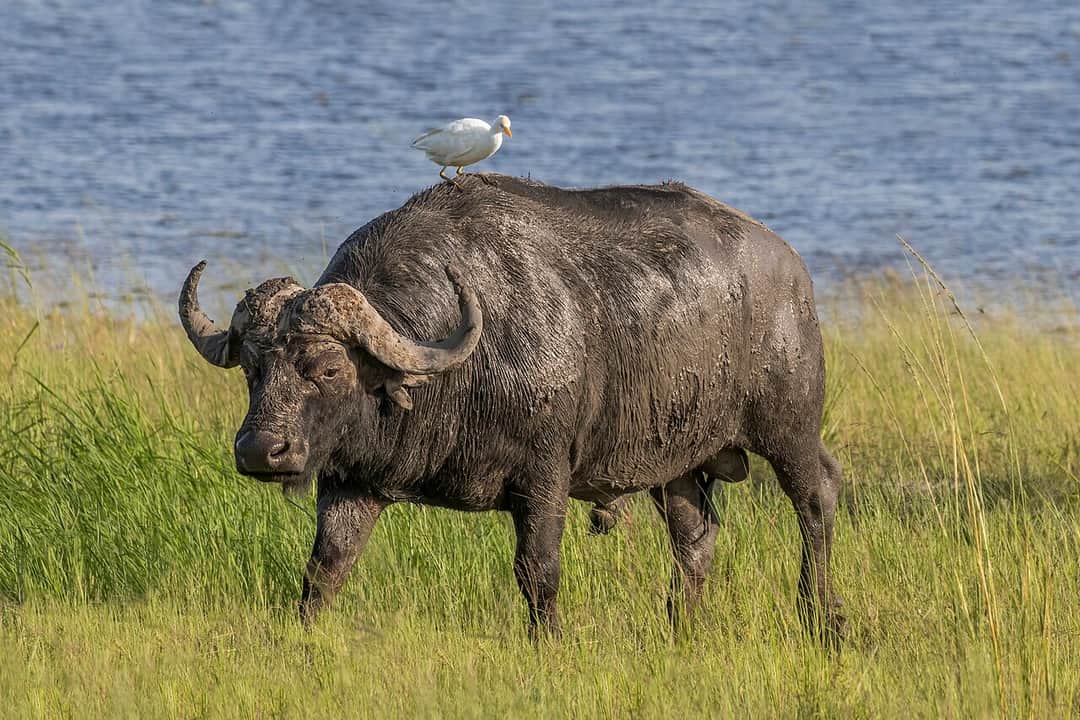
Kruger National Park is the headline act, one of the few Big Five parks in the world set up for confident self-driving, with sealed roads, marked loops, and a network of rest camps between sightings. Private reserves bordering Kruger, such as Sabi Sands and Timbavati, add open-vehicle guided drives and far higher odds of close leopard and wild dog encounters than the public park allows. For travelers who want Big Five without malaria prophylaxis, Madikwe Game Reserve near the Botswana border and several reserves in the malaria-free Eastern Cape, including Addo Elephant Park and Shamwari, deliver a genuine safari within easy reach of Cape Town or Port Elizabeth. Along the coast the story shifts to marine wildlife: southern right whales at Hermanus, African penguins at Boulders Beach, and great white sharks off the Western Cape.
Self-drive Kruger National Park
Kruger is built for it: tarred and well-graded gravel roads, clear game-viewing loops, and rest camps with fuel, shops, and fenced camping spaced a comfortable few hours apart. A rental sedan or SUV is enough for the main routes, and camp reception boards post recent sightings each morning to help plan the day. Budget at least three to four nights to get past the first-day learning curve and into good sightings.
Table Mountain and the Cape Peninsula
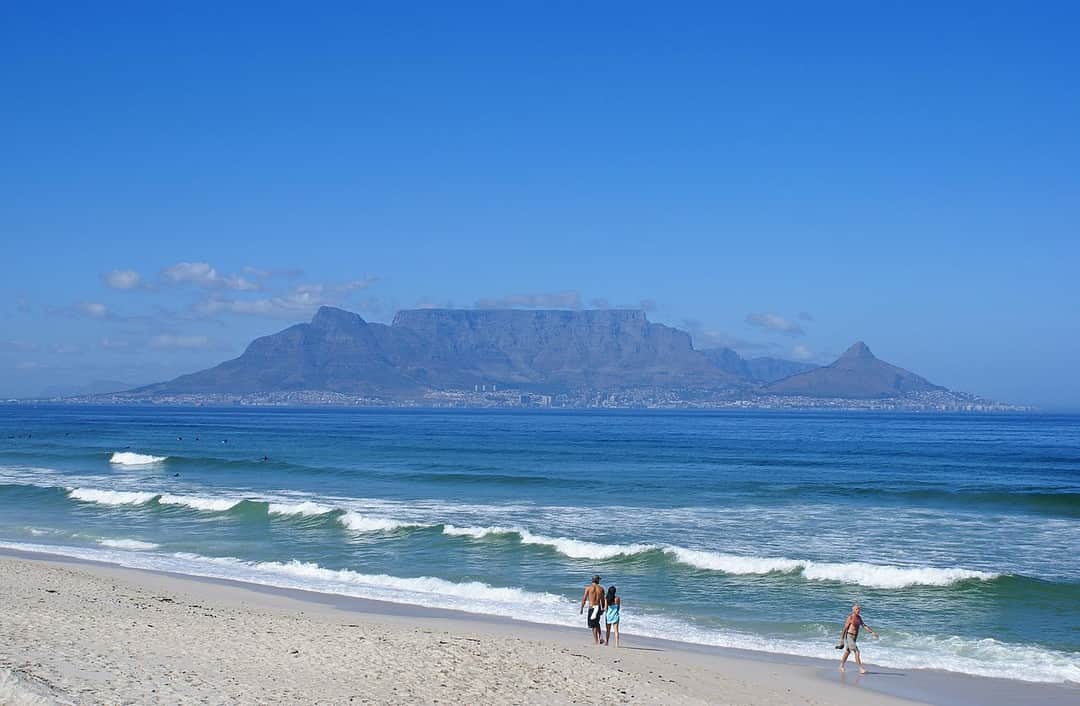
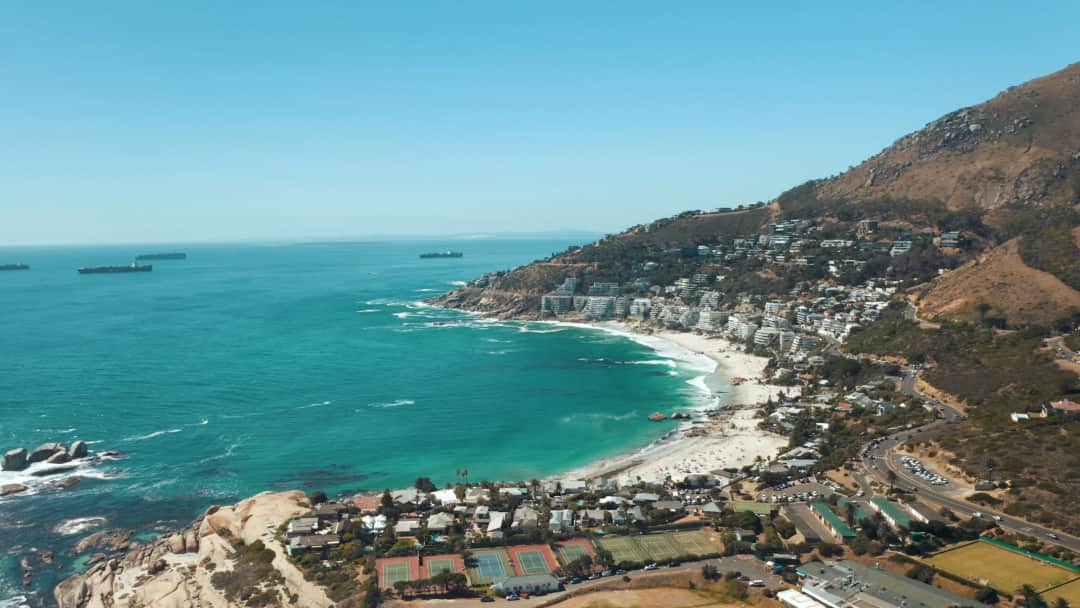
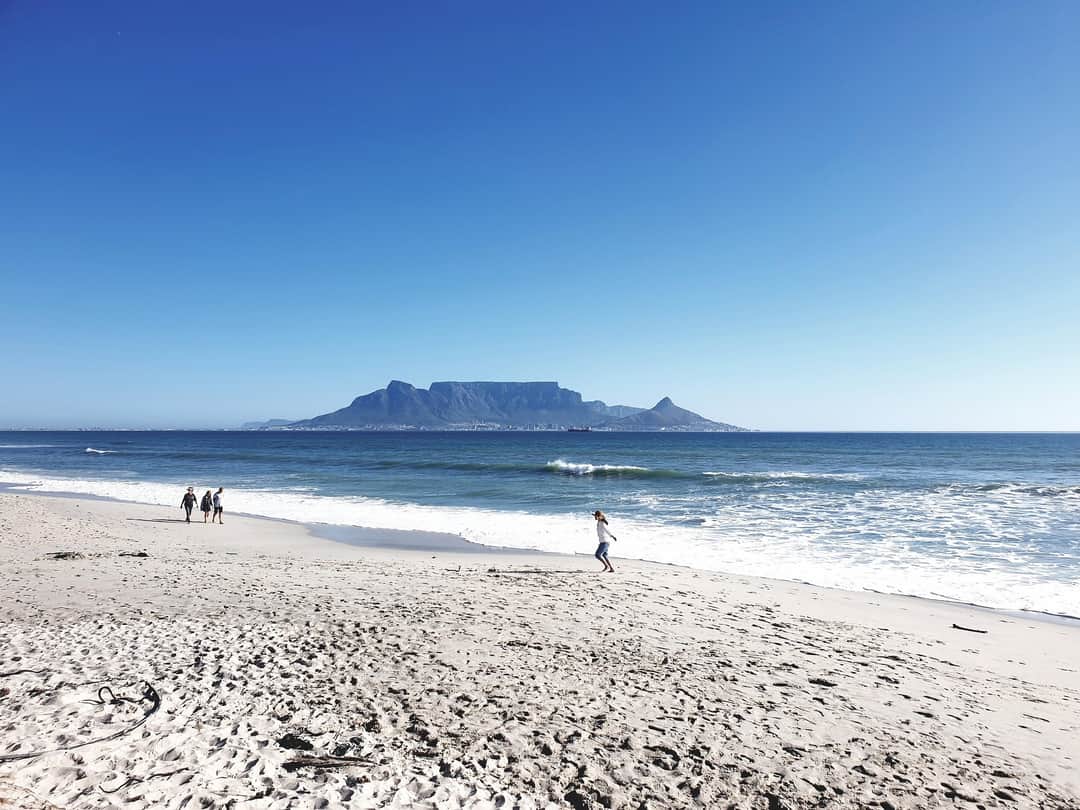
The cableway up Table Mountain gives a full view over Cape Town, the Atlantic seaboard, and Robben Island on a clear day, and it's worth building in a backup date since the mountain closes in wind. The drive down the peninsula to Cape Point passes Boulders Beach, home to a colony of African penguins you can walk right up to on a boardwalk, and Chapman's Peak Drive is one of the more dramatic coastal roads on the continent.
Cape Winelands
Stellenbosch and Franschhoek are both under an hour from Cape Town and pack in centuries-old wine estates, many with Cape Dutch architecture and serious restaurants attached. Franschhoek's wine tram loops between estates if you'd rather not drive between tastings. This is some of the best wine-and-food value of any wine region in the world.
Garden Route road trip
The N2 between Mossel Bay and Storms River strings together lagoon towns, indigenous forest, and long stretches of coastline, with Knysna and Plettenberg Bay as the natural overnight stops. Tsitsikamma National Park at the eastern end has a canopy walk and a suspension bridge over the Storms River mouth. Plan four to six days to drive it properly rather than rushing it in one long push.
Whale watching at Hermanus
Hermanus is regularly ranked among the best land-based whale watching spots anywhere, with southern right whales coming close enough to the cliff path to watch without a boat between June and November. A cliff-top walk with a pair of binoculars often beats a boat trip here, and it costs nothing beyond parking.
Malaria-free Big Five safari
Madikwe Game Reserve and Eastern Cape reserves like Addo Elephant Park and Shamwari offer real Big Five sightings without antimalarial medication, which matters for families with young children or anyone who prefers to skip prophylaxis. Addo also has one of the highest elephant densities of any park in Africa, easily seen from a rental car on the main tar roads inside the park.
Johannesburg and Soweto apartheid history
The Apartheid Museum in Johannesburg is one of the most thoughtfully curated history museums on the continent and worth a half day even for travelers just transiting through. A guided tour of Soweto, including Vilakazi Street and the Hector Pieterson Memorial, adds essential context most safari-and-Cape-Town itineraries skip entirely.
Robben Island
The ferry from Cape Town's V&A Waterfront to Robben Island includes a tour of the prison led by former political prisoners, who bring a firsthand account to the cell where Nelson Mandela spent 18 of his 27 years in prison. Book ahead, since sailings are weather-dependent and tickets sell out days in advance in high season.
The places travelers actually spend time, Kruger and its reserves, the Cape Winelands, the Garden Route, and Cape Town's main tourist areas, are visited by millions of people a year without incident, and safari lodges, wine estates, and hotels all operate with everyday security awareness rather than alarm. The real risk is concentrated in specific urban settings: certain Johannesburg neighborhoods, isolated beaches or trails after dark, and leaving valuables visible in a parked car. Follow the same big-city common sense you'd use in any major world city, use booked transfers or reputable ride apps at night, and ask your accommodation which areas to avoid, and the risk to a well-prepared visitor is low.
You can do the whole trip without ever driving yourself. Domestic flights connect Cape Town, Johannesburg, and the Kruger-area airports quickly, guided small-group tours cover the Garden Route and Winelands, and private transfers handle point-to-point legs. Self-driving is popular because it's genuinely easy and gives more freedom in Kruger and along the Garden Route, but it's an option, not a requirement.
Yes, and it's the classic South Africa itinerary, but treat it as three distinct legs connected by flights rather than one continuous drive, Kruger to Cape Town is not a road trip. A common pattern is four to five nights in and around Kruger, fly to Cape Town for four to five nights including the Winelands, then either fly home from Cape Town or add four to six days driving the Garden Route between Cape Town and Port Elizabeth before flying out.
It depends entirely on where you go. Kruger's lowveld and parts of northern KwaZulu-Natal carry malaria risk, so talk to a travel clinic about prophylaxis before those legs. Cape Town, the Winelands, the Garden Route, and malaria-free reserves like Madikwe and most Eastern Cape parks carry no malaria risk at all, which is exactly why they're popular with families and anyone who'd rather skip the medication.
Southern right whales are most reliably seen from June through November, with peak numbers typically in September and October when mothers bring newborn calves close to shore. They're often visible from the cliff path without needing a boat, making it one of the easier and cheaper wildlife encounters in the country.
Three nights is a reasonable minimum and gives you two full days of game drives, but four nights improves the odds meaningfully, especially for leopard and wild dog, which are less predictable than lion and elephant. Staying in or bordering a private reserve rather than only the public park adds guided night drives and off-road tracking, which noticeably raises the odds of a full Big Five sighting in a shorter stay.
Yes. English is one of South Africa's official languages and is the default language of tourism, hospitality, and road signage nationwide, alongside Afrikaans, Zulu, Xhosa, and several other official languages depending on the region. You won't need any other language to travel independently.
Country
South Africa
Take it with you
Everything on this page in one document you can keep, print, or send to whoever you are travelling with. No email required.