National park in South Africa
Kruger is the one great African park you can simply drive into. The main roads are tarred and signposted, the camps have shops and fuel and a place to grill your supper, and there is nothing stopping you from renting an ordinary car in Johannesburg, arriving at a gate at opening time and finding your own lions. That single fact makes Kruger the most affordable serious Big Five park in Africa, and it makes a Kruger trip a fundamentally different proposition to a guided-only reserve in Botswana or Zambia.
It is also enormous. Close to 20,000 square kilometres, roughly 350 kilometres from the Crocodile River in the south to the Limpopo in the north, and the landscape changes completely along the way: thorn thicket and granite koppies in the south, open marula and knobthorn savanna around Satara in the middle, and mopane woodland thinning out into the remote riverine forest of the far north. Most first visits never leave the southern third, which is where game density is highest and where the roads are busiest.
The real decision, and the one this guide keeps returning to, is whether you self-drive Kruger proper or pay for a private reserve on its western boundary. Sabi Sand, Timbavati, Manyeleti, Klaserie and the others share unfenced borders with the park, so the animals are the same animals moving through the same country. What differs is the rules. Their guides can leave the road to follow a leopard, and they can drive after dark with a spotlight. Both are forbidden to you in your own car. It costs several times more, and for a certain kind of sighting it is worth every bit of it.
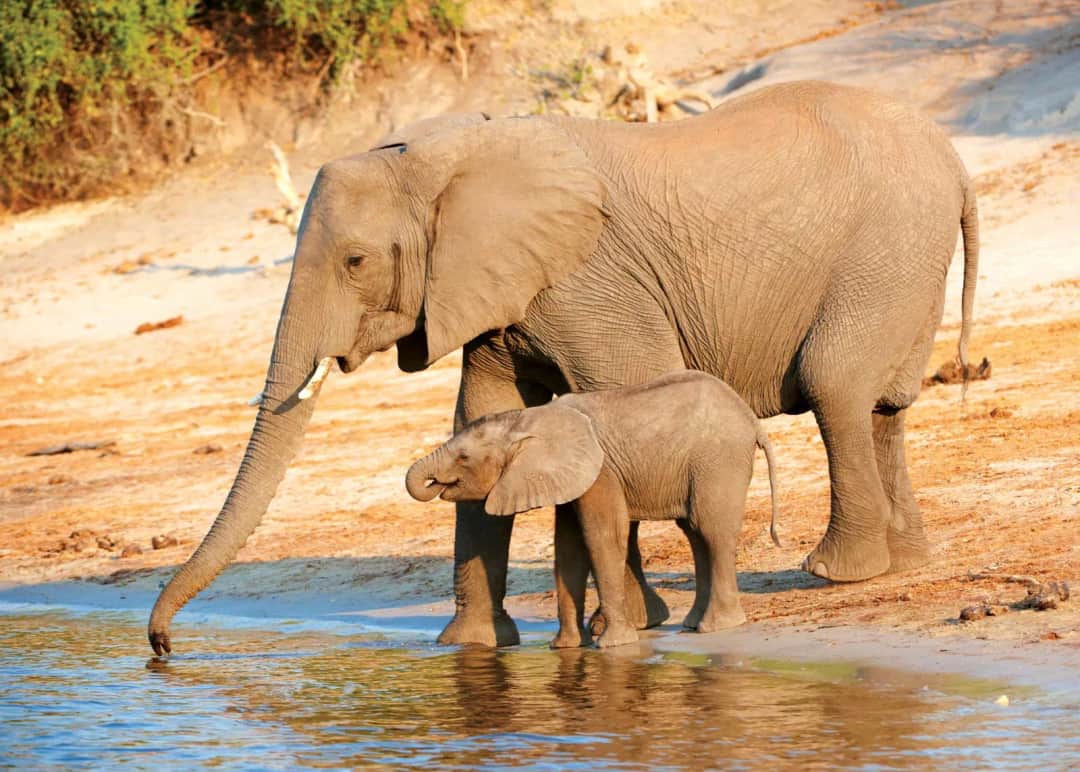
A self-drive day has a shape. You are up before light because the gates open at sunrise and the first two hours are worth the rest of the day put together. You drive at fifty on tar and slower on gravel, windows down, stopping at waterholes and letting the bush come to you. By eleven the heat has flattened everything and you retreat to camp to sit under a tree. You go out again at four, and you are back inside a gate before it closes, because the times are not negotiable and the fines are real. Much of it is patient nothing. Then a bull elephant crosses two metres from the bonnet, or the queue of cars ahead turns out to be a leopard lying in a marula, and you understand why South Africans come back every year of their lives.
Kruger sits in a seasonal malaria area, with risk highest during the wet summer months and lowest in the dry winter. It is a straightforward conversation to have with a travel clinic before you travel, and it should not put you off, but it is better known in advance than discovered.
Best time to visit
The dry winter, roughly May to September, is the better time for wildlife and it is not close. The grass is short and yellow, the bush has thinned out, and the seasonal pans have gone. Animals are forced back onto the permanent rivers and the pumped waterholes, which means you know where to point the car. Sightings that would be invisible in February are obvious in July. Mornings are cold, sometimes close to freezing at dawn in June and July, so an open safari vehicle at first light is a serious layering exercise. Days are mild and dry, the light is clean, and malaria risk is at its lowest.
The wet summer, roughly November to April, is the green season and it is a genuinely different park. Afternoon thunderstorms build over the escarpment and break hard. The bush closes in, the grass grows tall and animals scatter because water is everywhere. Game viewing is harder and you will work for it. In exchange you get impala lambing in November and December, which brings predators onto the plains in numbers, migratory birds that are absent the rest of the year, and a landscape that is actually beautiful rather than merely productive. It is also hot, frequently well above thirty five degrees, and the camps are cheaper outside school holidays.
If you are choosing on outcome, go in the second half of the dry season. August and September are the driest and most concentrated, with animals stacked around the last water. If you care about photography, birds and landscape more than the checklist, January and February reward you and you will have the roads to yourself midweek.
One practical note: the shoulder months of April, May and October are underrated. The bush is still open enough to see through, the heat has broken, and the South African school holidays have not yet swallowed the camps.
High season
Kruger fills up around South African school holidays rather than international ones. Mid-December to mid-January is the busiest by a distance, followed by the Easter break and the July holidays. Rest camps in the southern half open their bookings roughly eleven months ahead and the popular ones for December are gone within days. June to September is high season for international visitors and lodges price accordingly. Late January to March and November are the quietest weeks in the park.
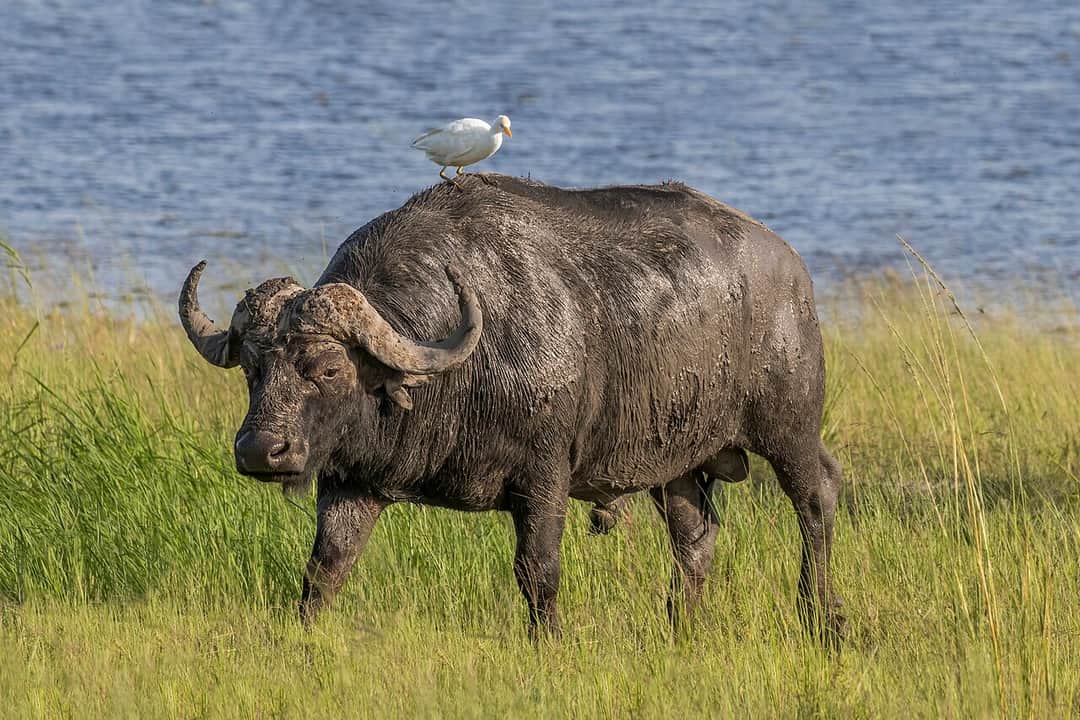
All of the Big Five live here in numbers, and Kruger is one of the few parks where a patient self-driver has a fair chance at four of them without a guide. Lion are common along the central plains and on the rivers, elephant are everywhere and increasingly relaxed around cars, and buffalo move in herds several hundred strong on the floodplains. Leopard are the surprise: the Sabie River in the south, particularly the H4-1 between Skukuza and Lower Sabie, is one of the most reliable stretches of road for leopard anywhere on the continent, and they are often lying in a riverside tree in plain view of the tar.
Rhino are the hard truth. Kruger held one of the world's great white rhino populations and poaching has taken a heavy toll on it. Numbers are far lower than they were, sightings are correspondingly less reliable, and rangers do not publish locations for good reason. If you see one, keep it to yourself and do not post the location. Black rhino were always scarce here and remain so.
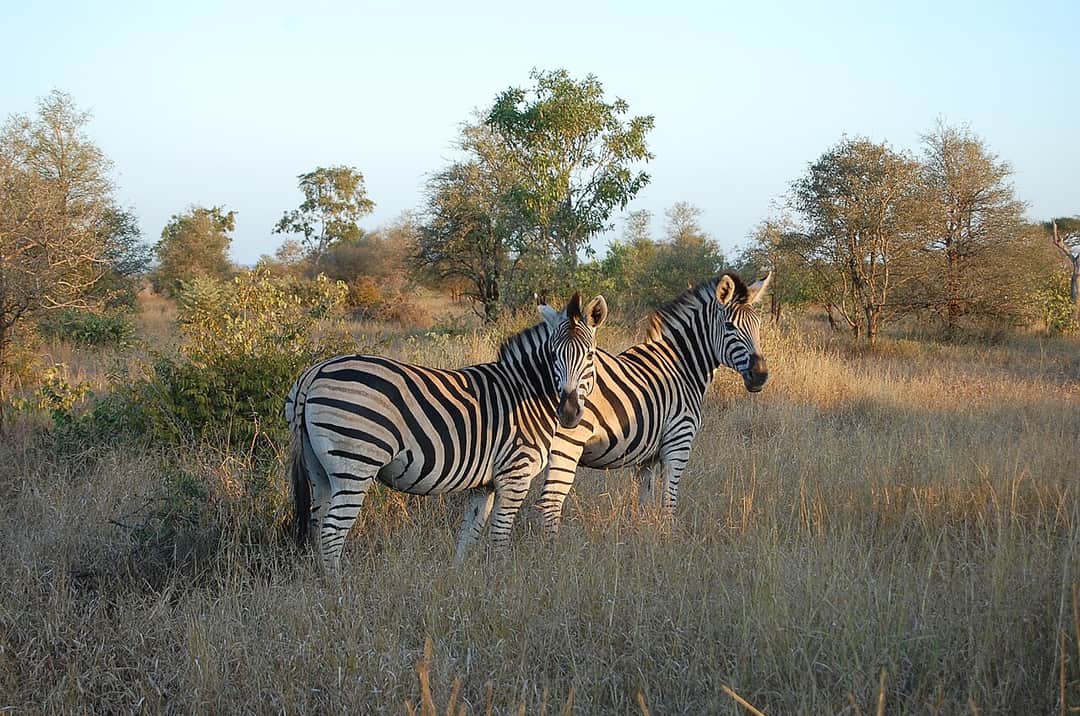
Beyond the famous five, Kruger's real strength is African wild dog. The park holds one of the largest remaining populations in Africa, and a pack strung out along a road at dawn, ears like satellite dishes, is a better sighting than most lions. Cheetah favour the open country around Satara and Orpen. The central grasslands hold zebra, wildebeest, giraffe and huge numbers of impala. The rivers are thick with hippo and crocodile. The far north brings different animals altogether: nyala in the riverine thickets, eland, and in the Pafuri triangle a bird list that people drive three days to reach, including Pel's fishing owl and the summer nesting colonies of southern carmine bee-eaters.
Birding is exceptional throughout and peaks in the wet season when the migrants arrive. Even indifferent birders end up buying a field guide at the camp shop by day three, because when the mammals go quiet there is always something on the wire.
Self-drive the southern circuit
The south, roughly from Crocodile Bridge and Malelane up to Skukuza and Lower Sabie, is where most people start and where the game density is highest. It is also the most heavily driven part of the park, so expect other cars at every good sighting. The tar between Skukuza and Lower Sabie along the Sabie River is the single most productive road in Kruger and worth driving in both directions on different days. Base yourself at Lower Sabie if you can get in, at Skukuza if you cannot. Get out of the gate the moment it opens and accept that between ten and four you are better off in camp than on the road.
Satara and the central plains
Satara sits in open marula and knobthorn savanna and is known unambiguously as cat country. The grass is short, the sightlines are long, and lion here are seen out in the open rather than glimpsed in thicket. The S100, a gravel road running east along the Nwanetsi river, has a reputation among South Africans that it mostly lives up to, and the S126 and Sweni road are similarly good. This is also the best part of the park for cheetah. The trade-off is that the central plains can feel empty in the wet season when the grass is high and the animals have dispersed.
The far north: Punda Maria, Shingwedzi and Pafuri
Almost nobody drives past Letaba, which is exactly the argument for doing it. North of the Olifants the park turns into dense mopane, then sandveld, then at the very top the Luvuvhu and Limpopo rivers meet in a triangle of fever tree forest, baobabs and riverine thicket unlike anything else in the park. Big cats are scarcer here and elephant more numerous. What you get instead is solitude, a wholly different flora, and the best birding in South Africa. Give it three nights at least, based at Punda Maria or Shingwedzi, and treat it as a separate trip rather than a day excursion.
Guided night drives and sunrise drives from the rest camps
This is how a self-driver buys back the hours the gate times take away. SANParks runs open vehicle drives from the rest camps that leave before the gates open and return after they close, with a spotlight and a guide who knows the sector. The night drive is the one to book: genets, civets, honey badger, bushbabies, scrub hares and, with luck, hunting lion or a leopard on the move. Sightings are not guaranteed and the vehicle still has to stay on roads, but you are out in the two hours that matter most and you are not the one driving. Book at the camp reception on arrival, because they fill.
Morning bush walks with an armed ranger
A three hour walk from a rest camp with two armed guides, leaving at first light, limited to a small group. You will not cover much ground and the point is not to find big animals, though you sometimes do. The point is being on foot in country where you are not at the top of the food chain, learning to read tracks and dung and broken branches, and noticing the things a car drives past at fifty. Most people who do one rate it above any game drive of the trip. Book it in advance where possible and expect an early, cold start in winter.
A multi-day wilderness trail
Kruger runs several guided walking trails of a few nights each, sleeping in simple bush camps with no electricity and walking out each morning with armed rangers. Groups are tiny, there are no vehicles beyond the transfer in, and you are properly off the road network in areas closed to day visitors. These sell out far ahead, sometimes a year, and they are the most immersive thing the park offers. They are not for anyone who wants comfort or a guaranteed leopard, and a reasonable level of fitness in heat is assumed.
A private reserve on the western boundary
Sabi Sand, Timbavati, Manyeleti, Klaserie and Thornybush sit against Kruger's western edge with the fences long since dropped, so the wildlife moves freely between them. What you are paying for is permission: guides drive off-road to follow a cat, they work with a tracker on the bonnet, and they go out after dark. Sabi Sand in particular has habituated leopard that are seen daily rather than hoped for. If a leopard at close range is the thing you have come for, two nights in a private reserve will do more than a fortnight of self-driving. The honest counterpoint is cost, which is several times higher per night, and a more managed experience with less of the empty patient hours that make Kruger itself feel wild.
The Panorama Route on the way in
Most people drive to Kruger from Johannesburg, which takes the best part of a day, and the road climbs over the Drakensberg escarpment on the way. Turning that transfer into a day of its own is the easiest upgrade on any Kruger itinerary. Blyde River Canyon is one of the largest green canyons in the world, the Three Rondavels viewpoint is genuinely worth the detour, and Bourke's Luck Potholes and God's Window are strung along the same route. Sleep at Graskop or Hazyview and enter the park at Phabeni or Paul Kruger gate the next morning, fresh and at opening time.
National park
Kruger National Park
Take it with you
Everything on this page in one document you can keep, print, or send to whoever you are travelling with. No email required.
Self-drive if you want time, freedom, a long trip and a modest budget, and if you accept that finding animals is your job. It is the better value by a wide margin and many people find the searching is the pleasure. Book a private reserve if you have limited days, want reliable big cat sightings at close range, or want somebody else to do the work while you look. The guides there can leave the road and drive at night, which is the whole difference. The answer most experienced visitors give is to do both. Three or four nights self-driving the park, then two nights in a private reserve on the western boundary. You get the scale and the independence of Kruger and the intimacy of off-road tracking, and the contrast between them is instructive in itself.
No. The main roads are tarred and the gravel roads are graded and passable in an ordinary hire car for most of the year. What actually helps is height, because a slightly raised vehicle lets you see over the grass, which matters more than you would think in the wet season. Avoid anything very low slung and check that the windows open fully, since you will be photographing through them all day. In heavy summer rain some gravel roads close, and the park signposts closures at the camps.
Four nights is a reasonable minimum and lets you settle into the rhythm rather than rushing. A week is better. If you have four or five nights, split them between the south, at Lower Sabie or Skukuza, and the centre at Satara, and drive slowly between the two rather than treating it as a transfer. With ten days or more you can add Olifants, which sits on a cliff above the river and has the best view of any camp in the park, and push north to Shingwedzi or Punda Maria. Rest camps are the practical choice for self-drivers: they have shops, fuel, restaurants and braai facilities, and the cheaper safari tents and huts are perfectly comfortable. The smaller bushveld camps are quieter and more atmospheric but have no shops, so you need to arrive with food.
Elephant, buffalo and lion are close to certain over four or five days of proper driving. Leopard are genuinely possible, especially along the Sabie River, and Kruger is one of the few places where a self-driver sees them regularly. Rhino are the difficult one now, and it would be wrong to promise them. It is worth saying plainly that the Big Five is a hunting-era list rather than a ranking of what is interesting. A wild dog pack, a honey badger raiding a bin, or a martial eagle taking a monitor lizard will stay with you longer than a distant grey rhino rump. Treat the list as a bonus and not as a scorecard.
Yes, with the rules observed. The rules are short: stay in the vehicle except at designated points, keep windows up around elephant and baboons, never feed anything, do not drive after gate closing, and keep to the speed limits, which exist because animals step onto tar without warning. Elephants deserve particular respect. Give a bull space, never park between a herd and where it is heading, and reverse rather than push past. Baboons and vervet monkeys in the camps are the most common actual problem. They will open an unlatched car door or a tent zip and take food off a table, so keep everything shut. The park itself is well managed and the camps are fenced and secure.
May to September for wildlife. The bush is thin, the grass is short and the animals are concentrated on permanent water, which makes everything easier to see. August and September are the peak of that. Mornings are cold enough to want a hat and gloves on an open vehicle, and afternoons are mild and dry. November to April is greener, hotter and much harder for spotting, but it is the better season for birds, newborn antelope, dramatic skies and photography, and it is cheaper outside the school holidays. If it is your first safari, go in winter.
It is classed as a seasonal malaria area, with the risk higher in the wet summer months and in the northern half of the park, and low in the dry winter. This is a factual matter for a doctor or travel clinic rather than a guide, and the advice given varies by country, by season and by the traveller. Speak to a clinic several weeks before you go rather than at the airport. Whatever you decide about medication, the sensible habits are the same: cover arms and ankles at dusk, use repellent, and use the mosquito nets or screens the camps provide. Plenty of South Africans visit in winter with no precautions beyond repellent, and plenty of visitors take a course of tablets in summer. Neither is unusual.
Not on your own. Outside the fenced camps and a handful of designated getout points, you must stay in your vehicle, and this is enforced. What you can do is book a guided activity: a three hour morning bush walk from a rest camp with two armed rangers, or one of the multi-night wilderness trails that sleep in remote bush camps. These are the most rewarding thing in the park for a lot of visitors and they are also the least booked, largely because people do not realise they exist. Walks from the camps can usually be arranged at reception on arrival. The wilderness trails need to be booked far in advance.
Driving from Johannesburg takes roughly five to six hours to the southern gates, which is why so many trips start with an overnight on the Panorama Route rather than a single long day. Malelane, Crocodile Bridge, Phabeni and Paul Kruger gates all serve the south, Orpen serves the centre, and Phalaborwa serves the north. Flying is straightforward too. Skukuza has an airport inside the park, Mbombela's Kruger Mpumalanga International serves the southern gates, and Hoedspruit is the gateway for the central region and most of the private reserves. Flying in and renting a car at the airport is a good compromise if you are short on days but still want to self-drive.