City in South Africa
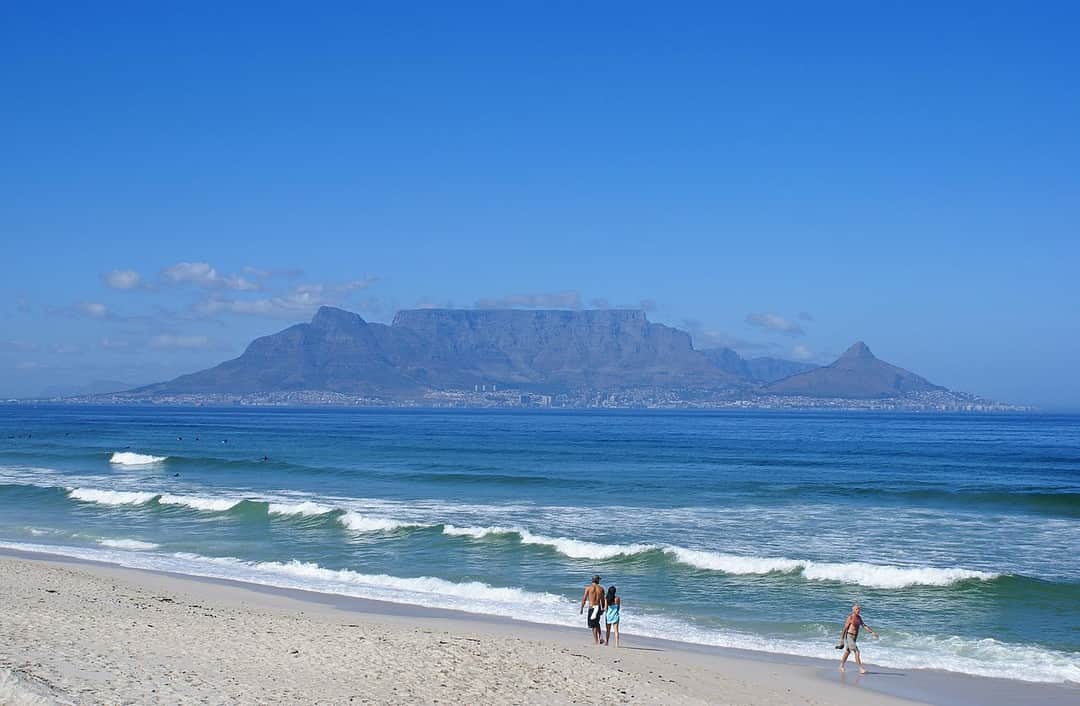
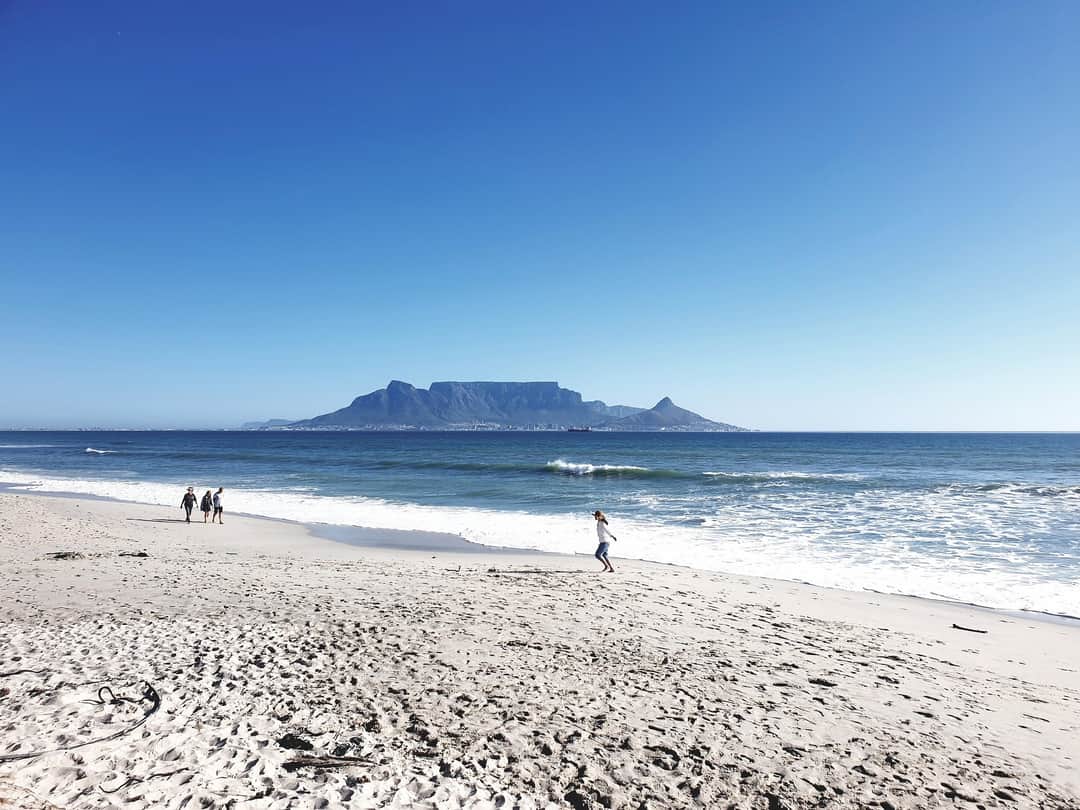
Cape Town is a city built around a mountain, wedged onto a narrow strip between the rock and the sea, and the geography decides almost everything about a visit. Suburbs run up the lower slopes until the gradient stops them. Roads bend around buttresses instead of crossing them. From most of the city bowl you can look up at a thousand metre cliff at the end of the street, and from the top of that cliff you can see the Atlantic on one side and False Bay on the other. Very few cities of this size have that as their ordinary daily backdrop.
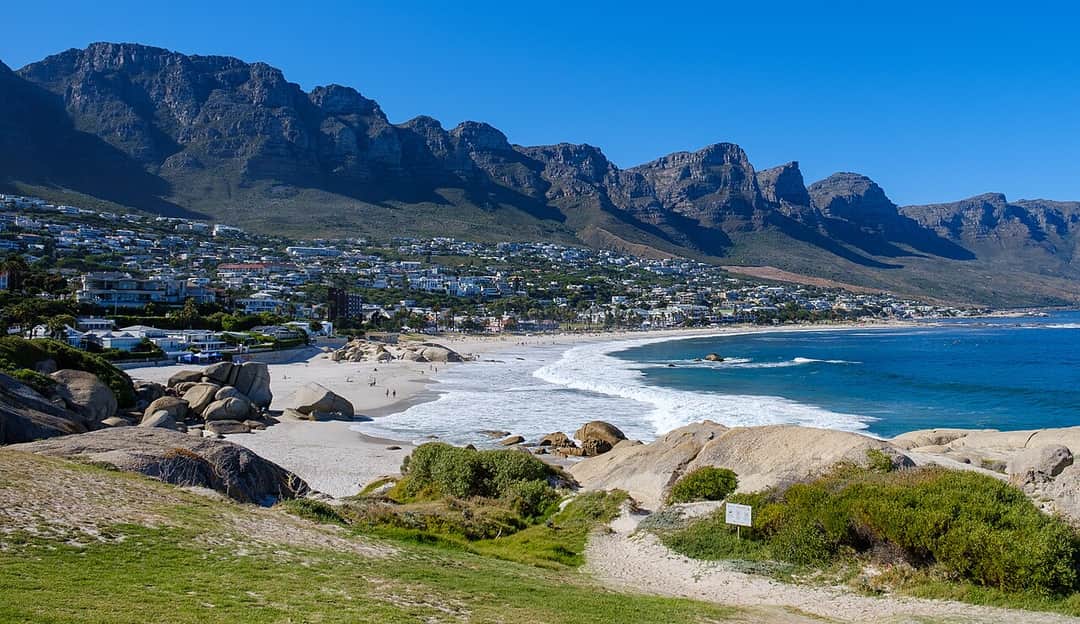
The second thing to understand is that the weather runs your itinerary, not the other way round. In summer the southeaster blows, sometimes for three or four days without pause, hard enough to close the cable car and cancel the Robben Island ferry. It lays a flat white cloud over the top of Table Mountain, the tablecloth, and it strips the beaches at Camps Bay while the False Bay side stays calm. In winter, cold fronts come in from the northwest with real rain, and between them come days of such clarity that locals take the afternoon off. The practical response is to keep your plans loose. Do the mountain on the first clear morning you get, not on the Thursday you had pencilled in.
What surprises visitors is how much sits within an hour of the city centre. You can be on a mountain summit by nine, among African penguins at Boulders by noon, standing at the bottom of the peninsula where the cliffs drop into the swell by two, and eating in a Constantia vineyard by evening. That density is the real argument for Cape Town over almost any other African city, and it is also the trap, because visitors routinely try to do all of it in three days and end up seeing it through a car window.
The history is not tucked away either. Robben Island is a boat ride from the shopping centre at the Waterfront. District Six is an area of grass and rubble in the middle of town where a neighbourhood was demolished and its residents removed. Bo-Kaap's painted houses sit under Signal Hill in a community that has been there for generations and is now under pressure from property prices. None of this is staged for visitors, and a trip that engages with it is a better trip than one that stays on the coast road.
Give it five days at the absolute minimum. A week is right, and if you are pairing it with the Garden Route or a safari it is worth being the first stop rather than a tired last one.
Best time to visit
February to April is the sweet spot and locals will tell you the same. The wind has usually eased off from its December and January peak, the sea is at its warmest, the days are still long and hot, and the summer crowds have gone home. March in particular is close to ideal: settled weather, harvest in the winelands, and restaurants you can actually get a table at.
December and January are the classic high summer: long dry days, everything open, and the city at full tilt. They are also the windiest weeks of the year, the most expensive, and the most crowded, because the whole of South Africa comes to Cape Town for the holidays. If you come then, book everything well in advance and expect the southeaster to reorganise at least one of your days.
Winter, roughly June to August, is wet, cool and green, and it is dramatically underrated. Fronts come through every few days bringing serious rain, but the clear spells between them are among the best weather of the year, the mountain is green and the waterfalls run. Prices drop sharply, the winelands are quiet and atmospheric, and this is whale season along the coast, with southern right whales close inshore from around June through November. The gamble is real though: a week of solid rain in July is entirely possible.
May and October and November are excellent shoulder months. Spring brings wildflowers to the West Coast and Namaqualand, usually from around August into September depending on the rains, which is a worthwhile detour if the timing lands. If you are choosing purely on odds of good weather with fewer people, take late February to April, and take October if that does not work.
High season
Mid-December to mid-January is the peak by a wide margin, when domestic and international holidays overlap. Accommodation prices roughly double, the beach roads at Camps Bay and Clifton gridlock, and popular restaurants need booking weeks ahead. A second, gentler peak runs through the European summer from June to August, driven by overseas visitors rather than locals. The quietest weeks are May and early June, and again in late July.
Cape Town's setting is the attraction, and it is a strange and specific one. The Cape Peninsula is a thin finger of sandstone mountain running some sixty kilometres south into the Southern Ocean, with the cold Atlantic on the west side and the warmer waters of False Bay on the east. The mountains do not taper politely to the sea, they end in cliffs. The result is a coastline where you drive along a ledge cut into a rock face with breakers directly below, which is what Chapman's Peak Drive is and why it takes twice as long as its distance suggests.
The vegetation is the part visitors know least and should care about most. This is fynbos, the defining plant community of the Cape Floral Region, a UNESCO World Heritage listing and the smallest and most species dense of the world's floral kingdoms. It looks, at a glance, like scrub. Up close it is proteas, ericas, restios and hundreds of things that grow nowhere else on earth. It needs fire to regenerate, which is why summer mountain fires here are a natural process rather than only a disaster. Kirstenbosch, on the mountain's eastern slopes, is the easiest place to understand it, and it is one of the finest botanical gardens anywhere.
At Cape Point you will be told that this is where the Atlantic and Indian Oceans meet. Strictly it is not, since the formal dividing line is at Cape Agulhas some way to the east, but the two currents that shape the peninsula do genuinely collide near here, and the temperature difference between an Atlantic beach and a False Bay beach on the same afternoon makes the point better than any signpost.
Animals do appear, without anyone pretending this is a safari. African penguins breed at Boulders Beach near Simon's Town on a boardwalk you can walk right up to. Cape fur seals haul out on the rocks at Duiker Island off Hout Bay. Chacma baboons range across the southern peninsula and are genuinely bold: they will open a car door and take food out of your hands, and feeding them gets them killed, so keep windows up and food out of sight. Southern right whales come into False Bay and along the Whale Coast in winter and spring. Dassies, caracal, tortoises, Verreaux's eagles over the crags and the sunbirds working the protea flowers round it out.
Table Mountain
The reason the city looks the way it does, and the first thing to build a day around. The cableway takes five minutes and delivers you to a flat summit with paths and a cafe and views down the length of the peninsula. Walking up is the better experience if you have the legs: Platteklip Gorge is the direct route and takes most people two to three hours of steep, shadeless staircase. The mountain has its own guide on this site and is worth reading before you go. The one rule that matters here is to go on the first clear, still morning of your trip. The cableway closes in high wind at no notice, and visitors who save it for the last day routinely miss it altogether.
The Cape Peninsula drive
The best single day in Cape Town and a full one. Go clockwise: out along the Atlantic through Camps Bay and the Twelve Apostles, over Chapman's Peak Drive with its cliff-cut corners above Hout Bay, down through Noordhoek to the Cape of Good Hope section of Table Mountain National Park, where the peninsula ends in cliffs and the walk out to the old Cape Point lighthouse looks over an empty ocean. Come back up the False Bay side through Simon's Town for the penguins at Boulders, then Kalk Bay for its harbour and secondhand bookshops. Rent a car for this. A tour bus does it, but the pleasure is stopping where you want, and Chapman's Peak sometimes closes for weather or rockfall, which is easier to work around on your own.
Robben Island
The ferry leaves from the V&A Waterfront and the crossing takes about half an hour. The island held political prisoners under apartheid, including Nelson Mandela for eighteen of his twenty seven years in prison, and the tours are led in part by former prisoners, which is what lifts it above a museum visit. You see the limestone quarry where they worked and the cell block. Book well ahead, because it sells out, and know that sailings are cancelled in rough weather more often than visitors expect, so do not leave it for your last day. Allow half a day including the crossing. While you are at the Waterfront, the Zeitz Museum of Contemporary Art Africa, built inside an old grain silo, is a serious collection in a remarkable building.
Bo-Kaap and the city's history
Bo-Kaap is the steep quarter under Signal Hill with the brightly painted houses that end up on every postcard of the city. It is the historic heart of Cape Town's Cape Malay community, descended in large part from people enslaved and brought here from Southeast Asia and East Africa, and it holds South Africa's oldest mosque. It is also a living neighbourhood, so photograph the streets rather than through people's front windows, and consider a walking tour or cooking class run by residents rather than just driving up for a photo. Pair it with the District Six Museum, which tells the story of a mixed inner city neighbourhood that was declared white in 1966, bulldozed and its sixty thousand residents removed. The ground is still largely empty. It is the most affecting hour in the city.
The winelands
Stellenbosch is the biggest and liveliest, an oak lined university town surrounded by mountains and estates, and it makes the easiest day trip. Franschhoek is prettier, more polished and more expensive, and the wine tram that loops between its estates is a genuinely sensible way to taste without anyone having to drive. Constantia is the surprise: it is inside the city, twenty minutes from the centre, the oldest wine growing area in the country, and it means you do not have to give up a whole day. Whichever you choose, either use a driver or nominate one seriously, because South African drink driving enforcement is not lenient and the roads home are dark.
Kirstenbosch National Botanical Garden
Set against the eastern slopes of Table Mountain, with the mountain as the wall at the back of the garden. It grows only southern African plants, which makes it a crash course in fynbos and in the flora of a country with an absurd number of endemics. The Boomslang canopy walkway curves out over the treetops. Trails lead up from the garden into the mountain, including Skeleton Gorge, which is one of the routes to the summit. In summer there are open air concerts on the lawn on Sunday evenings, which is one of the pleasantest things the city does. Go in the morning if you want it quiet, and give it three hours rather than one.
The beaches and the two seas
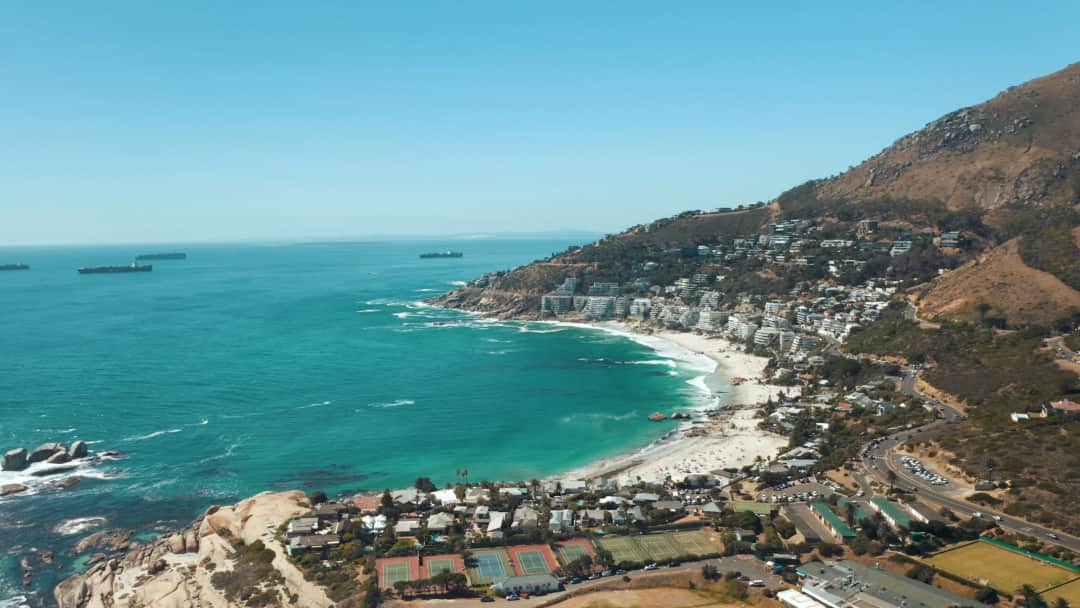
Clifton's four coves are the most sheltered, Camps Bay is the see and be seen strip under the Twelve Apostles, and Llandudno and Sandy Bay are wilder and less developed. All of them are on the Atlantic, which means the water comes off the Benguela current and is cold enough to make swimming a brief and shrieking business, whatever the air temperature says. If you actually want to swim, cross to False Bay, where Muizenberg and Fish Hoek are markedly warmer. Muizenberg's long gentle break is where most of Cape Town learns to surf and there are boards and lessons on the beachfront. Pay attention to the shark spotter flags there; the programme is well run and the flags mean what they say.
The Whale Coast day trip
From roughly June to November, southern right whales come inshore along the coast east of Cape Town to calve, and at Hermanus they come close enough that you watch them from a cliff path with no boat involved. It is about an hour and a half each way, and the drive itself along Clarence Drive between Gordon's Bay and Rooi Els is one of the finest coastal roads in the country. Gansbaai further along is the base for boat based whale watching and for shark cage diving, though great white sightings there have become far less predictable in recent years and operators are honest about that when asked. Out of whale season, do the drive anyway and swim at Betty's Bay, where there is a second, quieter penguin colony.
City
Cape Town
Take it with you
Everything on this page in one document you can keep, print, or send to whoever you are travelling with. No email required.
Five nights is the realistic minimum and seven is better. The reason is not that there is an overwhelming amount to see, it is that the weather will take at least one day away from you, and Table Mountain, Robben Island and the peninsula all need a clear, still day to be worth doing. A week gives you room for a full peninsula day, a winelands day, two days in the city itself, the mountain on whichever morning looks best, and a spare day for the thing that got cancelled. Three days is possible but you will spend it driving between highlights and you will resent the wind.
It deserves a straight answer rather than either reassurance or alarm. South Africa has high rates of violent crime, but the great majority of it happens in areas that visitors have no reason to be in and is not directed at tourists. What actually affects travellers is opportunistic: phone snatching, bag theft, and break-ins to cars left with anything visible inside. The habits that address most of it are simple. Leave nothing in a parked car, ever, including in the boot if you were seen putting it there. Do not walk around with a phone in your hand at night. Use ride hailing after dark rather than walking, even short distances in the city bowl. On the mountain, walk in a group rather than alone, particularly on quieter trails and at the trailhead car parks, which is where the occasional incidents happen. Be alert at scenic viewpoints and lay-bys after sunset. Follow those and most visitors have an entirely uneventful trip. Cape Town is not a city to be frightened of, but it is one to be present in.
February to April. The wind has calmed from its summer peak, the sea is at its warmest, the days are long and the holiday crowds have gone. March is the single best month if you can choose freely. December and January are hot, busy and windy, and they are the most expensive weeks of the year. June to August is wet and cool but green, cheap and quiet, with whales along the coast and the compensation that clear winter days here are exceptional. October and November are a reliable second choice with spring flowers to the north.
For the city itself, no. Ride hailing is cheap, plentiful and generally the easiest way to move around the central areas and the Atlantic seaboard, and it saves you the parking problem. For the peninsula, yes, unless you take a tour. The pleasure of that day is stopping when something looks good, and a car makes it yours. For the winelands, a car works but a driver or the Franschhoek wine tram works better for obvious reasons. If you are going on to the Garden Route afterwards, rent from the point you leave the city rather than paying to park it for a week.
Yes, but pick your side. The Atlantic beaches, Clifton, Camps Bay, Llandudno, sit in the cold Benguela current and the water is bracing at best, often around twelve to fifteen degrees. People swim, but briefly. They are magnificent beaches for lying on and unforgiving to swim in. False Bay on the other side of the peninsula is noticeably warmer, and Muizenberg, Fish Hoek and St James are where families actually swim. Muizenberg is also the beginner surf beach for the whole city. Swim at beaches with lifeguards, note the shark spotter flags in False Bay, and treat the Atlantic side's shore break with respect because it can be heavier than it looks.
Book Robben Island as far ahead as you can, especially in summer. It sells out, and because the ferry is cancelled in rough seas you want your booking early enough in the trip that a cancellation still leaves you a second chance. For the cableway, buying online in advance saves queueing but it does not protect you against wind, which is what actually closes it. The workable approach is to check the cableway's own status before you set off in the morning and to treat the mountain as a first-clear-day activity rather than a scheduled one. If it closes, Lion's Head and Signal Hill are both good substitutes with much of the same view.
South Africa has had years of scheduled electricity rationing, known locally as load shedding, where areas lose power on a published rota. The situation has fluctuated considerably and it is worth checking the current position close to your trip rather than relying on anything written in advance. In practice it affects visitors far less than it affects residents. Hotels, guesthouses and most restaurants run inverters or generators, and the schedules are published in apps so nothing is a surprise. The things to keep in mind are traffic lights going dark at intersections, which makes driving at those junctions slower and more careful, and keeping a power bank charged.
Unusually good. The penguins at Boulders are a guaranteed hit and require nothing more than a boardwalk. The cableway does the mountain without a hike. The Two Oceans Aquarium at the Waterfront is well done, Kirstenbosch has space to run and a canopy walkway, and Muizenberg is a gentle beach with warm water and surf lessons. The practical constraints are distances, since the peninsula day is a lot of car time for small children, and sun, which is fierce in summer. Break the peninsula into two half days if you need to. Self-catering apartments are widely available and often better value than hotels for a family.
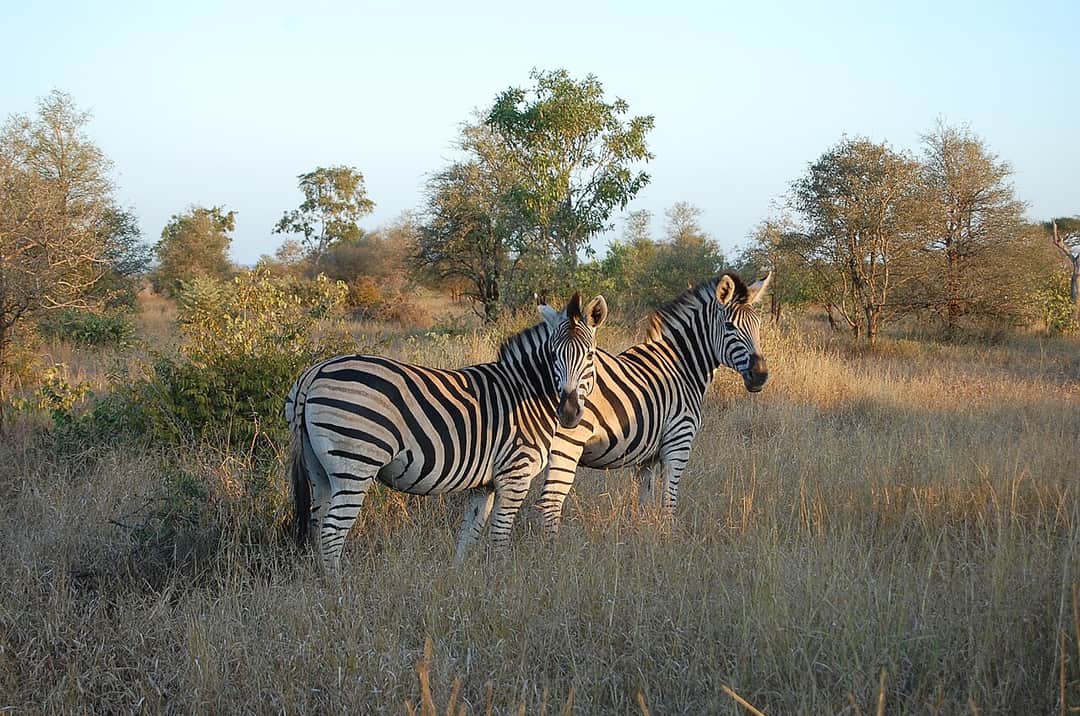
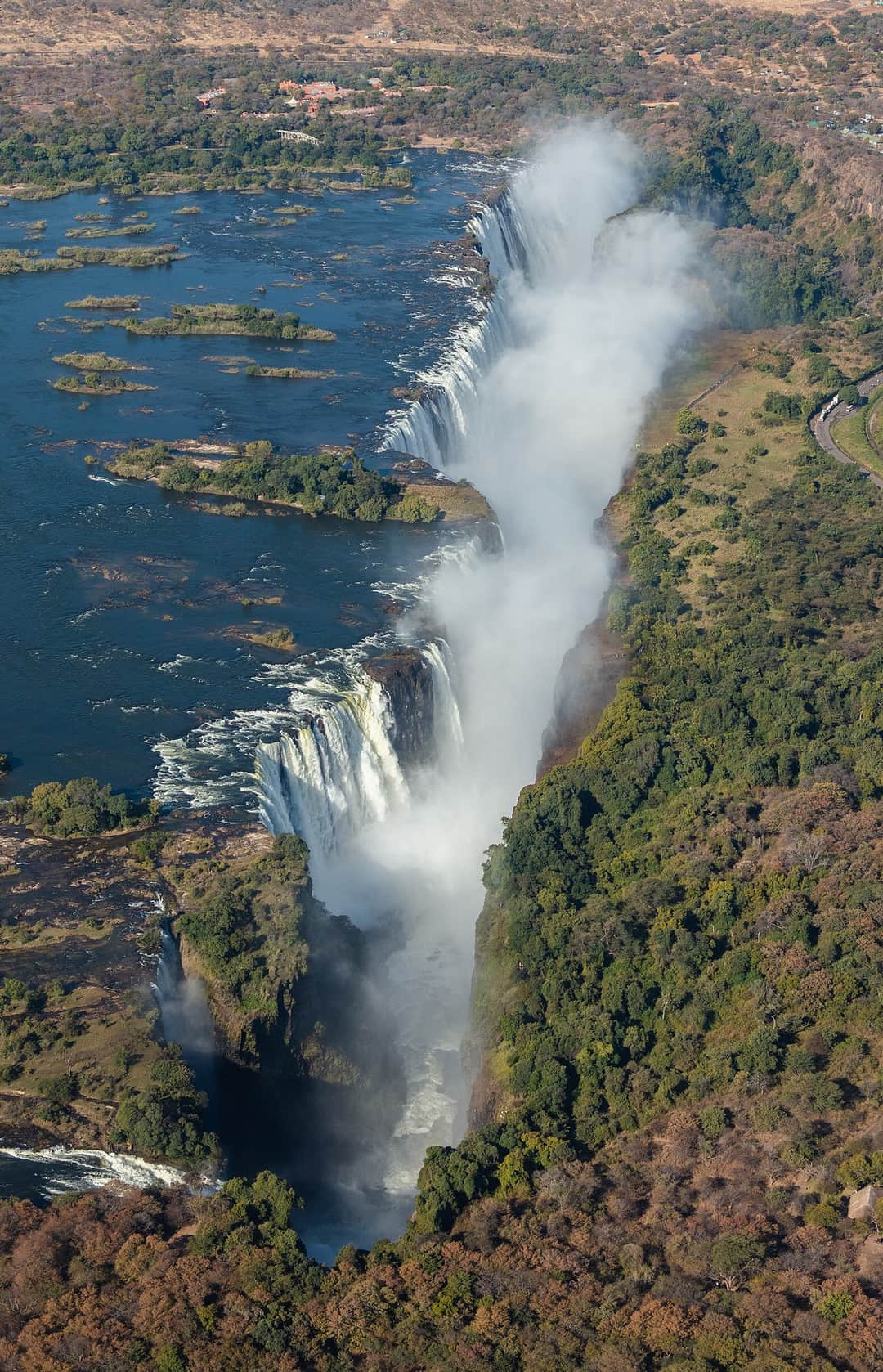
Easily, and most people should. There is no big game in Cape Town itself and the private reserves within a couple of hours of the city are small and stocked rather than genuinely wild, so if wildlife is important treat it as a separate leg. The standard combination is Cape Town and Kruger, linked by a two hour domestic flight to Mbombela or Hoedspruit, and it works well because the two halves are so unlike each other. The alternative is Cape Town, the Garden Route by car, and a malaria free Eastern Cape reserve at the end, which avoids the flight and suits families or anyone nervous about malaria areas. Longer itineraries add Victoria Falls or Botswana. If you are doing several countries, put Cape Town first while you still have the energy for it, because it is a city that asks you to be out all day.