National park in Botswana
The Okavango is a river that never reaches the sea. It rises in the highlands of Angola, runs southeast across the Caprivi Strip into northern Botswana, and then simply stops, fanning out across a flat sand basin at the top of the Kalahari into thousands of channels, lagoons, reed beds and palm islands until it evaporates and sinks away. There is no delta mouth. There is no coast. It is one of the very few inland deltas of any size on earth, and it produces something that should not exist: a permanent wetland in the middle of a desert.
The fact that reorganises everything else is that the delta floods in the dry season. The rain that fills it falls on the Angolan highlands roughly between December and February, and the water takes months to work its way down and spread out across the flats. So the flood arrives in Botswana around May and peaks somewhere between June and August, which is exactly when the local rains have stopped, the surrounding bush has dried out and the temporary pans elsewhere have vanished. The delta is at its fullest and greenest at the moment the country around it is at its driest and hardest, which is why wildlife pours into it in winter and why the best game viewing here coincides with the highest water.
Being there is quieter than most safaris. The signature experience is the mokoro, a shallow dugout canoe poled from standing at the back, in which you sit at water level and move through reed channels with no engine and almost no sound. Frogs the size of a fingernail cling to the stems beside your head. A jacana walks across the lily pads. It is not a productive way to find lions and nobody claims otherwise. It is the way you understand what the place actually is.
The honest caveats matter here more than in most destinations. Botswana runs a deliberate policy of high value, low volume tourism: few beds, small camps, high prices, minimal vehicles. That gives you sightings with nobody else present, and it makes the delta one of the most expensive safari destinations in Africa. Most camps are reached by light aircraft from Maun rather than by road, with strict baggage limits. And the flood is not the same every year, so what is possible on water, and where, shifts from season to season. Ask any camp what the water is doing before you book a trip around mokoro.
What you get in return is a wilderness with almost nobody in it: elephant crossing a floodplain in line, red lechwe exploding through shallow water, wild dogs hunting at dusk, and a silence that people talk about for years afterwards.
Best time to visit
The dry season, roughly May to October, is the best time and it is not a close decision. The flood is in, the surrounding country is parched, and animals concentrate on the water in numbers. Vegetation has thinned so you can actually see through it. There are no mosquitoes to speak of by mid-winter and malaria risk is at its lowest. Mokoro and boat activities are at their best because there is water to run them on.
Within that window, June and July are cool and beautiful. Nights and early mornings are genuinely cold, sometimes near freezing, and a pre-dawn game drive on an open vehicle in June is an experience in layers, blankets and hot water bottles that surprises people who packed for Africa. August, September and October are the peak for wildlife, as the last water shrinks and the concentrations get extreme, but October is punishingly hot, often well over forty degrees by afternoon, and it is known locally as the suicide month for good reason. If you can tolerate heat, October delivers the most dramatic game viewing of the year.
The green season, roughly November to March, is a different trip. The local rains arrive as short violent afternoon storms, the bush erupts into growth, and the water level in the delta is actually at its lowest because the previous flood has drained away and the next has not yet arrived from Angola. Animals disperse because water is available everywhere. Game viewing is harder but the landscape is spectacular, the light after storms is extraordinary, migrant birds arrive in numbers, and impala and lechwe drop their young, which brings predators. Rates fall substantially and camps are quiet. Some camps close for part of it.
April and November are the shoulders and they can be excellent value, with April in particular offering green landscapes and rising water without high season pricing. If this is your only trip to Botswana, take the dry season. If it is your second, or you are a photographer or birder, the green season has more to offer than its reputation suggests.
High season
July to October is the peak, with July and August the busiest and most expensive weeks, driven by European summer holidays coinciding with the height of the flood. Camps are small, often under a dozen rooms, so the good ones sell out nine to twelve months ahead for this window and the best guides are booked with them. Christmas and New Year forms a short second peak. February and March are the quietest months, and some camps close entirely during them.
The delta's wildlife is shaped by water, and the animals that define it are the ones adapted to living in it. Red lechwe are everywhere on the floodplains, an antelope with elongated splayed hooves and a water repellent coat that lets it run through knee deep water faster than a predator can follow. Sitatunga, a shy swamp antelope with even more extreme hooves, hides in the papyrus and is seen far more rarely. Hippo maintain the channels themselves: the paths they push through the reeds each night are what keeps the waterways open, so the delta's own plumbing is partly hippo made.
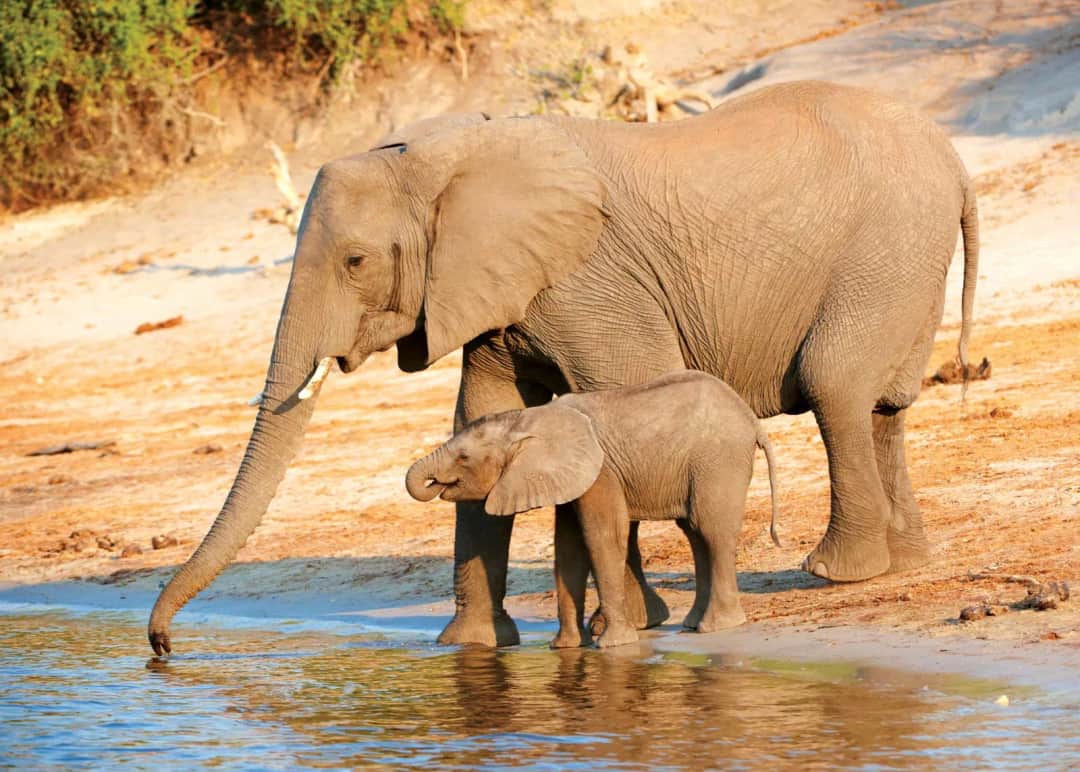
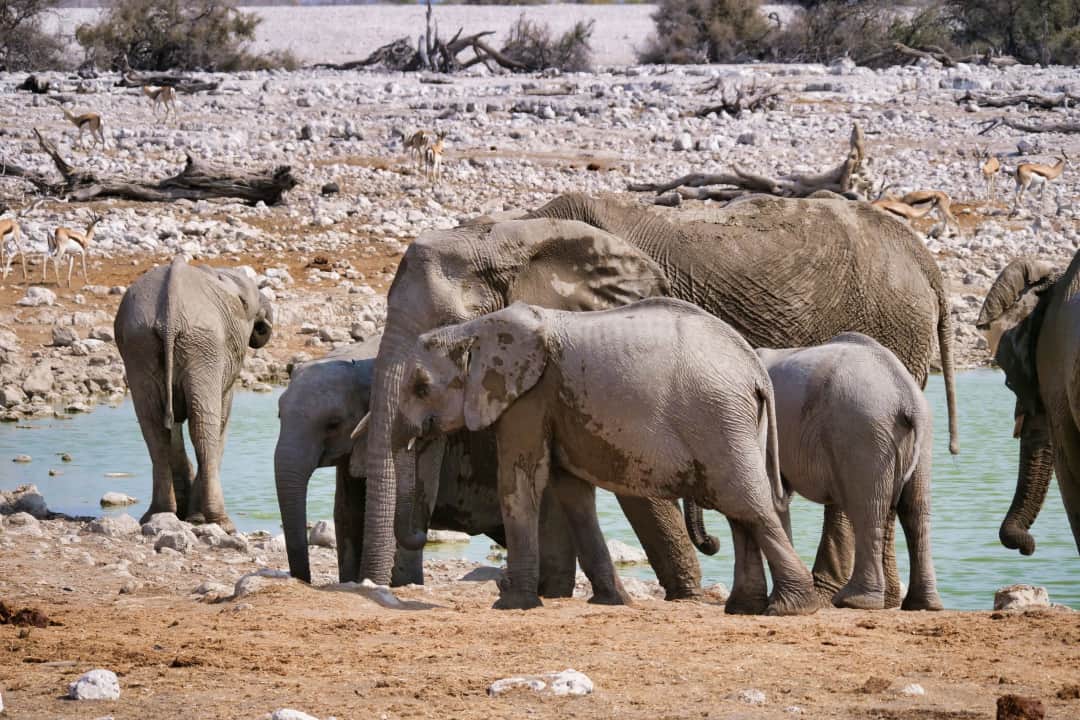
Botswana holds the largest elephant population of any country in Africa and a great many of them use the delta and the woodland around it. Herds crossing a flooded plain, trunks up, calves swimming, is the image most people come away with. Buffalo move in herds of hundreds on the drier floodplains, and where the buffalo go, lion follow. Delta lions are famous for being large, water tolerant and unusually willing to swim between islands, which is not typical lion behaviour anywhere else.
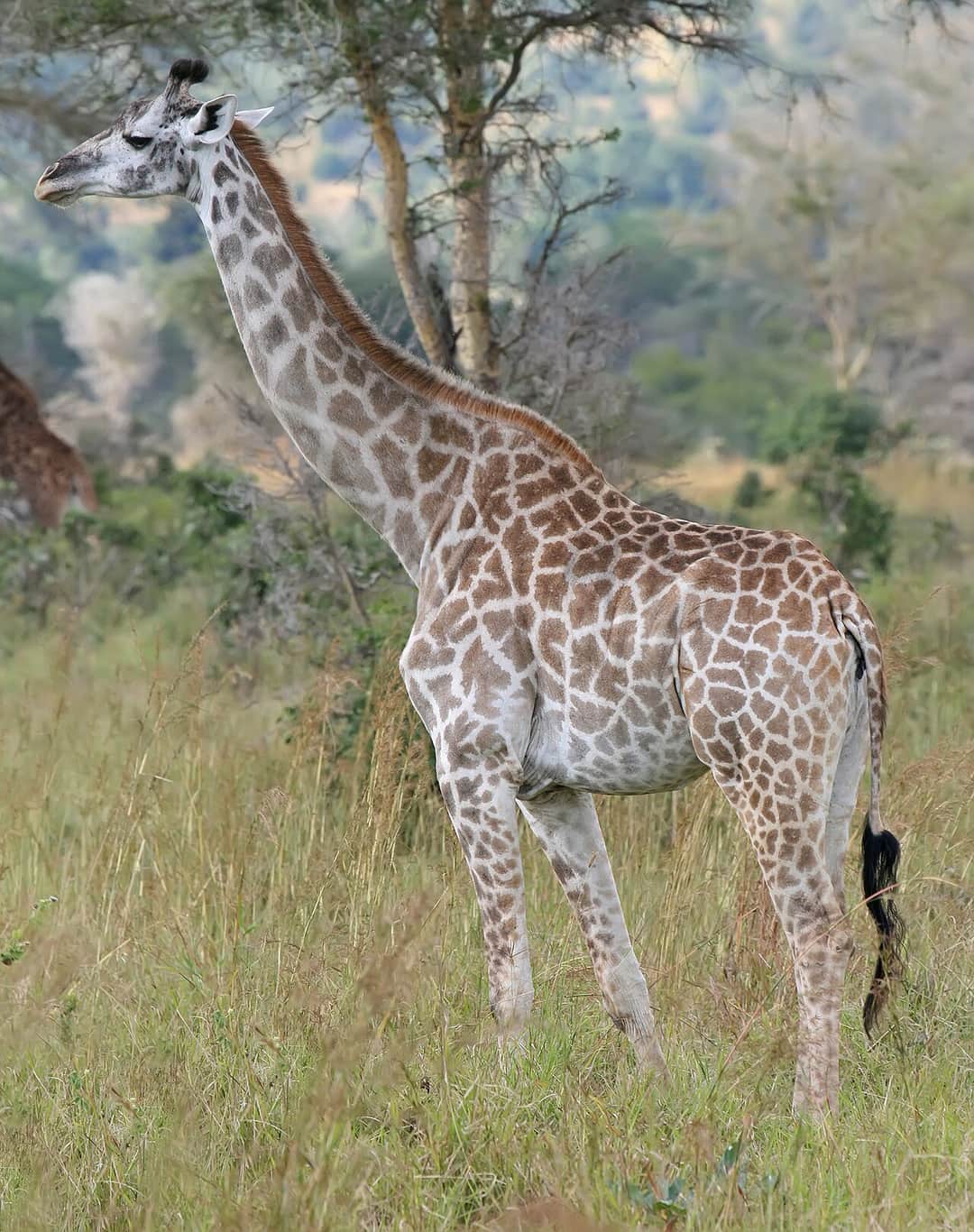
The delta is one of the best places on earth to see African wild dog. The species is endangered across its range and northern Botswana holds one of the strongest remaining populations, with packs that are well known to camps and often followed for days. Leopard are common in the riverine thickets and on the islands. Cheetah prefer the drier open grassland at the delta's edges. The realistic gap in the list is rhino, which have suffered badly from poaching pressure in the region and are not something to plan a trip around. If a Big Five tick is your objective, the delta is the wrong destination and Kruger or a South African reserve is a better one.
Birding here is world class and it is one of the few safari regions where non-birders convert. African fish eagles call constantly and become the soundtrack. Malachite kingfishers sit on reed stems a metre from a mokoro. Saddle-billed storks, wattled cranes, slaty egrets and the increasingly scarce Pel's fishing owl are all delta specialities, and from around November to March the migrants arrive, including the carmine bee-eater colonies that nest in the riverbanks. Bring binoculars even if you did not think you were the type.
A mokoro trip through the channels
The thing the delta is known for, and the reason to come. A mokoro is a shallow dugout canoe, traditionally carved from a single ebony or sausage tree and now usually made in fibreglass to spare the trees, poled from a standing position at the stern by someone who has done it since childhood. You sit almost at water level with the reeds closing over your head, moving at walking pace with no sound but the pole. It is not the way to find big cats, and expecting that will disappoint you. What it delivers is intimacy: painted reed frogs on the stems, dragonflies, lilies opening, a sitatunga disappearing, the smell of crushed papyrus. Most trips run an hour or two in the early morning or late afternoon and often combine with a walk on an island. Confirm with your camp that water levels support mokoro in the season you are travelling, because in low water years and in the November to January window it is simply not possible everywhere.
Game drives in Moremi Game Reserve
Moremi occupies the eastern side of the delta and is the only formally protected part of it, proclaimed by the local community rather than by government, which is unusual and worth knowing. It mixes permanent water, seasonal floodplain, mopane woodland and the huge landmass of Chief's Island, and it holds excellent lion, leopard, wild dog and elephant. Because it is a public reserve, the rules are stricter than in the private concessions: vehicles must stay on tracks, there is no off-road driving, no night driving and no walking. In exchange it is far more affordable, it is reachable by road from Maun for those on a mobile safari, and areas like Khwai and Xakanaxa are outstanding. Most itineraries that mix budget and quality use Moremi as their land based leg.
A private concession with off-road and night driving
Most of the delta outside Moremi is divided into large private concessions leased to single operators, which is the mechanism behind Botswana's low volume model. One camp of perhaps eight to twelve rooms may have exclusive use of an area of several hundred square kilometres. The practical consequence is that you will rarely see another vehicle at a sighting, and often none all day. Concessions also permit what Moremi does not: leaving the track to follow a leopard, driving after dark with a spotlight to find genets, civets, porcupines and hunting lion, and guided walking. This, more than the camp's thread count, is what the higher price actually buys, and it is the single biggest difference in experience between a concession and the public reserve.
Walking safaris on the islands
Available in the private concessions and normally led by two armed guides, usually in the early morning while it is cool. You will not cover much ground and you are not trying to. On foot the scale changes completely: you read tracks in the sand, look at what a termite mound does to the vegetation around it, work out from dung what came through in the night, and approach general game with the wind in your face. Encountering elephant or buffalo on foot, at a proper and controlled distance, resets most people's sense of what a safari is. It is also the antidote to too many days sitting in a vehicle, and three nights into a trip it is usually the activity people most want to repeat.
Boat safaris on the permanent waterways
Where a mokoro gives you intimacy, a motorboat gives you range, and in the permanent water areas of the delta and along the Panhandle in the northwest it is the way to cover ground. You slip along channels between papyrus walls into open lagoons, pass hippo pods and crocodiles on sandbanks, and reach heronries and stretches of riverine forest that no vehicle gets to. It is the best platform for birds, and it is where the serious searches for Pel's fishing owl happen, in the shaded fig and jackalberry trees along the water. Boats need deep permanent channels, so availability depends on where your camp sits and what the flood has done. Sunset from a boat with a fish eagle calling is one of the better hours the delta offers.
A scenic flight over the delta
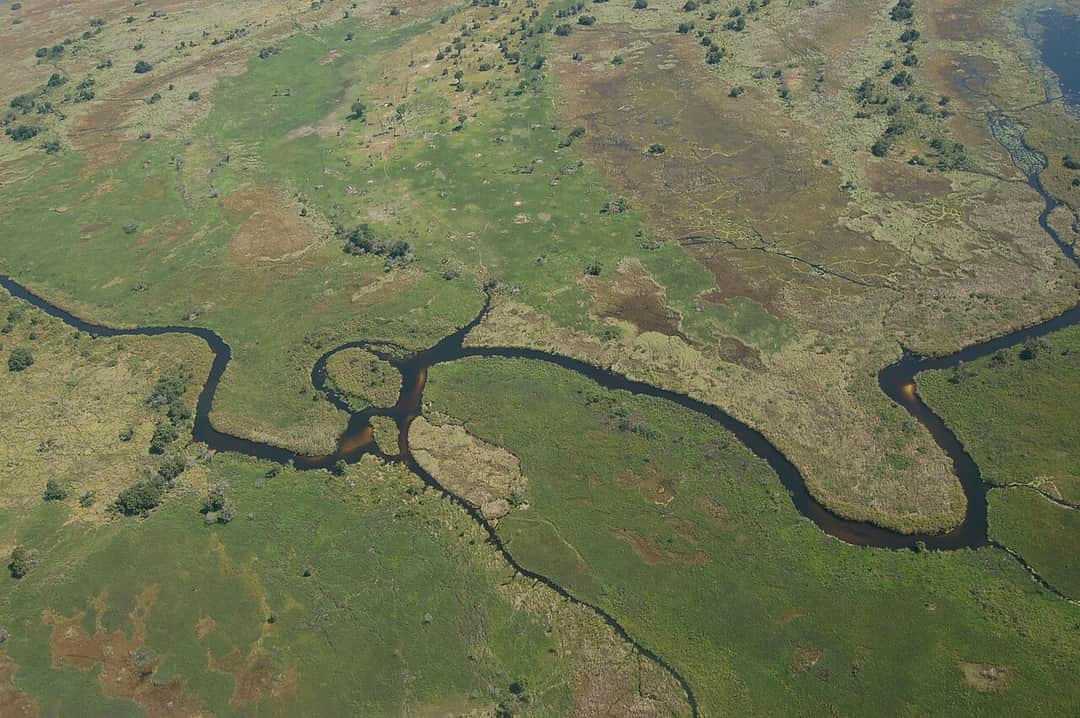
From the ground the delta is a series of channels and islands. From the air it is a vast branching fan of silver water and green islands stretching to the horizon, and it is the only way to grasp the shape of the thing. Light aircraft and helicopter flights run out of Maun, and helicopters with the doors removed are the photographers' choice. From above you see the pattern of hippo paths, herds of buffalo strung out on a floodplain and elephant moving between islands. If you are flying into a camp anyway, your transfer flight already gives you a version of this for nothing, so consider whether a dedicated flight adds enough. Where it earns its place is the doors-off helicopter, which is a genuinely different thing from a transfer in a Cessna.
Khwai, the community areas and mobile camping
The delta does not have to be a fly-in luxury trip, and pretending otherwise puts people off unnecessarily. The Khwai community area on Moremi's northeastern boundary is managed by the local community, is reachable by road from Maun, and permits off-road driving and night drives that Moremi itself does not, at a fraction of concession prices. Around it, mobile safari operators run participation and fully serviced camping trips that move between Moremi, Khwai, Savuti and Chobe over a week or ten days, sleeping in dome tents in unfenced bush camps. You give up hot towels and a pool. You get the same animals, the same guides in many cases, and nights under canvas with hyena calling, for a small fraction of the cost. For many people this is the better trip, not just the cheaper one.
National park
Okavango Delta
Take it with you
Everything on this page in one document you can keep, print, or send to whoever you are travelling with. No email required.
Because the water is not local. The rain that fills the delta falls on the Angolan highlands, roughly a thousand kilometres upstream, during their wet season from around December to February. It then takes several months to travel down the Okavango River and spread out across the almost perfectly flat sand basin in northern Botswana. The result is that the flood arrives in Botswana around May, well after the local rains have finished, and peaks somewhere between June and August. So the delta is at its fullest when the surrounding Kalahari is at its driest. This is exactly why the wildlife is so concentrated in winter: for animals across a huge area, this is where the water is.
May to October for wildlife, with July to September the classic window. The flood is high, the bush is thin, animals are concentrated on water, and mosquitoes and malaria risk are at their lowest. June and July are cold at dawn and pleasant by day. September and October are hot to very hot, and October in particular is extreme, but the game viewing then is the best of the year. November to March is the green season: hot, wet, dramatic, cheaper and much quieter, with excellent birding and newborn antelope but harder game viewing as animals disperse. April and November are good value shoulder months. For a first trip, go in the dry season.
Slow, low and quiet. You sit on a cushion in the bottom of a shallow dugout with the water a few centimetres below the gunwale and your poler standing behind you, pushing off the sandy bottom in shallow channels through reeds and papyrus. You are eye level with the water surface, which is a completely different perspective from a vehicle, and because there is no engine you hear everything. Manage your expectations about big animals. Polers keep well clear of hippo and crocodile for obvious reasons, so a mokoro is not a game drive on water. What it is good for is frogs, dragonflies, kingfishers, water lilies, lechwe on the floodplains and the sensation of moving through the delta rather than looking at it. Most people rate it among the highlights of their trip. It usually runs one to two hours and is often combined with a guided walk on an island.
If the delta is the trip rather than one stop on a longer one, yes for most people who go. What you are paying for is not luxury, although you often get it. You are paying for exclusivity, and it shows up in ways that are hard to appreciate until you are there: no other vehicles at a sighting, guides who can leave the track and follow a leopard for an hour, night drives, walking, and the ability to stay with a wild dog pack rather than moving on because six other cars are waiting. The honest counterargument is that the animals themselves are not rarer than in cheaper destinations. If your priority is quantity of wildlife per pound spent, Kruger or the Serengeti will give you more. If your priority is the quality and privacy of the experience and a landscape that has no equivalent, this is where that is available.
Yes, and this is the most useful thing a guide can tell you about Botswana. Mobile safaris out of Maun run road based camping trips into Moremi, Khwai and on to Savuti and Chobe, sleeping in dome tents in unfenced bush camps with a cook and a guide. They cost a fraction of a fly-in camp and they visit the same reserves with often the same calibre of guide. The Khwai community area is the other lever: it is road accessible, cheaper than the private concessions, and it permits off-road and night driving. Day mokoro trips can be arranged from the Maun side into the eastern delta. What you give up is the deep inland water areas that only aircraft reach, the swimming pool and the wine list. What you keep is the wildlife and the wilderness. For a lot of travellers that is the better trade.
For most camps in the delta proper, yes. There are no roads through the water, and the camps in the inner delta and the private concessions are served by light aircraft from Maun, sometimes with a short hop and sometimes with two or three stops on the way. The flights are short and the views are part of the experience. The things to plan for are baggage limits, which are strict on small aircraft, typically around twenty kilograms in a soft bag with no rigid frame, and body weight declarations, which are routine and not personal. Excess luggage can usually be stored in Maun. Moremi's eastern side, Khwai and Chobe are all reachable by road, so a road based itinerary is entirely possible if flying is not for you.
Probably four of them. Elephant are close to guaranteed and often in large numbers, buffalo herds are common on the floodplains, lion are reliable in the good areas, and leopard are seen regularly in the riverine thickets and on the islands. Wild dog, which is not on the list at all, is arguably the delta's best sighting and one of the strongest reasons to come here rather than elsewhere. Rhino is the one you should not count on. Poaching pressure across the region has been severe and the population in the delta is not something to plan around. If completing the Big Five matters to you, add a leg in South Africa or Namibia where rhino sightings are far more likely, and let Botswana be about water, wild dog and space.
Yes, with the camp's rules followed. Almost all delta camps are unfenced, which means elephant walk between the tents, hippo graze on the lawn at night and hyena pass through. This is deliberate and it is a large part of what makes staying there memorable. The rules are short and non-negotiable. After dark you are escorted to and from your tent by a member of staff, and you do not walk alone, no matter how short the distance. Keep the tent zipped, both against baboons in the day and everything else at night. Do not keep food in your room. If something is outside your tent at night, stay inside and use the horn or radio the camp provides. Incidents are rare, and where they happen they nearly always follow somebody ignoring one of those points.
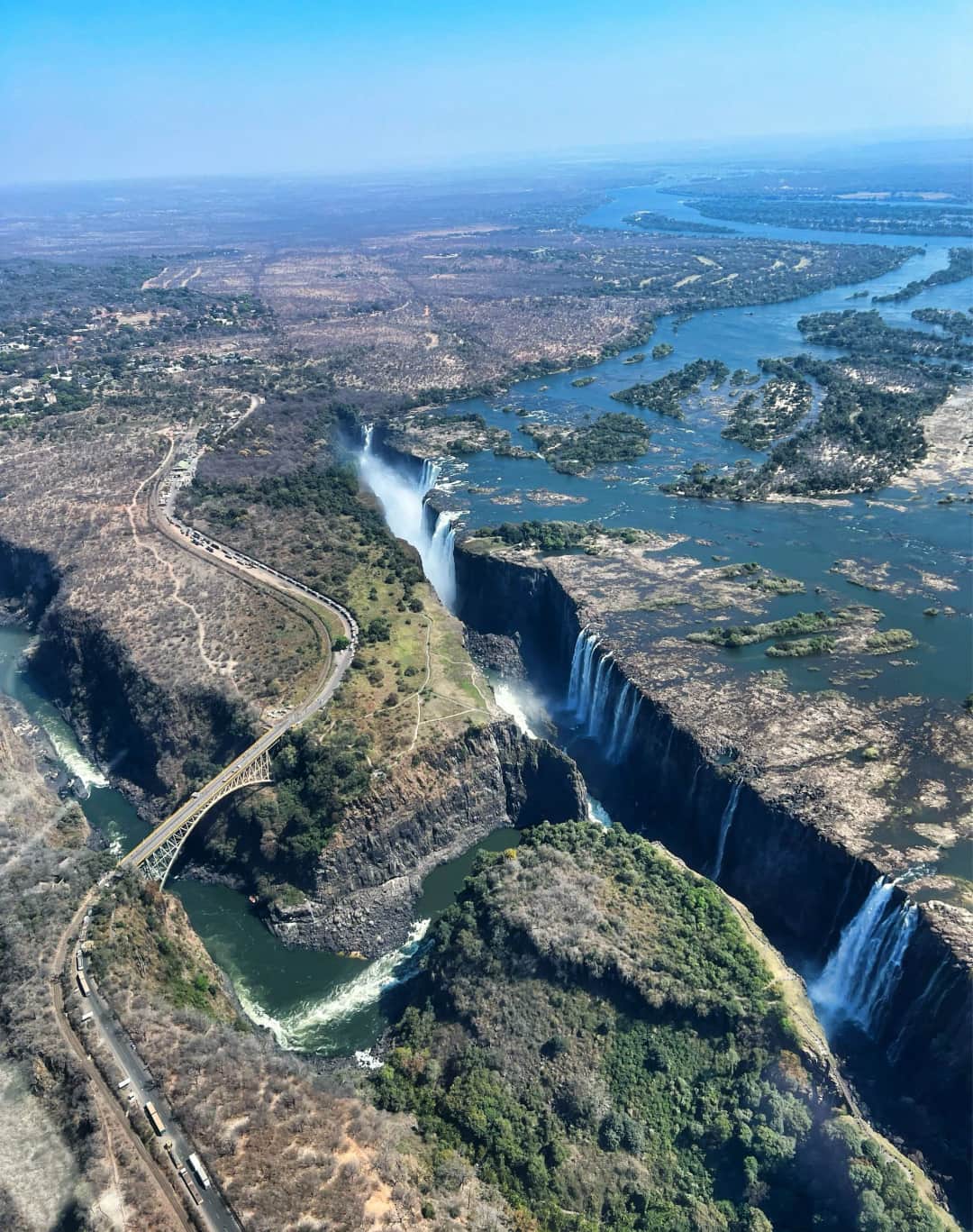
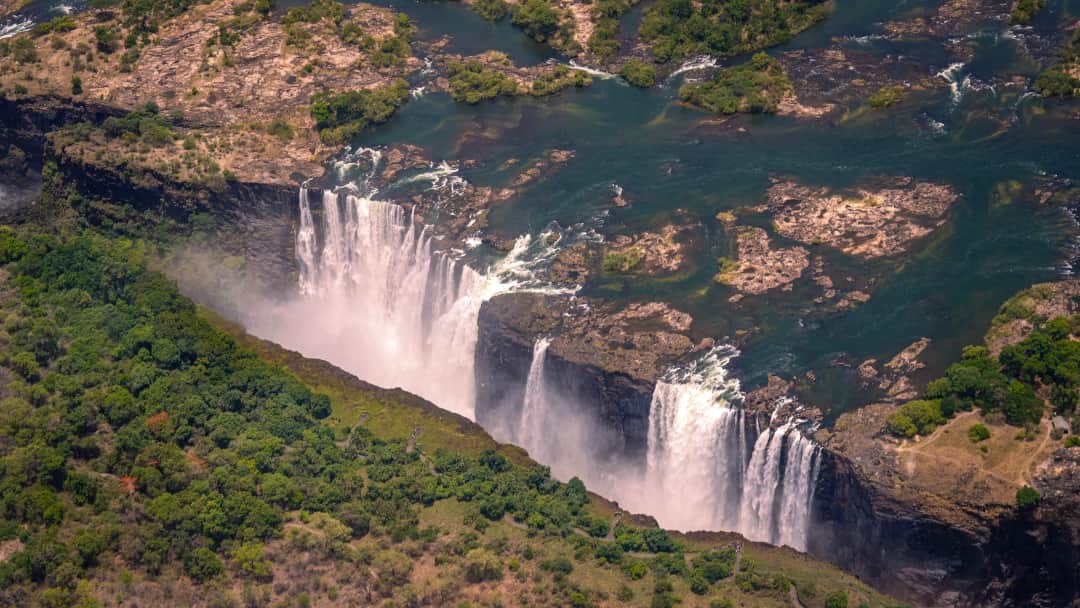
Three nights in one camp is the practical minimum, because a night is lost to arrival and another to departure once flight timings are accounted for. Four is comfortable. The stronger recommendation is to split a longer trip between two contrasting areas: a water camp in the permanent delta for mokoro, boats and birds, and a drier land camp with more open floodplain for predators and general game. They feel like different countries and the contrast is most of the point. A week gives you two camps of three or four nights each with time to settle. Ten days or more lets you add Chobe or the Linyanti in the north, or the Makgadikgadi Pans to the southeast, and finish at Victoria Falls, which is a short flight from Kasane and a natural end to the circuit.