Eastern Africa
Rwanda built a gorilla-trekking industry around one hard advantage: Volcanoes National Park sits under three hours from Kigali International Airport, so travelers can land, trek, and be back in the capital the same week without the long transfers Uganda's Bwindi often requires. Kigali itself is the country's second draw, a hilly, remarkably clean capital where the Kigali Genocide Memorial gives visitors an honest, unhurried grounding in the 1994 genocide before they head into the parks. Beyond the gorillas, Nyungwe Forest adds chimpanzee trekking and one of Africa's longest canopy walkways, Akagera National Park in the east has rebuilt a genuine Big Five savanna over the past two decades, and Lake Kivu's shoreline towns give a trek-based itinerary a low-key finish. It's a small country, which works in its favor: nothing is more than a half-day's drive from anything else, so a first-time visitor can cover gorillas, rainforest, savanna, and lake in ten days with almost no backtracking.
Where is Rwanda?
Best time to visit
Rwanda has two dry seasons, June to mid-September and December to February, and both are good for gorilla and chimp trekking because forest trails are firmer and leeches and mud are less of an issue. The long rains (March to May) and short rains (October to November) don't shut trekking down, permits are issued year-round and gorilla families are tracked daily regardless of weather, but trails through Volcanoes and Nyungwe get slick and visibility on Lake Kivu boat trips drops. Birders and photographers often prefer the wetter shoulder months for lush scenery and thinner crowds at Akagera. Pack for cold, damp mornings at altitude in Volcanoes National Park regardless of season; the trailhead sits above 2,400m.
High season
June through September is peak season, driven by the Northern Hemisphere summer holidays and the driest trekking conditions, and gorilla permits for these months sell out furthest in advance. Late December into early January sees a shorter secondary spike around the holidays.
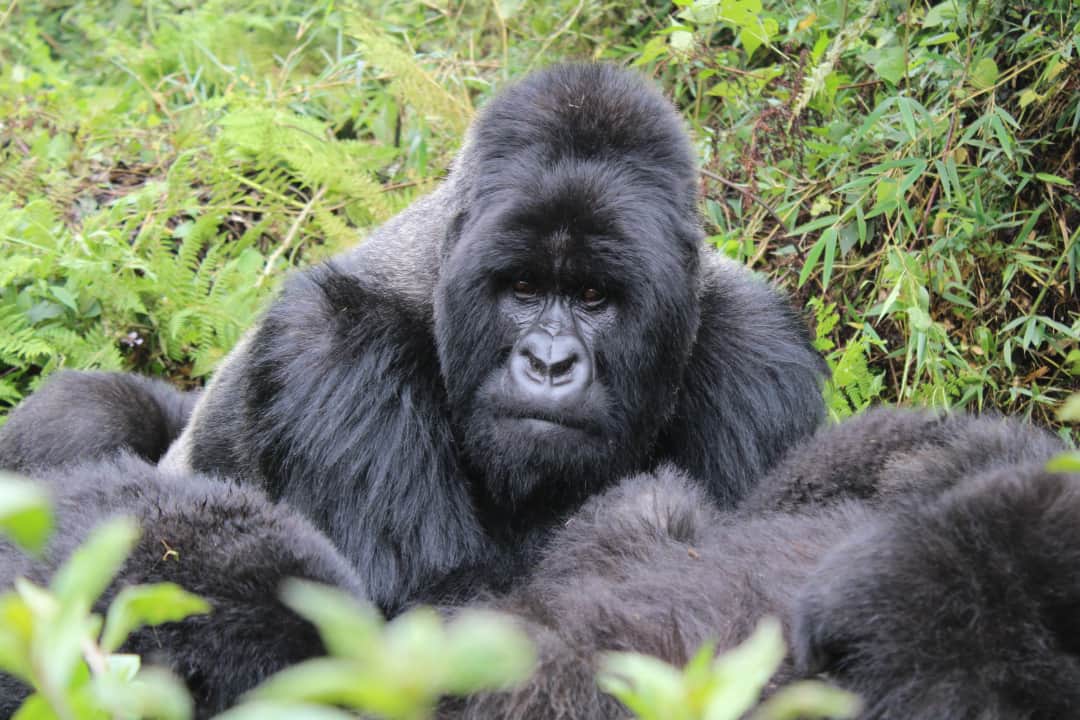
The headline is mountain gorillas in Volcanoes National Park, home to several habituated families in the Virunga foothills and one of only three countries on earth where they can be tracked. The same park has golden monkeys, an easier, flatter trek through bamboo forest. Nyungwe Forest holds chimpanzees plus a dozen other primate species, including large troops of Angolan colobus, and is one of East Africa's best birding forests. Akagera National Park, rehabilitated after decades of neglect and now managed with African Parks, has reintroduced lion and eastern black rhino alongside elephant, buffalo, giraffe, and hippo, making it a genuine Big Five savanna reachable in the same trip as the gorillas.
Track mountain gorillas in Volcanoes National Park
Groups of up to eight trekkers, with a guide and armed ranger, hike into the Virunga foothills to spend one hour with a habituated gorilla family. Treks range from under an hour to several hours each way depending on where the family has moved overnight. Permits are limited and issued per day, so this is the one Rwanda activity that needs to be booked months ahead, not the one to leave for arrival.
Track golden monkeys
A shorter, lower-altitude trek in the same park, through bamboo forest to a troop of endangered golden monkeys, an energetic species found almost nowhere else. It pairs well as a second activity the day after or before a gorilla trek and is far less physically demanding.
Walk the Nyungwe Forest canopy walkway
A suspension walkway strung between platforms high in the forest canopy, giving a rare view down into one of Africa's oldest rainforests. Combine it with a chimpanzee trek or a guided primate walk; Nyungwe's troops of Angolan colobus, sometimes several hundred strong, are as memorable as the chimps.
Visit the Kigali Genocide Memorial
The memorial at Gisozi is the burial site for a quarter million victims of the 1994 genocide and houses a museum that walks through the history, the killings, and the country's reconstruction with unflinching honesty. Most visitors set aside two to three hours; it is treated in nearly every Rwanda itinerary as essential context for understanding the country, not an optional add-on, and it is handled with the gravity the subject requires rather than as a tourist stop.
Game drive and boat safari in Akagera National Park
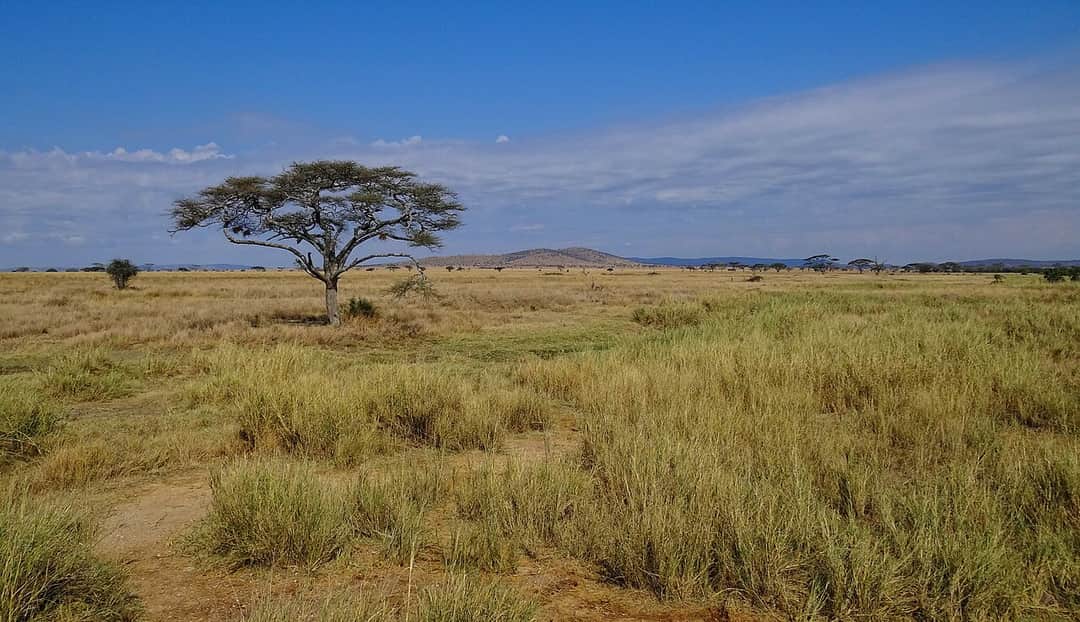
Savanna and wetland landscape in eastern Rwanda, with game drives for lion, elephant, giraffe, and buffalo, and a boat trip on Lake Ihema that gets close to large hippo pods and Nile crocodile. It's the country's answer to a classic East African safari, on a smaller, less crowded scale than the Serengeti or Maasai Mara.
Relax on Lake Kivu
One of Africa's Great Lakes, with lakeside towns like Gisenyi (Rubavu) and Kibuye (Karongi) offering boat trips, coffee-island tours, and simply a slower pace after a few days of trekking. It's a legitimate beach-style finish to a trip that never leaves a landlocked country.
Visit the King's Palace Museum in Nyanza
A reconstructed traditional royal residence and adjoining modern palace near Huye in southern Rwanda, with Ankole cattle bred for their long horns kept on site. It's the country's clearest window into pre-colonial Rwandan monarchy and culture, and a worthwhile stop for travelers routing between Kigali and Nyungwe.
Tour a coffee or tea plantation
Rwanda's volcanic highland soil produces some of the region's better arabica coffee, and several cooperatives near Lake Kivu and Huye run short tours covering the process from cherry to cup, often with a tasting. A good half-day addition for travelers with time between park stints.
A gorilla trek alone can be done in three days including arrival, but most itineraries run seven to ten days to add Nyungwe chimp trekking, a Kigali city and memorial day, and either Akagera or Lake Kivu. Because distances are short, extra days add depth rather than transit time.
It varies by which family you're assigned and where they've moved that morning; treks can be under an hour or run several hours each way over steep, sometimes muddy volcanic terrain at altitude. Porters are available to carry bags and give a hand on the climb, and rangers set the pace, but reasonable fitness is genuinely required, not just recommended.
Yes, Rwanda is consistently regarded as one of the safer and better-organized countries in the region for travelers, and Kigali in particular has a reputation for low street crime. Standard travel precautions still apply, and it's worth checking current government travel advisories before booking.
Yes, this is a common routing. Rwanda pairs naturally with Uganda for gorilla and chimp trekking across both countries, or with Tanzania or Kenya for a primate-and-savanna combination, since regional flights connect Kigali with Entebbe, Nairobi, and other East African hubs directly.
The dry months, June to September and December to February, offer firmer trails and are the easiest conditions, though trekking runs year-round and gorilla families are tracked daily regardless of season. The wetter months bring fewer crowds but muddier, harder climbs.
Yes, it's widely regarded as one of the most important stops in the country, built specifically to educate visitors and preserve memory rather than as an attraction. Most travelers find it sobering rather than uncomfortable to visit, and it's treated as essential context for understanding modern Rwanda, not a checklist item.
Yes, permits are limited per day and high season months routinely sell out months ahead, so this is the one part of a Rwanda itinerary worth locking in before anything else. Shoulder and wet season months have more availability if plans are flexible.
Country
Rwanda
Take it with you
Everything on this page in one document you can keep, print, or send to whoever you are travelling with. No email required.
We don't have tours in Rwanda yet
We work directly with real, vetted local operators across Africa. Tell us what you have in mind and we'll reach out personally once we have someone to match you with.