Duration
8 days
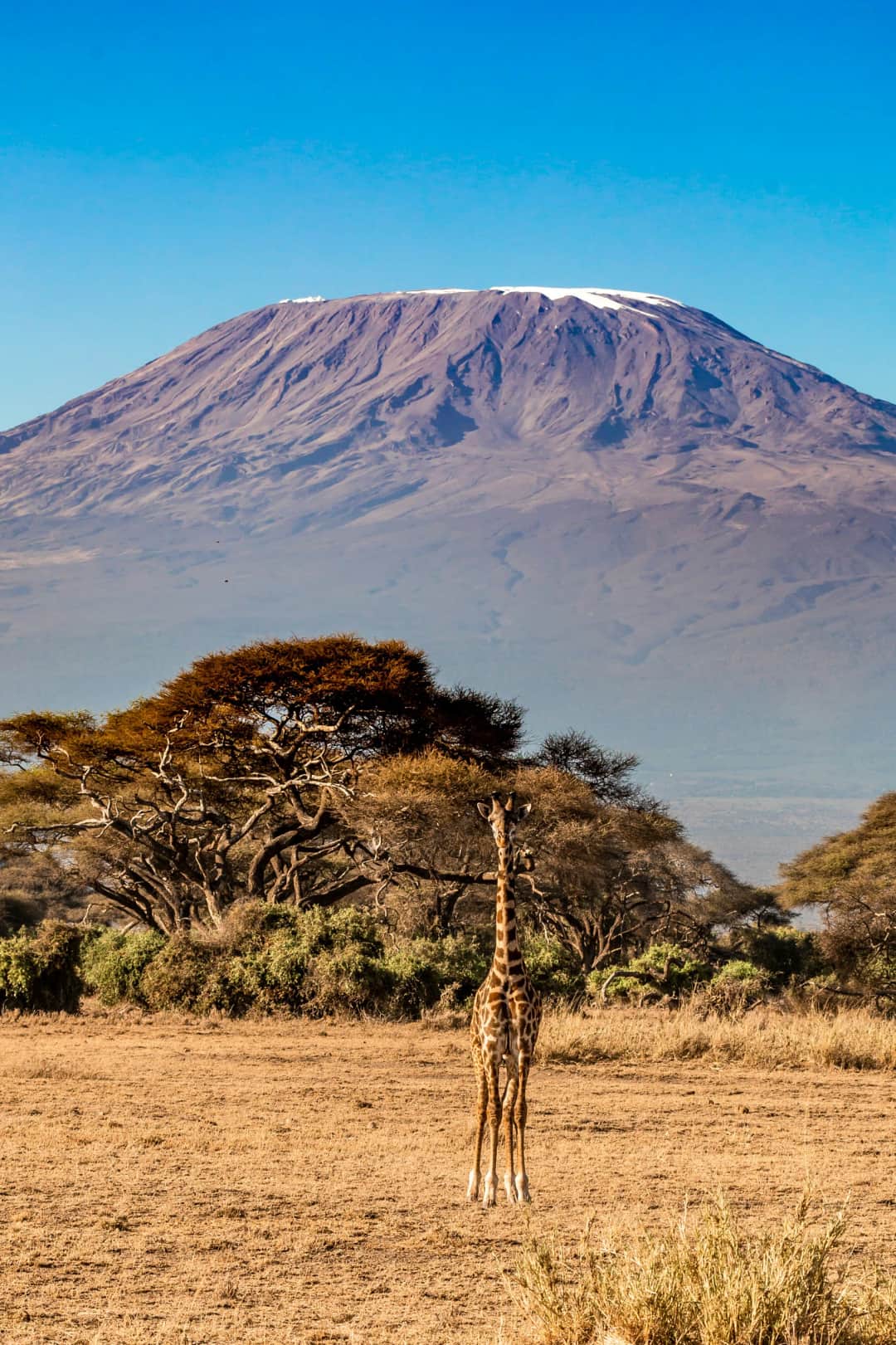
The Rongai Route is the only path that approaches Mount Kilimanjaro from the north, starting near the Kenyan border. This makes it a distinctly different experience from the more popular southern routes — quieter trails, drier conditions, and a stronger sense of wilderness throughout. The gradual ascent profile makes Rongai accessible for climbers with less experience at altitude, and the route's steady gradient allows the body to acclimatise naturally over the course of the climb. The descent follows the Marangu Route, giving trekkers the experience of two different sides of the mountain on a single trip. For those who want to avoid the busier southern trails and explore the less-seen face of Kilimanjaro, Rongai is a compelling choice.
Your trek begins in the morning with a transfer from your hotel to Rongai Gate, located near the Kenyan border. The drive takes approximately 4 hours. After registration and lunch, the hike begins through cultivated farmland and pine forest. The trail is gentle and steady, allowing for a comfortable start to the climb. You may spot wildlife such as colobus monkeys along the way. After 3-4 hours of trekking, you will arrive at Simba Cave Camp, located at the edge of the forest.
$2,100Per person
The day begins with a gradual ascent toward the Second Cave, where you will stop for lunch. The trail offers wide views as the vegetation becomes less dense. After lunch, the route continues across moorland with low vegetation and open landscapes. As you progress, the views of Mawenzi Peak become more prominent. You will arrive at Kikelelwa Camp in the afternoon, where you can rest and enjoy the surroundings.
Today's trek is shorter but steeper. The trail climbs through heath vegetation before reaching the alpine desert zone. After 3-5 hours, you will arrive at Mawenzi Tarn, one of the most scenic camps on Kilimanjaro, located beneath the towering Mawenzi Peak. The remainder of the day is spent resting or taking a short acclimatization hike around the area.
This day is dedicated to acclimatization, allowing your body to adjust to the altitude. You may take a short hike toward Mawenzi Ridge or explore the surrounding area before returning to camp. This "climb high, sleep low" approach helps improve your chances of a successful summit. The rest of the day is spent relaxing and preparing for the next stage of the climb.
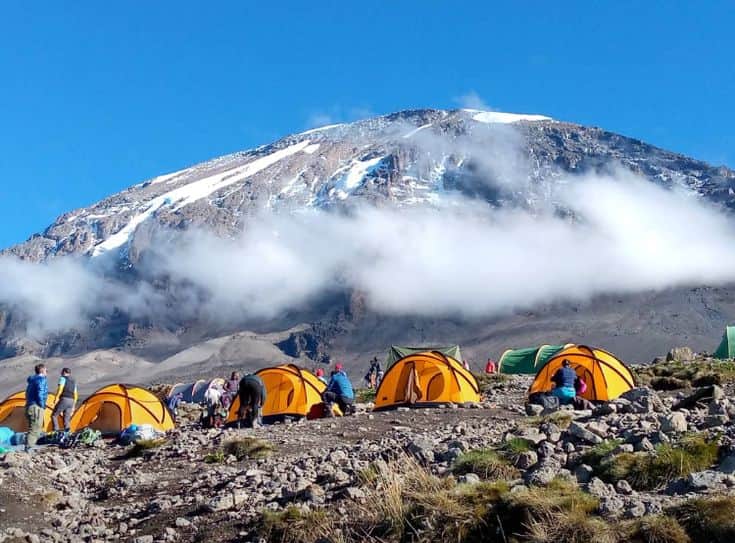
The trek today crosses the Saddle, a wide, barren expanse between Mawenzi and Kibo peaks. The terrain is dry and open, with little vegetation. The walk is long but gradual, allowing for steady progress toward Kibo Hut, which serves as your base camp for the summit attempt. Upon arrival, you will rest, have an early dinner, and prepare for the night ascent.
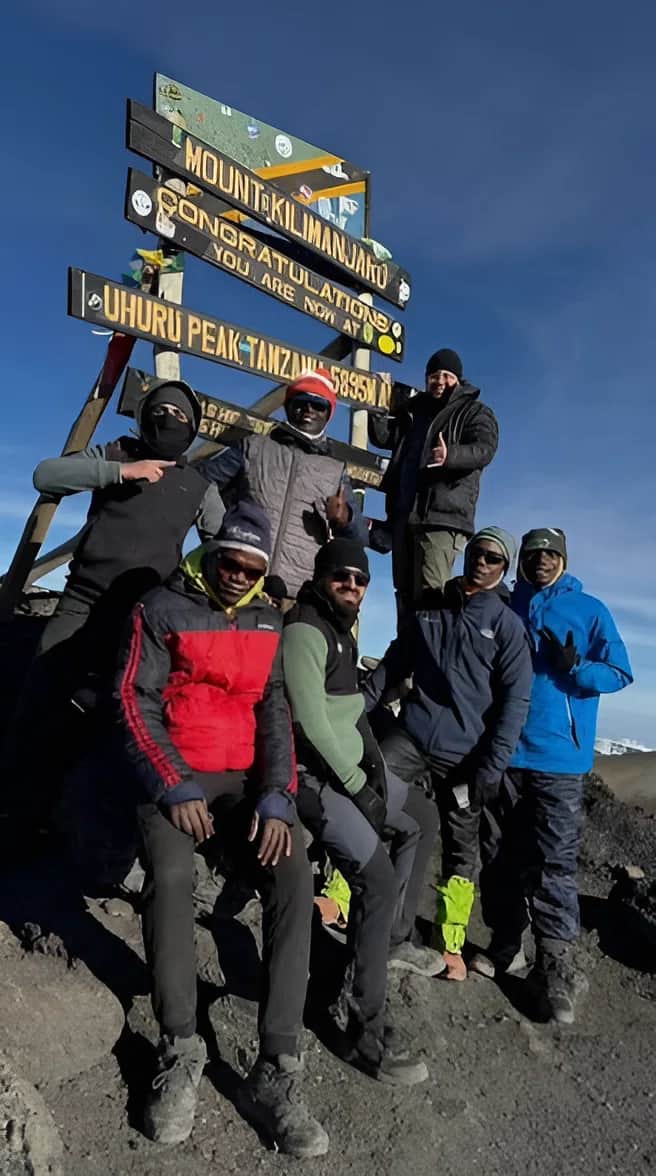
The summit attempt begins around midnight. The climb is steady and demanding, with frequent breaks to manage the altitude. After 5-6 hours, you will reach Gilman's Point on the crater rim. From here, you continue to Stella Point and finally to Uhuru Peak (5,895m), the highest point in Africa.
After celebrating at the summit, you descend back to Kibo Hut for a short rest before continuing down to Horombo Hut. The descent is long but becomes easier as you lose altitude. You will spend the night at Horombo Hut.
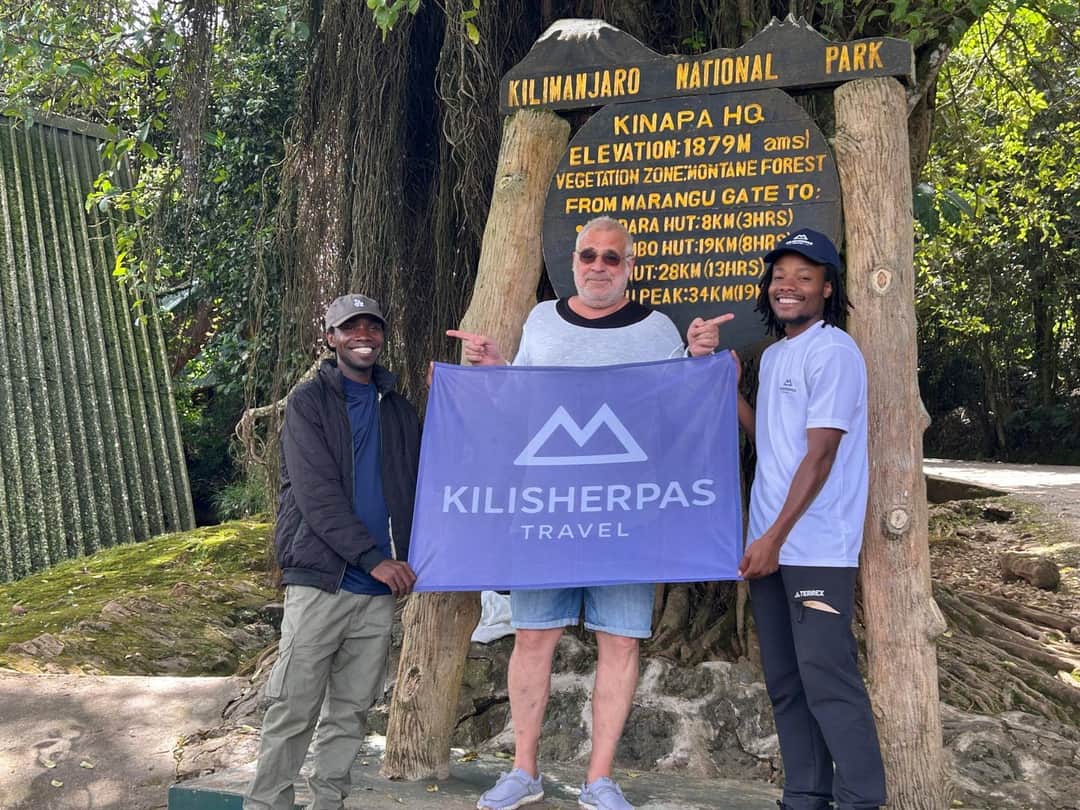
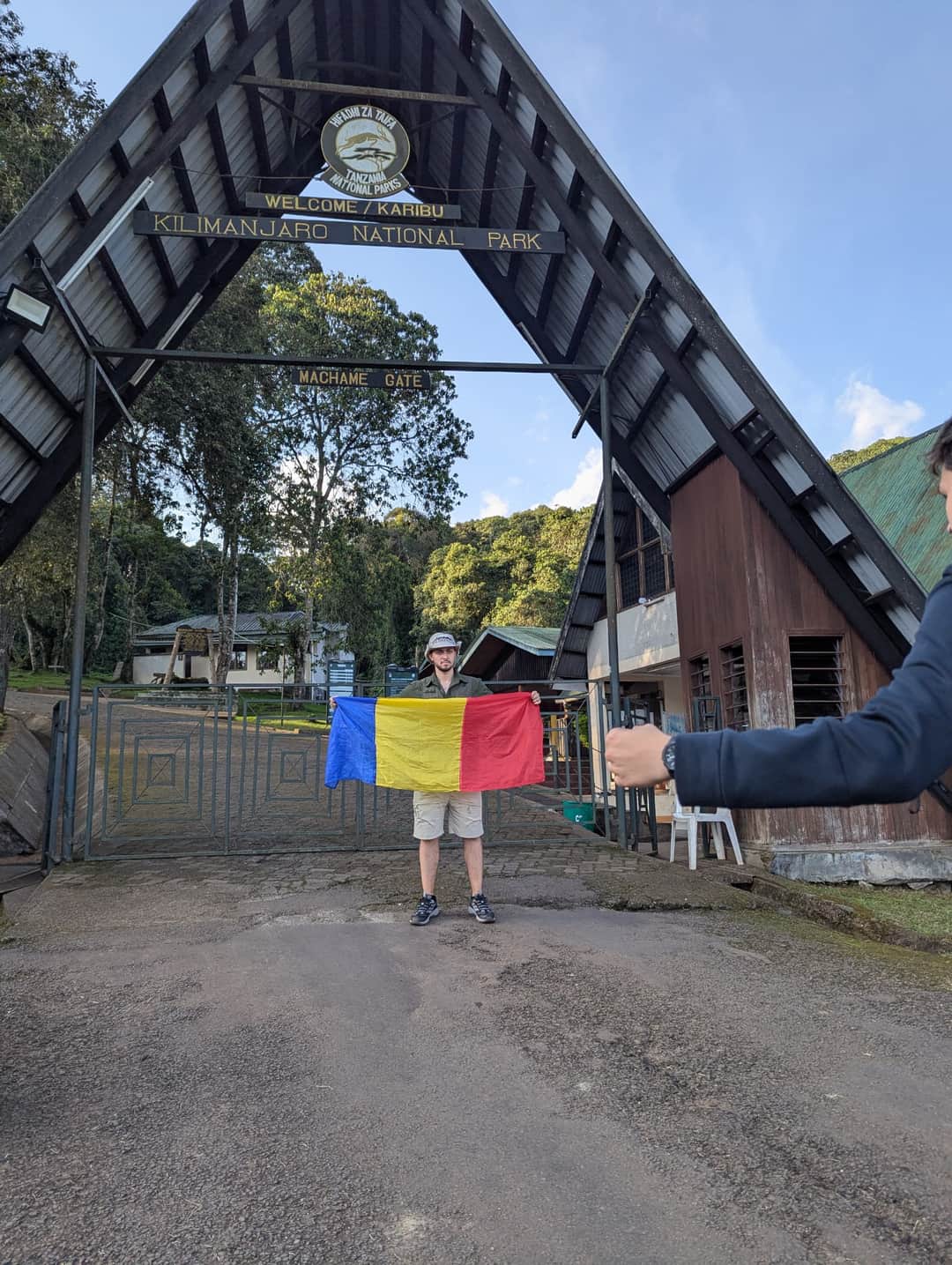
The final day involves a long descent through moorland and rainforest back to Marangu Gate. Upon arrival, you will receive your summit certificates before being transferred back to your hotel.
Starts in Arusha, Tanzania, ends in Arusha, Tanzania.
Tanzania
What's arranged for you to sleep and eat each night of the trip.
Tent
Tent
No accommodation
Tent
No accommodation