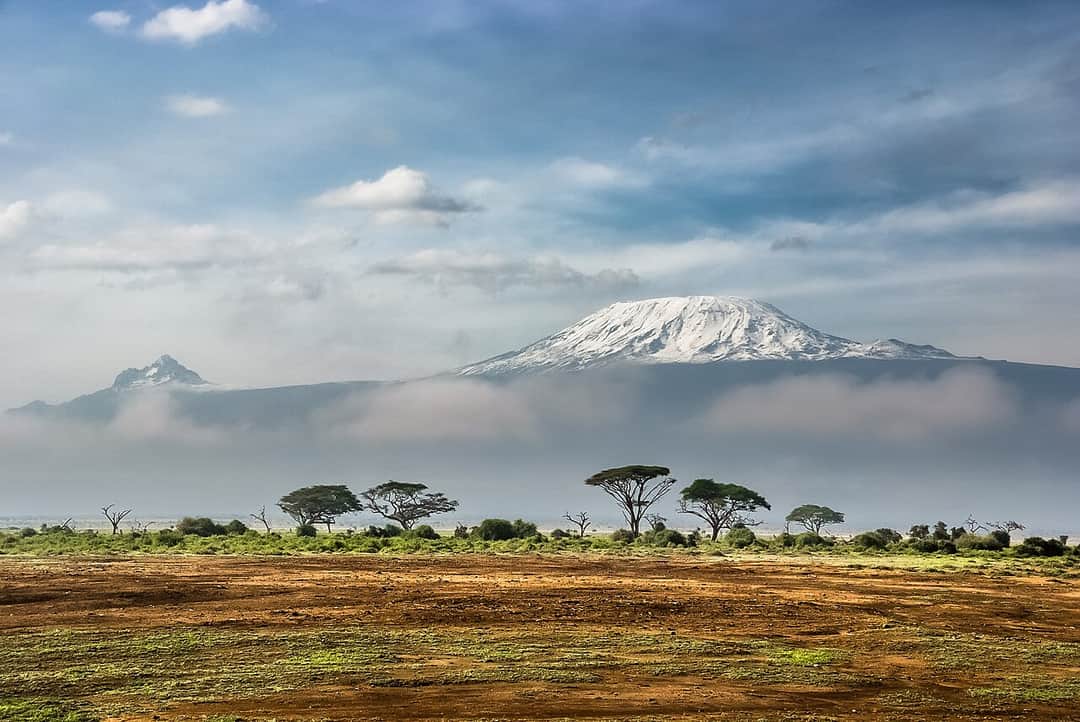
Cada año recibimos la misma pregunta de quienes van a subir por primera vez: ¿qué ruta del Kilimanjaro debería elegir? No hay una única respuesta correcta, pero sí hay una que se adapta a ti, según tu presupuesto, tu tolerancia al camping y cuánto valoras realmente tus posibilidades de llegar a la cima de Uhuru Peak.
Marangu es la única ruta que ofrece alojamiento en refugios en lugar de tiendas de campaña, lo que la hace atractiva si la idea de dormir en la montaña en un saco de dormir no te entusiasma. También se promociona como la ruta más fácil, y la pendiente durante los primeros días es realmente más suave. El detalle es que Marangu sube y baja por el mismo sendero, así que tendrás menos variedad de paisajes, y como el itinerario más común dura solo seis días, tu cuerpo tiene menos tiempo para aclimatarse. Por esta misma razón, las tasas de éxito en la cima suelen ser más bajas en Marangu que en rutas más largas.
Machame, conocida como la ruta Whiskey, es nuestra recomendación más popular para quienes buscan un buen equilibrio entre paisajes, coste y aclimatación. Siete días te llevan por cinco zonas ecológicas distintas, incluyendo la espectacular subida por Barranco Wall, y el clásico perfil de subir alto y dormir bajo en el Valle de Barranco le da a tu cuerpo una verdadera oportunidad de adaptarse. Cuesta más que Marangu por el día extra y la logística completa de acampada, pero para la mayoría, el aumento en la tasa de éxito en la cima lo compensa con creces.
Lemosho es la ruta que recomendamos a quienes se toman en serio alcanzar la cima y priorizan la tasa de éxito. Empieza en el lado oeste, mucho más tranquilo de la montaña, y dura ocho o nueve días en total, con la ganancia de altitud diaria más suave de todas las rutas habituales. Los días extra permiten que tu equipo ajuste el ritmo si alguien lo necesita. Es la opción más cara simplemente porque más días en la montaña significan más tasas del parque, más salarios para porteadores y más comida. Si tienes el presupuesto y los días de vacaciones, esta es la ruta que elegiríamos para nosotros mismos.
Nuestro consejo sincero: si este es un reto de tu lista de deseos que solo planeas intentar una vez, invierte el dinero extra en Lemosho o, como mínimo, en Machame. Marangu tiene sentido si el alojamiento en refugio es realmente más importante para ti que tus posibilidades de llegar a la cima, o si tu agenda no te permite más de seis días. Elijas la ruta que elijas, el mayor factor para tu éxito no es la ruta en sí, sino lo honesto que seas con tu entrenamiento previo y lo bien que sigas el ritmo que marque tu guía la noche de cumbre.