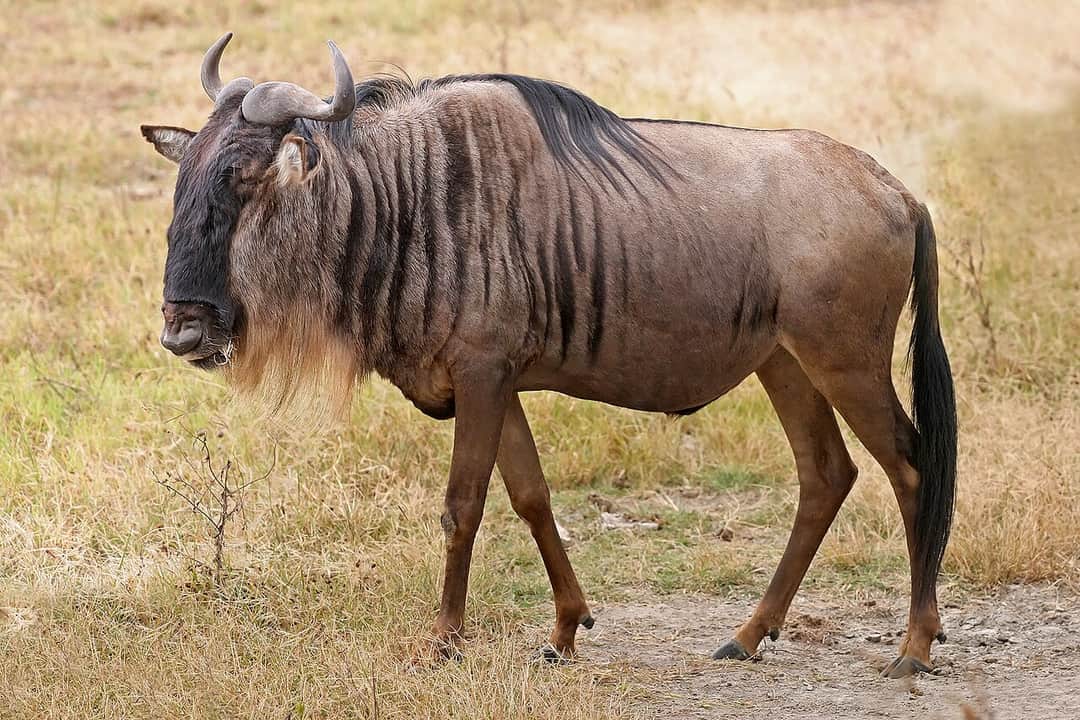
The single most common question we get from safari travelers is "when is migration season?" The honest answer is that the migration is happening every month of the year, it is a continuous circuit around the Serengeti-Mara ecosystem, and the more useful question is where the herds will be during your specific travel dates.
December through March, the herds spread across the short-grass plains of the southern Serengeti and the neighboring Ndutu area in the Ngorongoro Conservation Area. This is calving season: around 8,000 wildebeest calves are born per day at the peak in February, and the concentration of predators trailing the herds makes this one of the best predator-action windows of the year, even though it is technically the "green season" with more rain.
April and May are the long rains, and the herds begin moving north and west through the central Serengeti. Roads can be muddy and some camps close, but rates drop substantially and the parks are at their emptiest, which some photographers actually prefer.
June and July bring the herds into the western corridor, where the Grumeti River crossings begin. These crossings are smaller and less predictable than the famous Mara crossings, but also far less crowded with vehicles.
August through October is when most people picture the migration: the herds push into the northern Serengeti and cross the Mara River into Kenya's Maasai Mara, then cross back, sometimes multiple times, as they search for fresh grazing. This is peak season, peak crowds at the river crossing points, and peak prices, but it is also the most reliable window to witness an actual crossing.
November brings the short rains and the herds begin moving back south, closing the annual loop before calving season starts again.
If we are advising a first-time visitor with flexible dates, we usually recommend late June through early October for river crossing drama, or February for calving season and dramatically fewer other vehicles at each sighting. Either way, book your camps well in advance for these windows, since the good ones fill up nearly a year out.